





Introduction: The history and free access of museums in Saint Petersburg
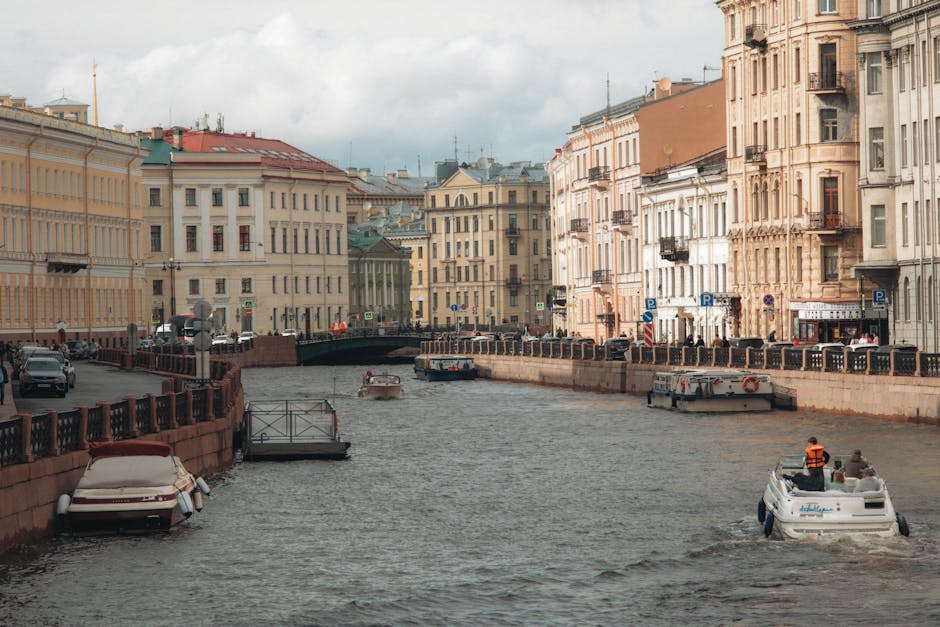
Saint Petersburg, founded in 1703 by Peter the Great, is an open-air museum city. Its palaces, canals and grand avenues house collections that tell the story of Russia and Europe across centuries. Yet beyond tickets and queues, a phenomenon catches the eye of curious travelers: many museums—or parts of museums—are accessible for free, sometimes permanently, sometimes only occasionally. Understanding this free access, which is far from being a mere commercial detail, means digging into cultural history, public policy and local practices. This article is a comprehensive, practical guide to explain why some museums in Saint Petersburg don’t require an admission ticket and how to make the most of these opportunities during your visit.
Museum free access follows several overlapping logics: imperial and Soviet legacies, the state’s educational mission, public and municipal funding structures, international cultural events, and contemporary tourism strategies. In the imperial era, access to heritage was largely reserved for elites; under the USSR, culture was meant to be accessible to the people, a principle that left traces in free or preferential pricing for certain groups (children, students, veterans). Today Russia combines federal subsidies, private sponsorship and ticket income: some institutions remain partially or completely free because they receive funds from the state, the city, or because they’re part of educational initiatives.
For the international visitor it’s essential to differentiate cases: “free museum” can mean permanent, ticketless access to the main collection, or free access reserved for specific groups (under 18s, students with a valid card, Russian pensioners, people with disabilities), or a temporary free admission linked to a date (International Museum Day, Night of Museums). There are also outdoor museum spaces—squares, fortresses, historic gardens—where access is free, even if some exhibitions or cathedrals on site charge entry fees.
In this guide we’ll examine the historical roots of this free access, outline the administrative categories of museums and the rules governing entry, give concrete examples of museums and their conditions (with addresses, opening hours and indicative prices in euros), describe the calendar of free days and offer practical tips to make the most of free access without unpleasant surprises. This guide is for anyone planning to explore Saint Petersburg knowledgeably: tourists, students, teachers and frequent travelers who want to understand how and why free access exists and how to plan their visit around it in Russia’s “northern window.”
1) Historical and political framework behind free museum access in Saint Petersburg
Free access to museums in Saint Petersburg is rooted in a long and complex history. Under the Russian Empire, major imperial collections—like the Hermitage (The State Hermitage Museum)—were initially private, then progressively opened to the public from the 19th century onward. The idea of a “national” culture being accessible strengthened in the 20th century with the Revolution and the Soviet era: museums became tools for education and social uplift, with pricing policies that favored popular education. This approach deeply influenced administrative and legal practices that still persist today.
After 1991 the economic transition transformed the funding of cultural institutions. Many museums had to develop their own revenue streams (ticket sales, gift shops, events) or seek private patrons. Nevertheless, the federal government and the municipal authorities of Saint Petersburg continue to heavily subsidize certain institutions deemed “heritage” or strategic. These subsidies sometimes allow free or reduced entry for specific groups. Thus, free access is not merely an ideological leftover but an active cultural policy based on contemporary budgetary choices.
Technically, free access can take several forms: permanent free admission (rare and carefully targeted), conditional free admission (for example for minors, students, educational staff, pensioners), event-based free admission (national/international days) or partial free access (outdoor areas, permanent collections free while temporary exhibitions are paid). In Saint Petersburg you’ll notice that major national institutions (The State Hermitage Museum, The State Russian Museum, Kunstkamera) often use a pricing structure that combines full fares for international tourists and exemptions for certain categories. That’s why it’s important to prepare your visit and know which documents are required (passport, student card, disability ID, proof of residency).
Finally, the international dimension matters: events like Night of Museums (usually late May) or International Museum Day (May 18) are widely promoted and encourage free entry or “pay what you want” approaches. These events, sometimes backed by the municipality, aim to broaden audiences, energize local cultural life and introduce lesser-known sites. They reflect a cultural policy that values public access to heritage. Understanding these historical and political basics will help you spot, on the ground, why one museum might be ticket-free at a given moment while another charges for entry.
2) Museum types and conditions for free entry: who is exempt and why
For a visitor, the key is to distinguish the museum’s administrative category and the rules that apply. In Saint Petersburg you’ll find federal museums (state-managed), regional/municipal museums (managed by the city or oblast), private museums and memorial houses. Each category sets its own pricing policy:
- Federal museums: often subsidized by the Russian state (e.g. The State Hermitage Museum, The State Russian Museum). They follow national rules for exemptions: frequent waivers for minors, students (sometimes only Russian students), military personnel and pensioners, while tourist fares may apply to foreign visitors. Temporary exhibitions usually remain ticketed.
- Regional and municipal museums: funded by the city of Saint Petersburg (e.g. some small house museums, local museums). These sites sometimes offer free access to permanent collections to encourage local attendance or during municipal events.
- Private museums: full freedom to set prices; some opt for free admission as an attraction strategy (experimental shows, independent spaces). Funding comes from patrons, sponsors and side activities.
- Memorial museums and writers’ houses: typically modest entry fees, but frequent exemptions for teachers, researchers or certain local social categories.
Here are the most common types of exemptions you’ll encounter at the entrance:
- Children and teenagers: access is regularly free for under 16–18s (carry ID as proof).
- Students: free or reduced admission for national students with a valid card; for foreign students, an international student card (ISIC) may sometimes be accepted.
- People with disabilities, veterans, former combatants: supporting documents are required to qualify for free entry.
- Educational staff and researchers: frequent exemptions for teachers and scholars upon presentation of professional ID.
- Special days: International Museum Day (May 18), Night of Museums (spring cultural night) — free entry or open access, sometimes requiring registration.
In practice, the application of these rules varies by museum: some institutions require that you reserve a time slot even for free admission, while others offer broad walk-in access without reservation. Major museums (for example The State Hermitage Museum, The State Russian Museum, The Peter and Paul Fortress) publish their rules on official sites in both English and Russian; it’s wise to check current conditions before you go. Also note that language can be an administrative barrier: have paper or digital copies of your ID, student card or a brief translated note ready to make it easier for staff to verify exemptions.
3) Concrete examples: museums, addresses, approximate prices in euros and opening hours
To make this concrete, here’s a selection of popular and lesser-known museums in Saint Petersburg, with exact addresses, typical opening hours and indicative prices in euros. Prices can change with the season and institutional policy: treat them as rough guides and always check the official website before visiting.
-
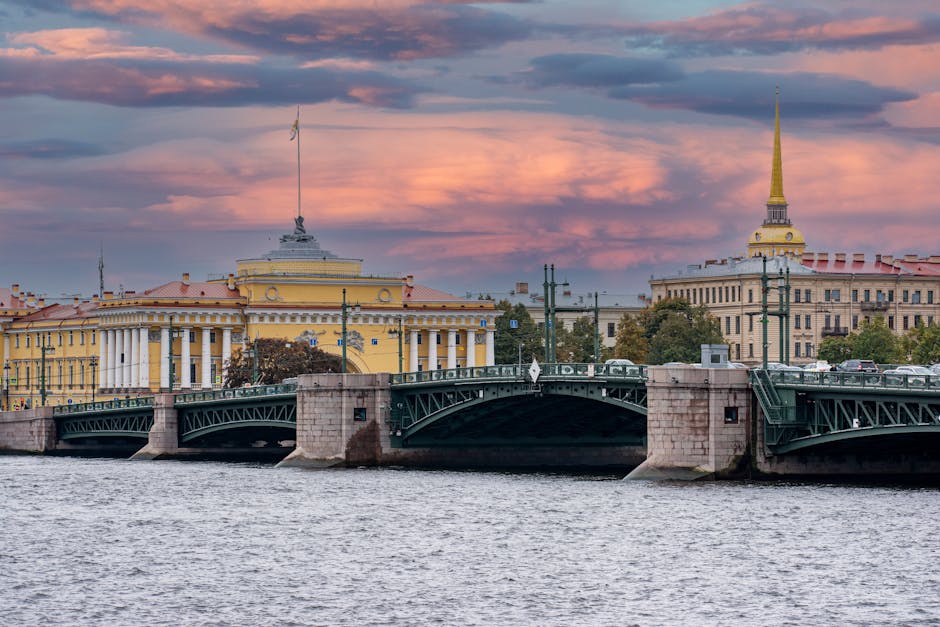
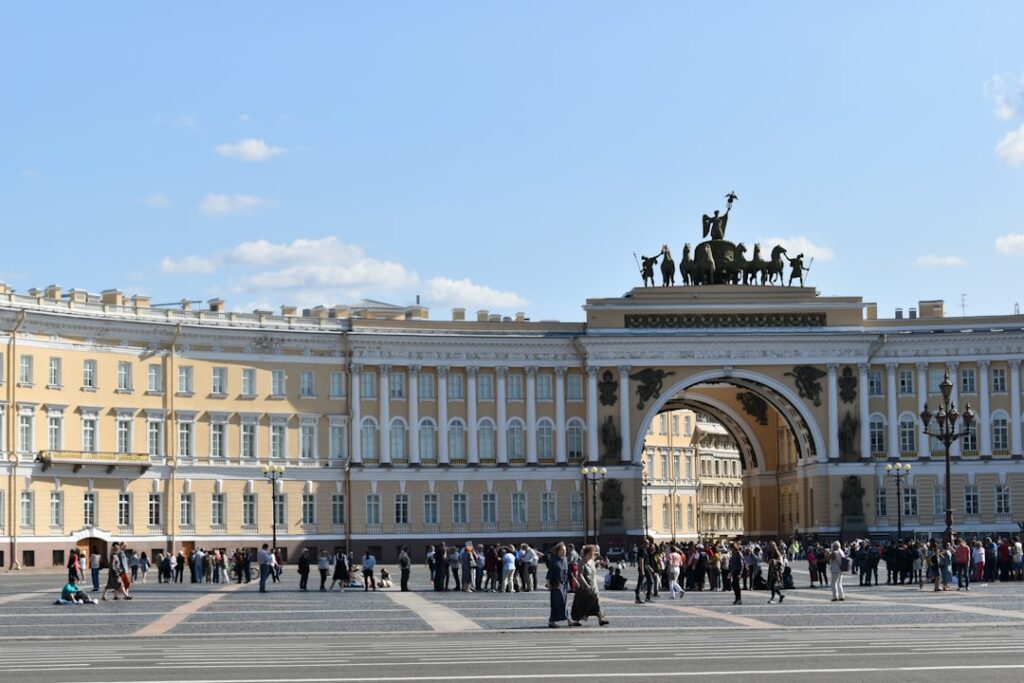
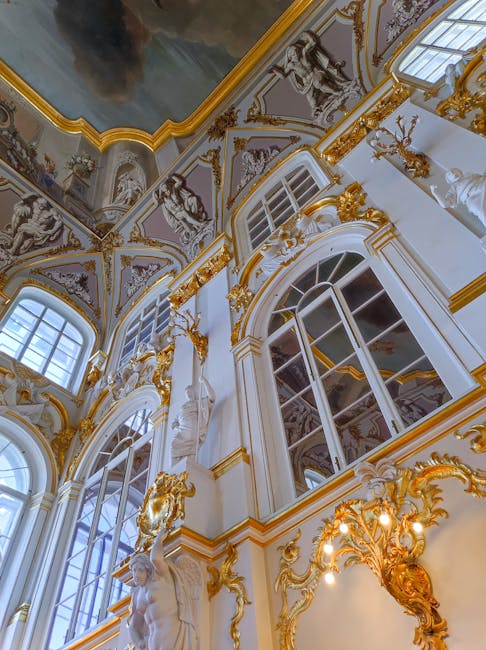
The State Hermitage Museum (The State Hermitage)
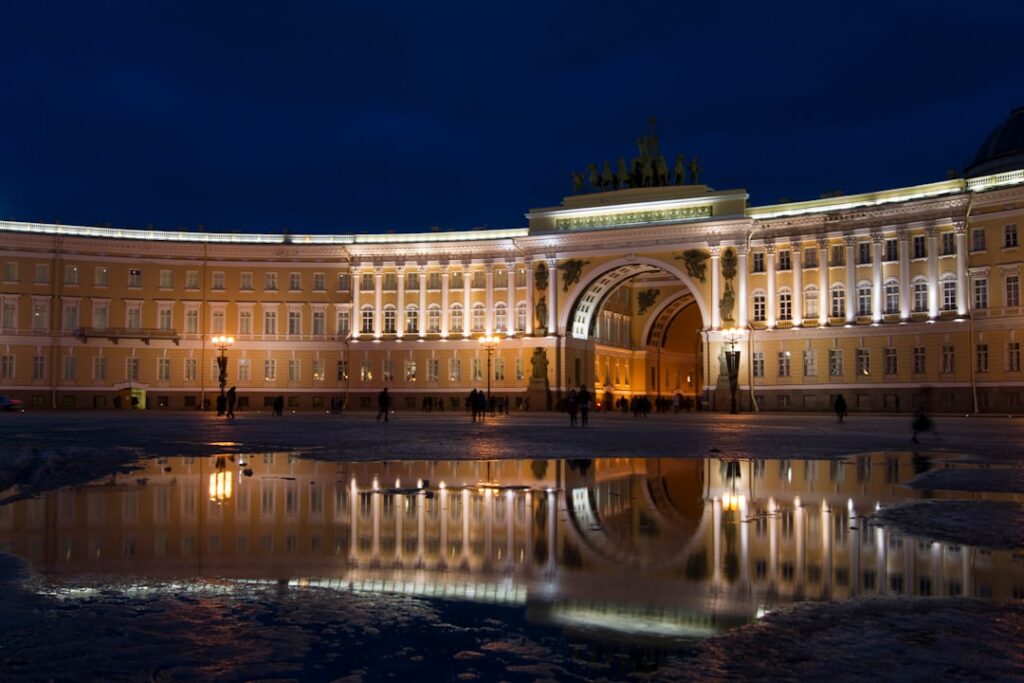
Address: Palace Square, 2, Saint Petersburg 190000, Russia.
Hours: Tuesday, Wednesday, Friday, Saturday, Sunday 10:30–18:00; Thursday 10:30–21:00; closed Monday. (Hours may vary in high season.)
Price: standard ticket for the main collection approx. €15–20. Frequent free admission for children and adolescents (<18) and for certain national categories; temporary exhibitions charged separately. Online booking recommended in high season.
Description: Housed in the Winter Palace and adjoining imperial buildings, the collection spans paintings, antiquities and decorative arts. Free access can be limited to certain wings or reserved for specific dates. -
The State Russian Museum (Russian Museum, Mikhailovsky Palace)
Address: Inzhenernaya Ulitsa, 4, Saint Petersburg 191186, Russia (Mikhailovsky Palace and annexes).
Hours: generally 10:00–18:00; closed Tuesday; evening openings on some days. Check the site for each venue.
Price: standard ticket approx. €8–12. Free or reduced fares for youth and local social categories. Some smaller municipal branches offer free or symbolic entry.
Description: the world’s largest collection of Russian art, from the 12th century to contemporary works; annex museums cover thematic topics with varying pricing policies. -
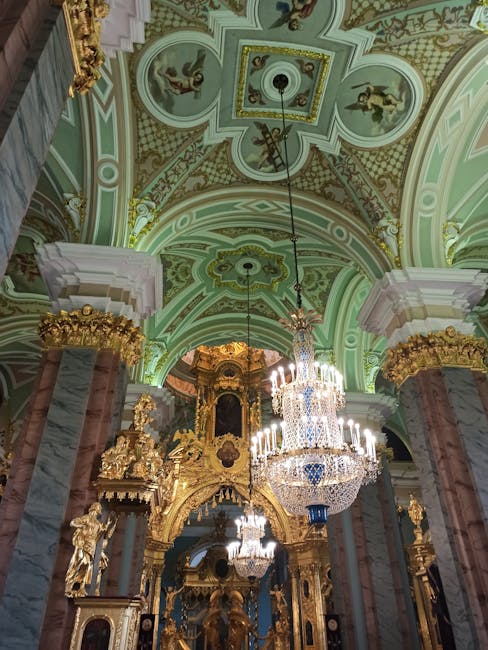
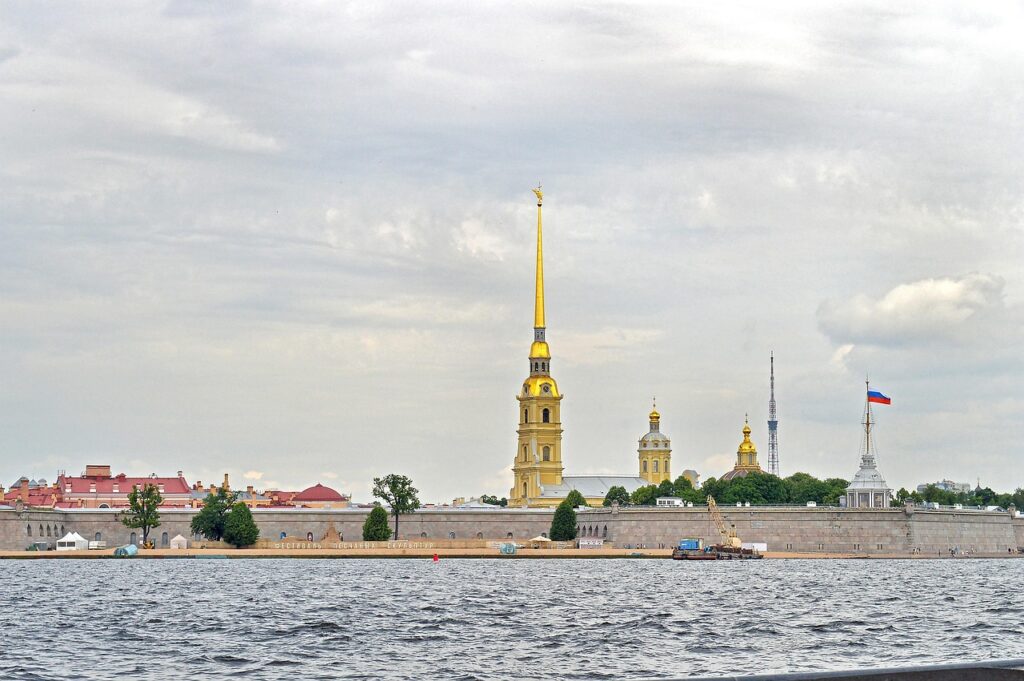
Peter and Paul Fortress (Petropavlovskaya Krepost)
Address: Petropavlovskaya Fortress, Peter and Paul Island, Saint Petersburg 197046, Russia.
Hours: grounds are accessible during daylight, some areas 24/7; museums and cathedral approx. 9:30–19:00.
Price: admission to buildings (Peter and Paul Cathedral Museum) approx. €6–9; walks on the ramparts and the island are generally free.
Description: the city’s birthplace, the fortress combines free outdoor spaces with ticketed monuments; plan according to what you want to see. -
State Museum of the History of St. Petersburg (Museum of the History of St. Petersburg)
Address: Dvortsovaya Naberezhnaya, 34–36 / 1, Saint Petersburg 191023, Russia (various sites).
Hours: vary by branch; many sites open 10:00–18:00.
Price: often very modest fees, €2–8; some municipal exhibitions and local branches may be free on certain days.
Description: a dispersed set of exhibitions tracing the founding and development of Saint Petersburg; sometimes offers free guided tours during events. -
Anna Akhmatova Museum at the Fountain House (Anna Akhmatova Museum)
Address: Liteyny Prospekt, 53/2, Saint Petersburg 191014, Russia.
Hours: typically 11:00–18:00, closed Monday; check for literary events.
Price: admission approx. €4–6; student reductions and occasional free evenings during cultural events.
Description: a house-museum dedicated to poet Anna Akhmatova, intimate atmosphere with occasional bilingual displays. -
Fabergé Museum (Shuvalov Palace)
Address: 21, Naberezhnaya Reki Fontanki, Saint Petersburg 191023, Russia (Shuvalov Palace).
Hours: often 10:00–18:00; closed some days.
Price: standard ticket approx. €12–18; rare free admission but possible during partner events.
Description: famous for Fabergé eggs and imperial goldsmithing; usually ticketed but runs occasional free educational programs.
Practical note: euro prices are indicative conversions; ticket sales are often in Russian roubles and may offer different rates for Russian residents and foreign visitors. Always carry your passport: it will be requested to apply certain discounts. For small house museums and local sites, free admission may be offered the day of your visit for certain groups or during local events; check the official site or entrance notices.
4) Free days, special events and strategies to visit without paying
Temporary free access is one of the most effective ways to explore Saint Petersburg without paying every time. Several days and events offer free or heavily reduced entry:
- International Museum Day (May 18): most national and municipal museums participate, often with free admission or special events. Expect queues and the need to book time slots online.
- Night of Museums (May/June): a night-time event when museums and galleries open late; access may be free or limited on a first-come basis. It’s an excellent chance for unusual visits.
- Municipal festivals and heritage days: the city sometimes runs open-door programs in heritage ensembles (palaces, historic houses); check the municipal calendar.
- Education-focused days: schools and universities may organize free visits for students, often coordinated with museums.
Practical strategy to benefit:
- Check official museum sites (or their Facebook/Instagram pages) at least two weeks before key dates.
- Subscribe to newsletters of major institutions (Hermitage, Russian Museum)—they often announce free days and booking details.
- Anticipate demand: for free days, online booking or ticket distribution can fill up fast; arrive early if on-site access is required.
- Bring required documents (passport, international student card ISIC, disability ID, military card where relevant) to claim exemptions.
- Make the most of free outdoor spaces: walks along the Neva, the ramparts of the Peter and Paul Fortress, and public gardens deliver heritage experiences without a ticket.
In short, planning around these days is often the key to an affordable and culturally rich stay. Be prepared to skip certain highlights if lines are long; major institutions sometimes prioritize paid entry and guided tours for ticket holders.
5) Practical local tips to enjoy free access safely
Visiting Saint Petersburg while maximizing free access requires a few practical habits. Here are local tips tried by travelers and city guides:
- Check hours and book: even for free entry, some museums require a timed reservation to manage visitor flow. Book online when possible.
- Bring official documents: passport for foreigners, ISIC student card, disability ID, proof of local residency if relevant. Without proof, staff will apply the standard fee.
- Arrive early: free spaces and free days attract crowds; arriving at opening time reduces waiting and gives you the best rooms.
- Know the difference between permanent and temporary displays: free access often covers the permanent collection while temporary exhibitions remain ticketed. Prioritize accordingly.
- Use local guides: independent guides sometimes offer free (tips-based) or low-cost tours that include historical commentary, even for free museums.
- Carry local currency: some donations or ancillary services (cloakroom, audio guides) are paid in roubles; have some cash and an international bank card.
- Respect photo rules: free entry doesn’t mean unrestricted photography; some rooms ban photos or require a paid photography permit.
An essential tip: always have a plan B. If a major exhibition is ticketed and the line is long, explore nearby free museums or public heritage spaces. For example, after seeing the Hermitage’s exterior, stroll along the Neva, visit small municipal galleries that are free, or buy a ticket for a particular church rather than a large expensive museum—the architectural experience and Petersburg’s atmosphere often make up for missing certain works.
Conclusion: Between history, policy and tourism — free access as an opportunity
The presence of free or partially free museums in Saint Petersburg stems from a weave of historical legacies, contemporary policy choices and cultural strategies. Free admission rarely means a lack of funding: it reflects priorities—education, accessibility, cultural outreach—and depends on public subsidies, patrons and special events. For the visitor, understanding these mechanisms helps optimize a trip: knowing when to go, which IDs to carry, which days to target and what alternatives to choose in case of crowds is essential to a smooth cultural experience.
Practically, plan ahead: check official institution websites (The State Hermitage Museum — Palace Square, 2; The State Russian Museum — Inzhenernaya Ulitsa, 4; Peter and Paul Fortress — Peter and Paul Island, etc.), anticipate free days (International Museum Day, Night of Museums), book when offered and prepare your supporting documents to benefit from exemptions. Also take advantage of municipal museums and small writers’ houses: often cheaper, sometimes free, they provide an intimate, authentic view into the city’s soul. Above all, stay curious: Saint Petersburg is as much about its grand galleries as about its streets, quays and small free museums where local cultural life shows itself without frills.
Whether you’re traveling on a tight budget or are a seasoned art lover, museum free access in Saint Petersburg is an opportunity to deepen your understanding of Russian culture and to experience the city like a local. By doing your research, following the rules and taking part in events, you’ll leave with lasting memories—sometimes at the most pleasant price of all: zero euros. Safe travels and enjoy discovering the Venice of the North.