





Introduction: Why You Should Know Saint Petersburg’s Free Museum Days
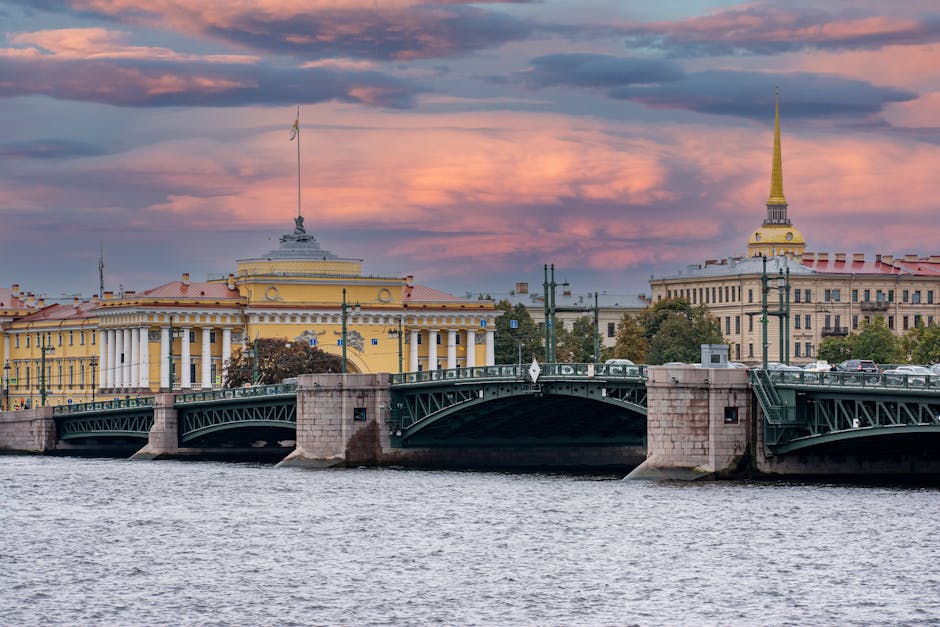
Saint Petersburg is an open-air museum city: imperial palaces, world-class art collections, science and ethnography museums, and memorial sites line its canals and grand avenues. For curious travelers or locals wanting to dig deeper, knowing the calendar of free-entry days is a real advantage. Not only does it save money—handy on longer stays—but it also opens the door to lesser-known venues, temporary exhibitions, or specialized museums you might otherwise hesitate to try.
In this guide we cover the specifics for Saint Petersburg: which museums offer open days, how those free days are organized (daily, weekly, monthly or yearly), and the practical rules to take advantage of them—advance booking, visitor limits, time slots reserved for residents, and so on. You’ll find practical, detailed information here: full institution names, exact addresses, typical prices converted to euros (estimates based on ruble rates for a European readership), usual opening hours, immersive descriptions of the collections, and local tips to optimize your visit on free days.
Important: free-entry policies can change with the season, temporary exhibitions or administrative decisions. Many institutions join national events like Museum Night (May), International Museum Day (May 18) or municipal “free days” aimed at residents. This guide tries to summarize recurring patterns and known free dates, but you should always check the museum’s official website before you go. You’ll also find concrete tips: when to arrive to avoid queues, how to reserve a free ticket online, which ID you need to claim free entry (student card, local residence permit), and advice on combining multiple visits in one day.
Finally, this isn’t just a dry list: each entry includes an immersive description of the venue—room atmosphere, must-see pieces, and the best way to experience the visit on a free day. With this information you’ll be ready to plan a rich cultural itinerary tailored to your interests, whether you love classical art, imperial history, popular culture, or quirky museum experiences.
1) The State Hermitage Complex: Access, Free Days and Practical Tips
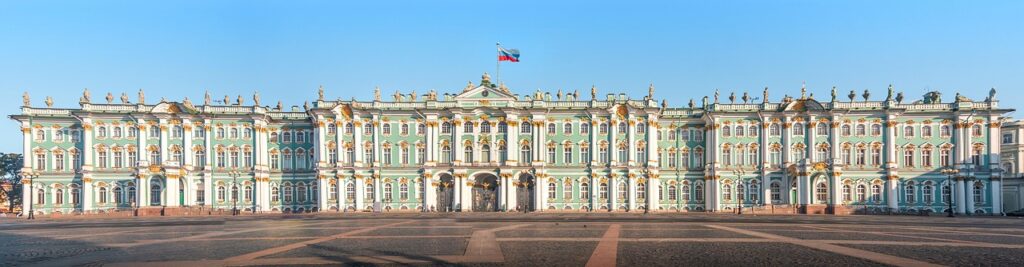
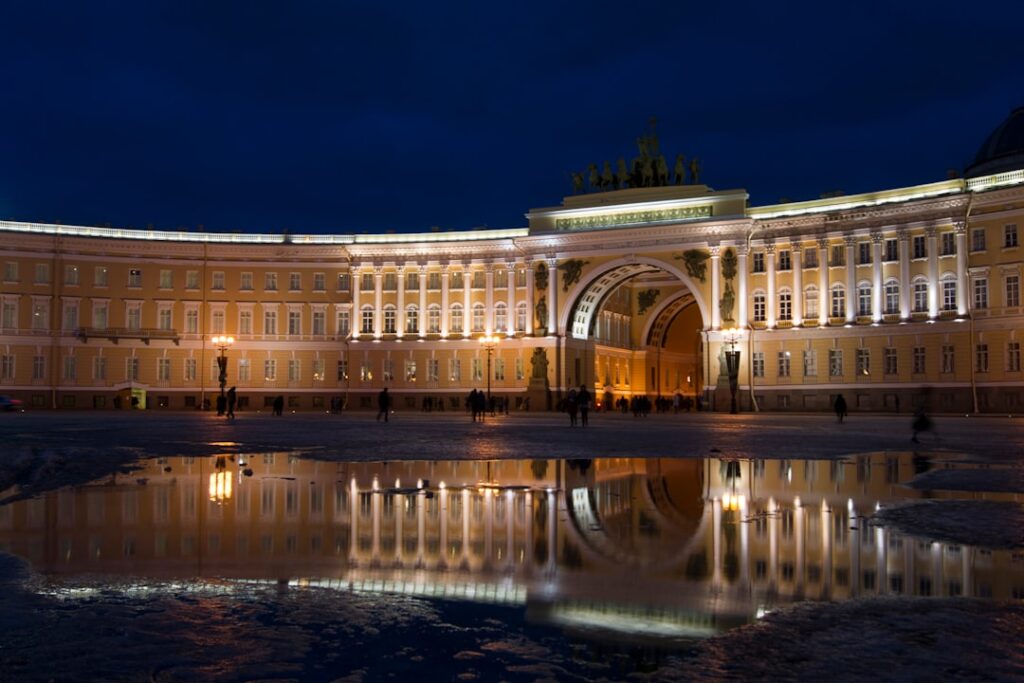
The State Hermitage Museum is one of the world’s largest art and antiquities museums. Address: Winter Palace, Palace Square, 2 (Dvortsovaya ploshchad, 2), Saint Petersburg 190000. Typical hours: Tuesday, Thursday, Saturday and Sunday 10:30–18:00; Wednesday and Friday 10:30–21:00; closed Monday. Approximate prices: general admission around €12–15 (roughly 1200–1400 RUB depending on exchange rates); guided tours and special exhibitions may cost more. The museum traditionally offers free-entry days for specific groups and during national cultural events (e.g. International Museum Day on May 18, Museum Night in May). There are also discounts for international students and Russian residents; rules change frequently, so check the official website for exact free-day dates.
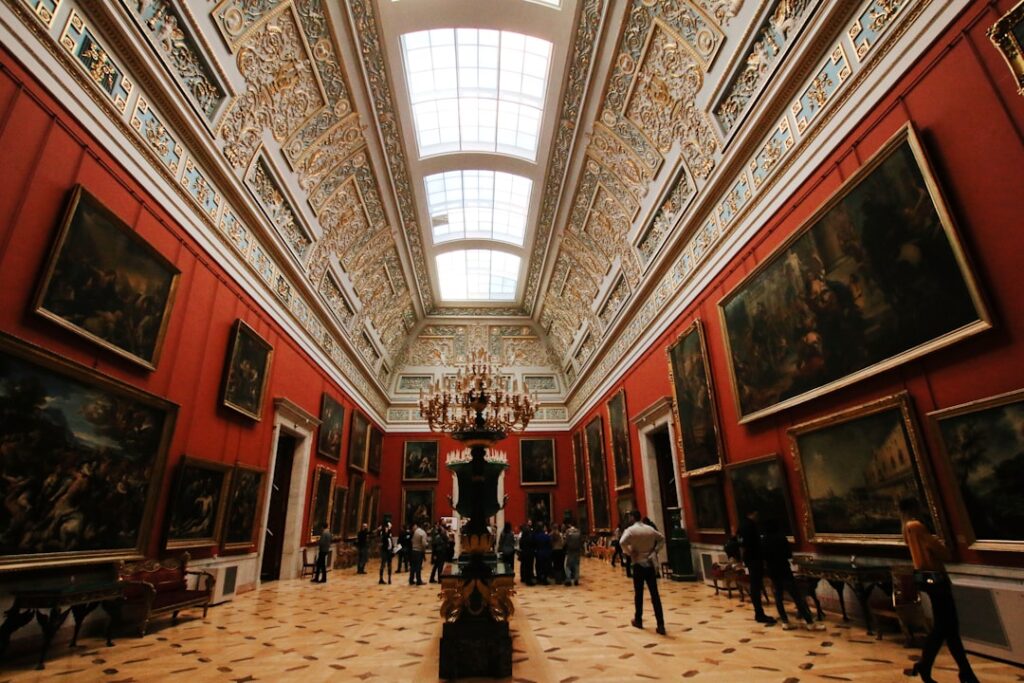
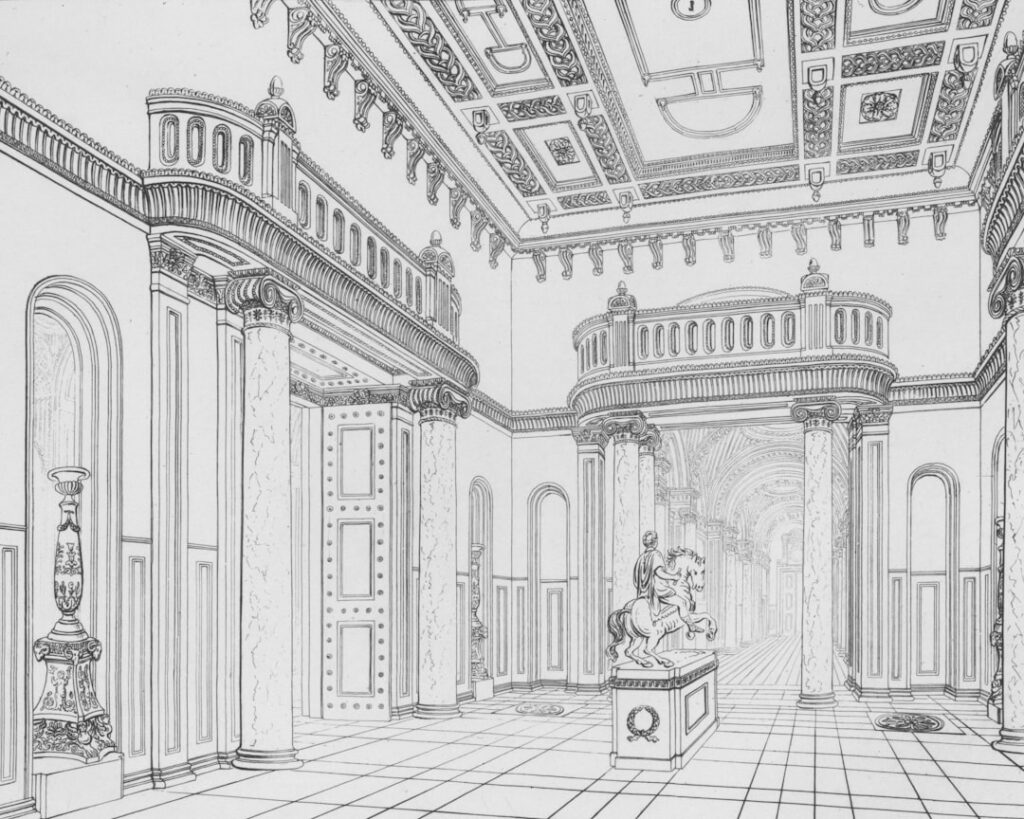
Immersive description: stepping between the columns of the Winter Palace is stepping into imperial opulence—gilded ceilings, vast state rooms, and a sweep of European masterworks (Rembrandt, Leonardo, Titian) flowing into Oriental treasures and antiquities. On a free day, mornings are often the busiest; highlight rooms such as the Old Masters Halls and Picture Gallery are more lively. If you have a non-dated free ticket, arrive early (or at opening) and expect longer security checks. Local tip: start with the lesser-visited sections (numismatics, applied arts, Eastern collections) and return to the masterpieces in the late afternoon.
Practical tips for free days:
- Book online if possible: even free tickets sometimes require a timed reservation.
- Bring ID if you’re eligible for a discount; some free admissions are reserved for Russian citizens or students with a valid card.
- Allow 3–4 hours for a selective visit; for a full tour, plan two days.
- If lines are too long, start in the Small Hermitage wing for a more intimate experience.
2) The State Russian Museum, Major State Museums and Their Free-Entry Policies
The State Russian Museum houses the world’s largest collection of Russian art. Address: Inzhenernaya Ulitsa, 4 (Inzhenernaya ul., 4), Saint Petersburg 191186. Typical hours: open daily except Wednesday, 10:00–18:00, with occasional evening hours (check seasonally). Approximate prices: full ticket around €8–10 (800–1000 RUB). The city’s major institutions—the Hermitage, the State Russian Museum, the Fabergé Museum, the Kunstkamera (Museum of Anthropology and Ethnography), the Museum of Russian Modern Architecture—sometimes take part in recurring free days (for example during the first week of May or Museum Night).
Immersive description: the State Russian Museum tells the story of Russian art chronologically, from medieval icons to Soviet avant-garde and contemporary realism. The rooms with decorative moldings, icon portraits and sweeping historical compositions create a continuous narrative of Russian identity. On a free day, crowds gather especially around the icon collections and works by key figures like Repin, Shishkin and Malevich. Tip: if you have a specific interest (icons, Soviet art, the avant-garde), check where those galleries are and focus on one or two sections to fully absorb the works.
Practical tips:
- State museums may offer free entry to teachers, retirees, children and local students—bring the required documents.
- At the State Russian Museum, take an audio guide if available; it makes the chronological story much clearer, especially during busy periods.
- Getting there: many museums are near Sadovaya, Gostiny Dvor or Admiralteyskaya metro stations—plan your routes to save time.
3) Heritage Museums and Palaces: Yusupov, Peter and Paul, and Lesser-Known Palaces
Saint Petersburg is full of palaces converted into museums, often independently managed and sometimes offering occasional free slots. Notable examples include:
- Yusupov Palace — Address: Moika River Embankment, 94 (Moika nab., 94), Saint Petersburg 191186. Hours: generally 10:30–18:00, closed certain days; approximate prices €8–12 (800–1200 RUB). The palace is famous for Rasputin’s assassination and its period salons decorated with stucco and frescoes. Some municipal initiatives offer days when local residents can enter free—often tied to cultural events.
- Peter and Paul Fortress — Address: Petropavlovskaya Fortress, Zayachy Island (Zayachy ostrov), Saint Petersburg 197046. The complex includes the Saints Peter and Paul Cathedral, the Fortress History Museum and other exhibitions. Hours: 10:00–18:00 depending on the season; combined ticket about €6–10 (600–1000 RUB). On certain commemorative days, the fortress may be open free to the public.
- The Fabergé Museum — Address: Shuvalov Palace, 21, typically listed as 21, Naberezhnaya Reki Fontanki (check the official site). Hours: 10:00–18:00; approximate admission €9–14 (900–1400 RUB). The Fabergé sometimes offers free days or reduced rates during special events.
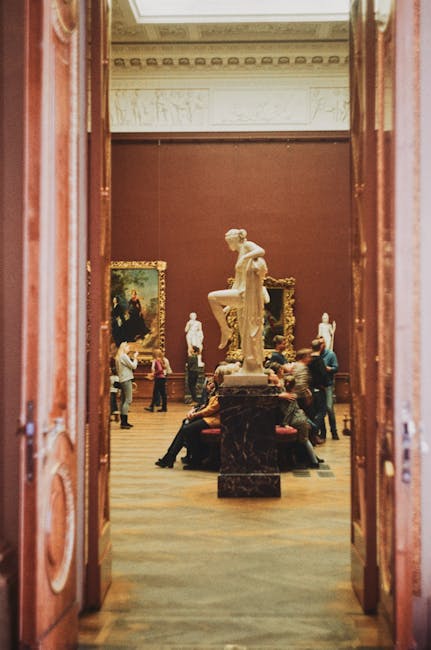
Immersive description: these palaces immerse you in aristocratic life, with paneled salons, silk wall coverings, period furniture and intimate personal histories—each room evokes a historical scene. For example, a free visit to Yusupov Palace puts you at the center of the Rasputin drama, with the private crypt and small theater stirring the imagination. The Fortress offers sweeping views over the Neva and military and historical exhibits that bring the city’s founding by Peter the Great to life.
Local tips:
- For palace visits, check whether guided tours included in the free day need reservations—group sizes are often limited.
- If the site states “free admission for residents,” bring proof of residence or a local ID card.
- Pair a free palace visit with a stroll along the Neva embankment to make the most of the setting.
4) Science, Ethnographic and Curiosity Cabinets: Free Access and Themed Visits
Beyond the big art museums, Saint Petersburg has a rich range of science and ethnographic museums that are often underrated but fascinating—and sometimes free: the Kunstkamera (Peter the Great Museum of Anthropology and Ethnography), the Museum of Science and Technology, the Zoological Museum, and the Naval Museum. Practical details:
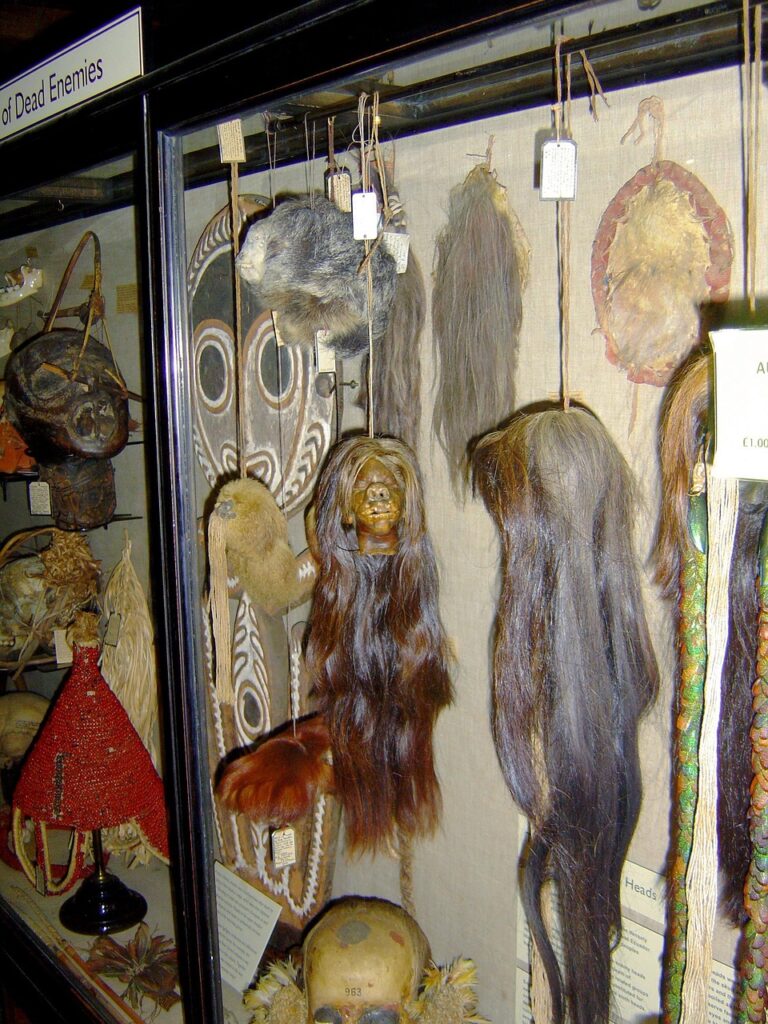
- Kunstkamera (Peter the Great Museum of Anthropology and Ethnography) — Address: Universitetskaya Naberezhnaya, 3 (Universitetskaya nab., 3), Saint Petersburg 199034. Hours: 10:00–18:00, closed Monday; approximate prices €4–7 (400–700 RUB). Collections: global ethnography, historic anatomical curiosities and items collected by Peter the Great. The Kunstkamera frequently runs free educational programs for families and school groups—look for “free kids” or “school day” events.
- Zoological Museum of the Academy of Sciences — Address: Universitetskaya Embankment, 1 (Universitetskaya nab., 1). Admission: around €3–6 (300–600 RUB). The museum displays exotic specimens, skeletons and vintage dioramas; it sometimes opens free during local science events.
- Central Naval Museum — Address: Admiralteysky Prospekt, 10 (Admiralteysky pr., 10). Admission: €5–9 (500–900 RUB). The museum occasionally offers free entry on July 30 (Navy Day) and during other maritime commemorations.
Immersive description: these museums are often intimate but packed with tactile objects—skeletons, scientific instruments, models, costumes and ritual items. A free day at the Kunstkamera, for instance, lets you wander dimly lit rooms with old display cases that make you feel as if you’re traveling through time and across cultures. The Naval Museum, with ship models, cannons and uniforms, is a must for military and maritime history buffs.
Practical tips:
- Think family-friendly: many free days target families and schools—great for parents on longer trips.
- Check opening hours for temporary galleries: science museums sometimes close certain sections for renovation while opening others for free access.
- Bring a guidebook or use an object-recognition app to enrich the visit—these museums are educational and reward a slower pace.
5) Annual Calendars and Special Events: Museum Night, International Museum Day and Municipal Initiatives
Beyond one-off free days set by individual museums, several annual events open up many venues at once. Two must-attend dates:
- Museum Night (International Museum Night) — usually held in May: many museums open free or at a symbolic price with special programming (performances, guided tours, night workshops). It’s festive but extremely busy; arrive early and prioritize your top three.
- International Museum Day (May 18) — often accompanied by free entry, talks and free guided tours. Major museums and many public institutions take part.
Municipal calendar: the Saint Petersburg city hall often publishes a calendar of free-admission days aimed at residents (for example, free access on certain weekdays for local citizens). University and neighborhood museums may also offer “first Thursday” or “first Sunday” free days. Policies change year to year; for every event check the museum’s official site and register if required.
Practical tips for these events:
- Plan ahead: set priorities and reserve free time slots as soon as registration opens.
- Transport: favor the metro and walking; stations close to major museums include Admiralteyskaya, Nevsky Prospekt, Gostiny Dvor and Mayakovskaya.
- Combined routes: pair nearby museums (e.g. Hermitage + Small Hermitage + Hermitage’s military museum) to get the most out of a free day.
Conclusion: Smart Planning to Make the Most of Free Museum Days in Saint Petersburg
Knowing Saint Petersburg’s free museum days is a valuable travel skill. Benefits are many: financial savings, access to prestigious collections without a budget strain, chances to explore specialist museums, and better integration into local cultural life. To make the most of these days you’ll need to prepare: always check museums’ official sites, book a time slot if required, bring the requested documentation (student card, resident ID), and accept that visitor numbers will be higher—especially during Museum Night and International Museum Day.
Practically, aim for early arrivals, visit on weekdays when possible, and balance a big museum with a neighborhood museum to manage crowds while enjoying diverse collections. Use public transport—the metro is efficient and links most major museums—and schedule breaks: a café or a walk along the Neva can turn a long museum day into a much more pleasant experience. Finally, stay flexible: free policies evolve, exhibitions open and close, and special initiatives appear each year. For every museum mentioned in this guide (State Hermitage Museum, State Russian Museum, Kunstkamera, Peter and Paul Fortress, Yusupov Palace, Fabergé Museum and others), check the official site before you go and subscribe to local newsletters for announcements about free days or special events.
All in all, Saint Petersburg offers a cultural kaleidoscope where occasional free entry makes exploration accessible to everyone. With good organization and a few practical tricks, you can see the major masterpieces, dig into more confidential collections, and experience the city from unforgettable historical and artistic angles. Enjoy your visit—and remember: check, book, arrive early and take the time to savor each room.