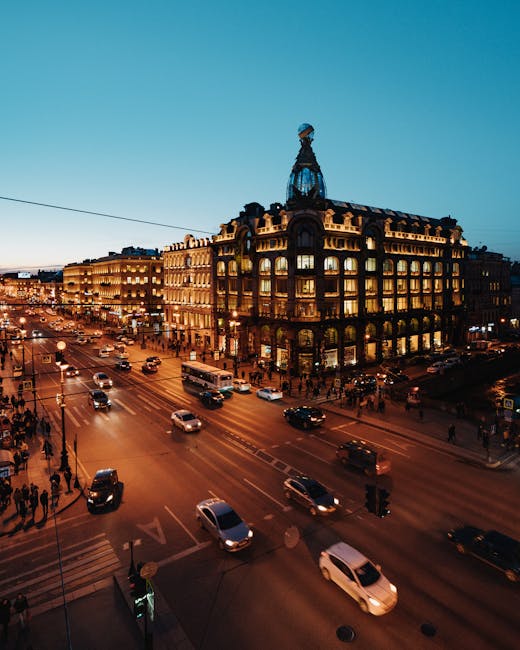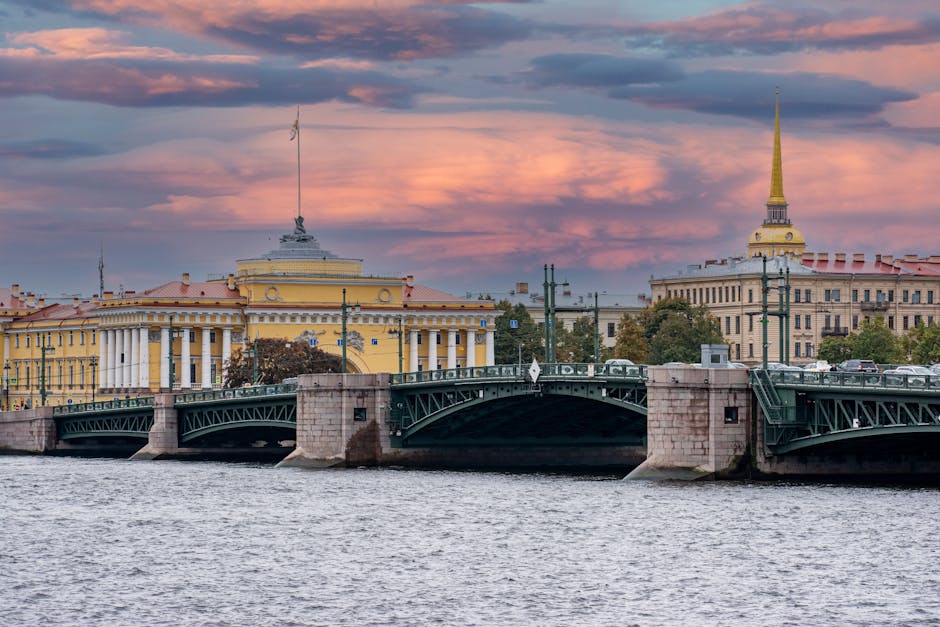






Introduction — Free museums in St. Petersburg: must-see picks
St. Petersburg is basically an open-air museum, packed with world-class cultural institutions. From imperial palaces to writers’ house-museums and contemporary art spaces, you can build a rich itinerary without breaking the bank. The word “free” can be tricky here — many free entries depend on age, status (student, teacher, resident of the Eurasian Economic Union, etc.), special days or temporary programming — so this guide focuses on options that are genuinely accessible at no cost to broad audiences and on the typical conditions for free entry. My aim is simple: to give you a clear, practical and immersive overview of places where you can enjoy culture for 0 €, with addresses, usual hours, on-the-ground tips and a feel for the atmosphere so you can plan your visits.
In this guide you’ll find municipal and national museums offering free time slots or free categories (children, students with a valid card, teachers, retirees in some cases), monuments where access to courtyards or outdoor exhibitions is free, and small community-run venues that, as part of their educational mission, open certain permanent displays without charge. For each place I list the exact address, typical opening hours (watch for holidays and temporary closures), an immersive description to set the scene before you go, and practical tips: when to visit, which spaces to prioritize, and how to avoid queues.
A few important precautions before you start: Russian museum pricing can vary by visitor nationality, age and season; many institutions update their rules (and free slots) depending on temporary shows. Always check the museum’s official website or call before you go. If you plan several visits, look into combined tickets and municipal free days (museum nights and special cultural days often offer a wealth of free access).
This guide is structured to be useful both to the traveler on a tight schedule (neighborhood routes) and to the curious who want to linger for hours. The descriptions highlight not only collections but the experience itself: the light in a gallery, the woody smell of a house-museum, the view from a palace courtyard, or the hushed, almost reverent calm of a portrait show. I also include local tips — for example, the best time of day to enjoy a museum without crowds, or the neighborhood café to extend your visit. Enjoy reading and discovering St. Petersburg, where access to art and history can sometimes be… free.
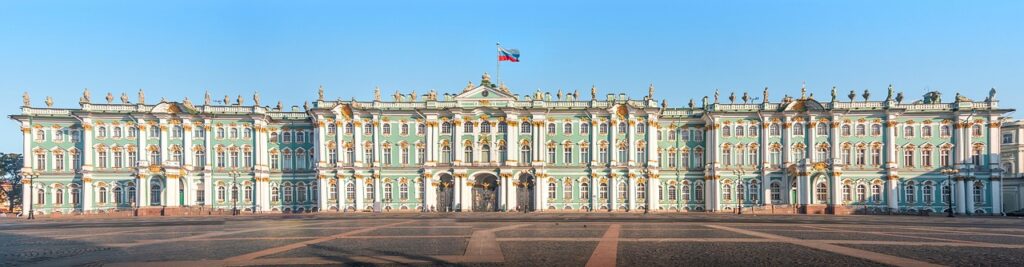
The State Hermitage and free access for specific groups (Palace Embankment, 34)
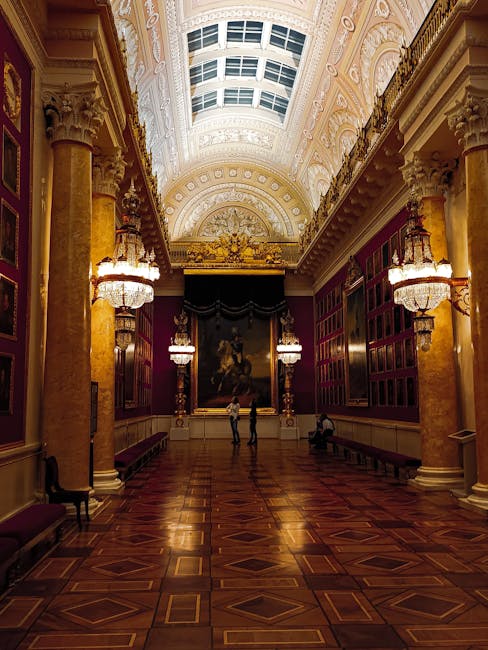
The State Hermitage Museum is one of the largest and most famous museums in the world, housed in the Winter Palace on the historic riverside: the official address is Palace Embankment, 34, St. Petersburg. The experience is overwhelming — from richly decorated imperial apartments to rooms full of European masters, the Hermitage immerses you in centuries of art history. Visually, the Grand Staircase, the columns, painted ceilings and the sequence of rooms feel like walking through a historical novel.
Free entry and conditions: the Hermitage is not entirely free for the general public, but it does offer several ways to enter at no cost:
- Children and teens: entry is generally free for children and adolescents up to 18 years old (0 €). Have valid ID ready.
- International and domestic students: some students (with a valid student card) receive substantial discounts, and sometimes free access depending on current policy. Check before your visit (0–5 € possible).
- Special days and events: during Museum Night (annual) or certain cultural days, access to selected areas may be free for everyone (0 € for targeted time slots).
Typical opening hours: the museum is usually open Tuesday to Sunday, 10:30–18:00 (some evenings until 21:00 on Wednesdays or Thursdays depending on the season). Closed on Mondays. Hours for specific spaces (temporary exhibitions, the Hermitage Theatre, pavilions) may vary. Indicative full-price adult ticket (when not free): around €15–20 (variable and payable in roubles on site).
Practical tips: arrive early (or late afternoon on extended opening days) to avoid the biggest crowds around masterpieces like the Rembrandt room and the French painting collection. If you qualify for free entry, bring proof (passport for minors, student card for young visitors). Allow at least three hours for a condensed visit; half a day if you want to explore an entire wing. Don’t miss the courtyard view and the quieter smaller rooms, where the lighting and carved details tell the story of the place.
Kunstkamera — Museum of Anthropology and Ethnography (Universitetskaya Embankment, 3)
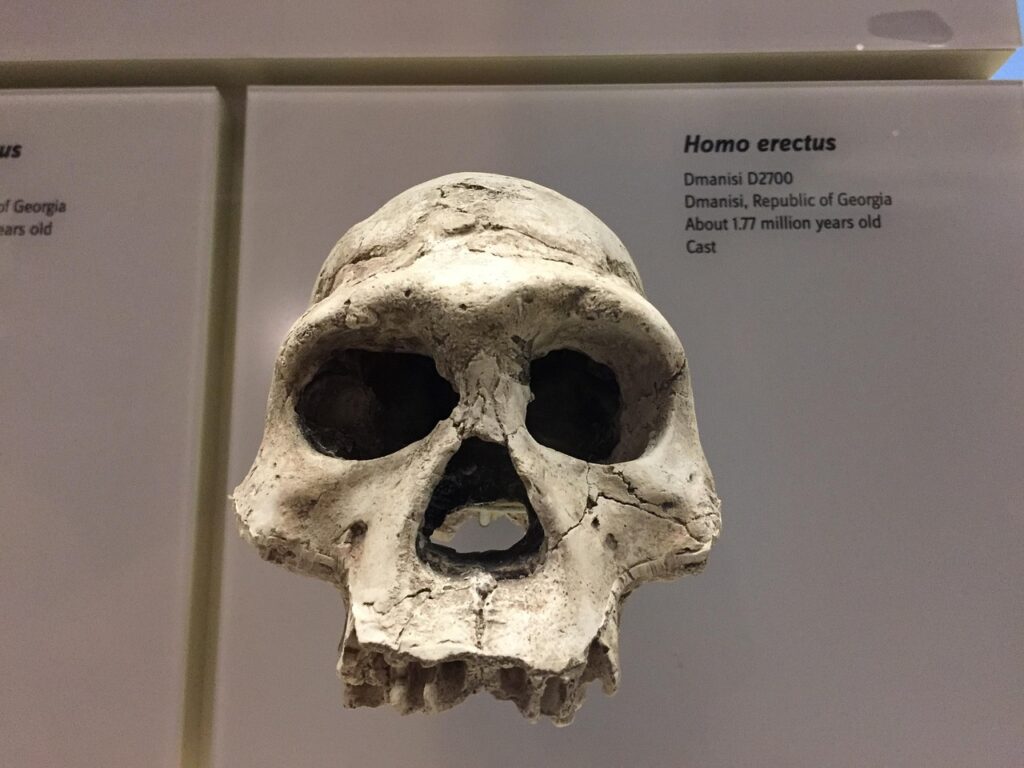
The Kunstkamera is the museum of natural history, anthropology and ethnography founded by Peter the Great. It sits at Universitetskaya Embankment, 3, facing the Neva. From a distance the blue-tiled roof and distinctive tower make the building look like an old-fashioned cabinet of curiosities. The collections include ethnographic artifacts from across the former Russian territories and beyond, plus scientific and anatomical objects that chart the history of science in Russia.
Free entry and conditions: the Kunstkamera frequently offers free entry options:
- Children and teens: common free entry for under-18s (0 €).
- Temporary free events: educational exhibitions and family workshops are sometimes free on specific days; the museum also runs free school events.
- Residents and students: discounts and free entry may be available for local students and teachers (varies).
Typical hours: usually open every day except Monday, 10:00–18:00; closed on some public holidays. Adult entry if charged: roughly €6–10 (variable). In practice the best approach is to check the official website for schedules of workshops and free temporary shows.
Immersive description: visiting the Kunstkamera is like digging through a time capsule — jars, ceremonial masks, colorful textiles and everyday objects displayed side by side. The atmosphere is both educational and occasionally startling — be prepared for displays that mix science and culture, often explained with multilingual panels. For families, the free workshops and activities make the Kunstkamera a great place to introduce children to world cultures.
Local tip: pair a visit to the Kunstkamera with a stroll along the Neva, then cross over to St. Isaac’s Cathedral (paid entry) for a panoramic view. Arrive early for a quieter visit; if you plan to attend free workshops, try to reserve in advance when possible to secure your spot.
Municipal museums and house-museums with free or open-access areas (central district and Moyka embankment)
St. Petersburg is home to many house-museums dedicated to writers, artists and historical figures. Several of them offer free spaces or free days, especially for local residents and school groups. Here’s a representative selection with well-known addresses and practical info.
-
Anna Akhmatova Museum — Fountain House (Fontanka Embankment)
Address: near the Fontanka, housed in the historic building nicknamed the Fountain House. The museum celebrates the poet Anna Akhmatova and her time.
Price: often free for children and occasionally free on commemoration days (0 € for eligible visitors). Hours: typically 10:30–18:00, closed Monday. Tip: the small reading room and the inner garden are perfect for a quiet moment with poetry. -
Dostoevsky House Museum (Dostoevsky Museum)
Address: historic house in the city center, often near Kuznechny Street/Griboedov Canal. The museum retraces the writer’s daily life and displays manuscripts, letters and personal items.
Price: free for some visitors (local students, children); otherwise modest fees (often €3–7). Hours: generally open every day except Monday. -
Small municipal galleries and cultural centres
Address: scattered across Admiralteysky and Central districts. Many small galleries show contemporary local artists’ projects for free. These spots are great for discovering the emerging art scene without spending anything.
Price: €0 for most temporary exhibitions. Hours: variable; often 11:00–19:00, closed Monday.
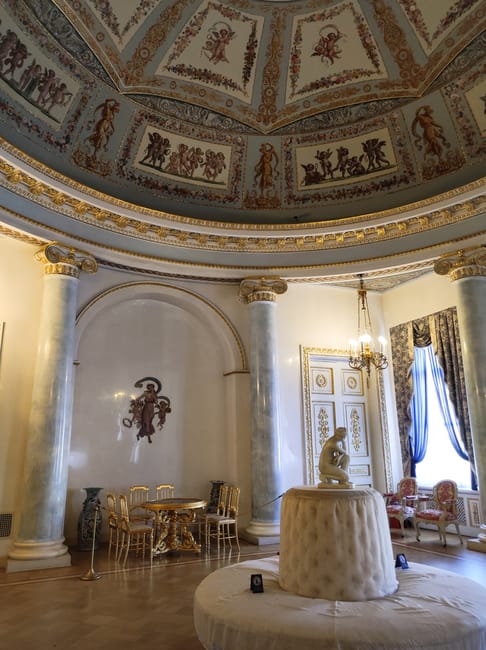
Immersive description: in these house-museums you feel the presence of past residents — creaking wooden staircases, the smell of old paper, portraits on the walls and period furniture. Exhibitions are often small but dense, telling personal stories rather than sweeping historical overviews. These places are adored by visitors seeking intimacy and everyday history.
Practical tips: check Russian-language local sites for announcements of free days (often posted on social pages); in high season visit outside peak hours (11:00–14:00) to enjoy a calmer space. If you’re passionate about a particular author, paid guided tours can deepen the experience; otherwise opt for audioguides if available.
Contemporary art museums and alternative spaces with free access (around Erarta and small galleries)
St. Petersburg isn’t all imperial grandeur: the city has a vibrant contemporary scene. Some art centers and private galleries open their permanent exhibition spaces for free, letting you see contemporary Russian work without spending a penny. The area around the Erarta center and repurposed warehouse districts often host free exhibitions, openings and performances.
Examples and addresses:
-
Erarta Museum of Contemporary Art (main building and satellite spaces)
Address: located on the right bank, depending on the entrance chosen in the Suvorovsky Prospekt / Moyka area. Erarta is a large private institution; some temporary exhibitions are paid, but there are often public halls and events with free access (free during certain programs). Price: temporary shows €10–15, some permanent spaces free during special events (0 € depending on schedule). Hours: variable; check weekly programming. -
Independent galleries and cultural centers
Address: spread across Petrogradsky and Central districts. These venues frequently host free contemporary art shows and evening openings where entry is free.
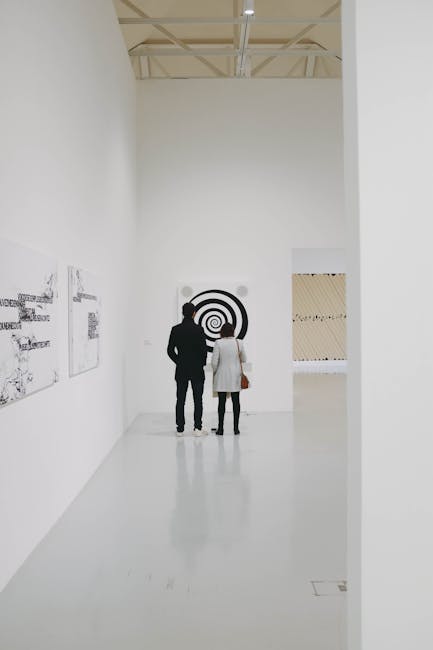
Immersive description: contemporary galleries favor bright spaces, multimedia installations and interactive works: white walls, raw floors, targeted lighting, sometimes electronic music or live performances. The experience is often participatory: you can chat with artists at openings, pick up flyers and join free workshops.
Local tip: follow local cultural calendars (posters on Nevsky Prospekt, social media and community sites) to spot openings — the best moments for free art and networking. Openings are usually evenings, often Thursday or Friday, and sometimes include a welcome drink. If your time is limited, target 2–3 galleries in the same neighborhood and finish at a café or small bar to discuss what you saw.
Peter and Paul Fortress and other sites with partially free access (Zayachy Island)
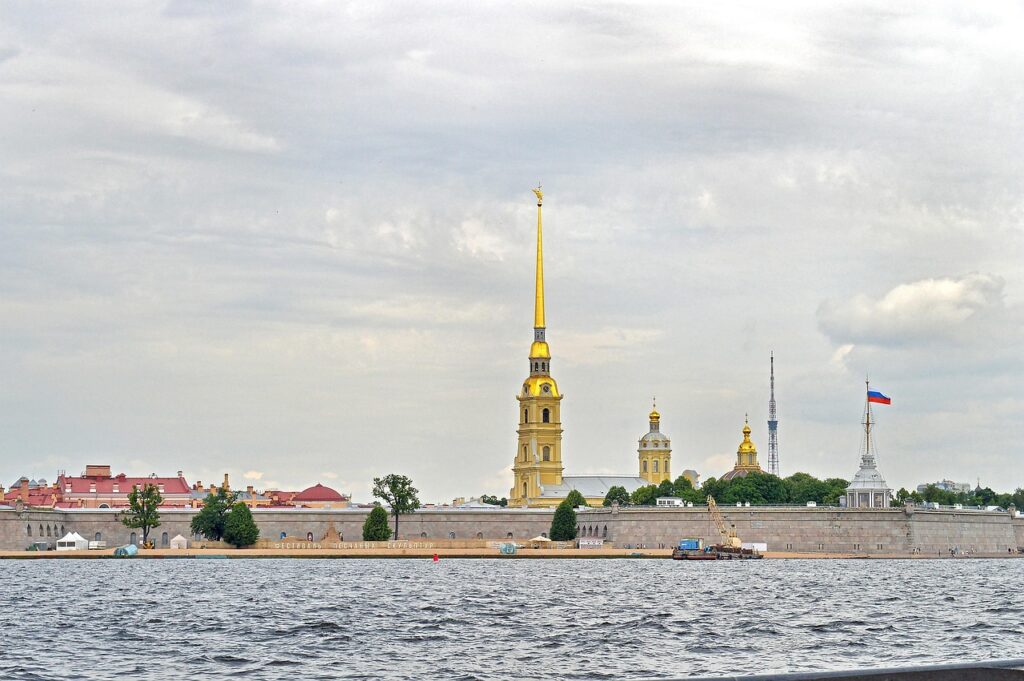
The Peter and Paul Fortress (Petropavlovskaya Krepost) is one of the city’s founding sites, located on Zayachy Island (Hare Island). The general address for the complex is Petropavlovskaya fortress, Zayachy Island, and it’s easy to reach from Gorkovskaya metro. The site includes Sts. Peter and Paul Cathedral, the fortress history museum and several other buildings.
Free access and what’s open: access to the outer enclosure and the courtyards is usually free (0 €) — it’s a superb free walk with views of the Neva and the city. Entry to some museums and the cathedral may be ticketed, but outdoor areas, fortifications and certain open-air exhibitions often remain free.
Hours: the outdoor site is accessible year-round; the internal museums are typically open 10:00–18:00 (closed some days). If paid, museum entries are around €3–10 for exhibitions. Tip: enjoy the site early in the morning or at sunset — the light on the Neva and the cathedral’s gilded façade makes for memorable photos.
Immersive description: walking the island feels deeply historical — cannons, brick walls, wild grass between the paving stones. The cathedral’s golden spire dominates the island and frames ships on the river. For budget travelers, the fortress is one of the best free experiences: history, views and calm away from the busiest tourist streets.
Practical tip: combine a free fortress walk with a visit to the opposite bank and the embankments; bring your camera to capture bridge symmetry and river traffic. If you plan to enter the cathedral or on-site museums, set aside a few euros or book online to avoid queues.
Practical tips to make the most of free museums and avoid pitfalls
Seeing St. Petersburg on a budget takes a bit of planning. Here are concrete local tips to maximize free visits:
- Check eligibility rules: many free offers depend on status (child, student, teacher, resident). Always carry your passport, an international student card (ISIC if applicable) and any required proof.
- Use official sites: hours, free days and temporary exhibitions change. Most major museums have English pages; for smaller museums, local social media often announce free events.
- Favor weekday mornings: for popular spots like the Hermitage, the first hours of the day are less crowded and far more pleasant.
- Note special days: Museum Night (annual) and municipal cultural days pack in free events — a great way to do a lot in one evening.
- Mix free and paid sites: if there’s a paid gallery you really want to see, balance it with house-museums or walks in forts and public gardens.
- Book online when possible: even for free entry, some institutions require prior registration to manage visitor flow.
Local anecdote: people from St. Petersburg like to say culture is “accessible” — many residents attend free exhibitions and public readings regularly. Don’t hesitate to ask librarians or museum staff about free events that week: they’re often the best gateway into the local cultural scene.
Conclusion — Getting the most out of free museums in St. Petersburg
St. Petersburg offers an exciting balance between world-famous paid monuments and a wealth of spaces that are free if you know where to look. This overview shows that even when major museums charge for certain exhibitions, there are many opportunities for free access: fortress grounds, contemporary galleries, house-museums, special days and concessions for children and students. The key is preparation: check online, bring necessary ID, and plan around opening hours and closed days.
Beyond saving money, choosing free museums often leads to a more intimate, local experience: small displays reveal everyday lives of artists and writers, palace courtyards and forts offer viewpoints and atmospheres without crowds, and independent galleries facilitate direct encounters with creators. For the curious traveler, these free visits are chances to read the city’s layers — imperial, scientific, literary and contemporary.
Before you go, remember three simple rules: check eligibility, watch museum announcements for free events, and favor off-peak times for a peaceful visit. And even when a visit is free, leaving a donation at the museum desk (if you can) is always appreciated and helps preserve collections and programs. Enjoy St. Petersburg with curiosity and respect: the city will share its best stories with you — sometimes for 0 €.