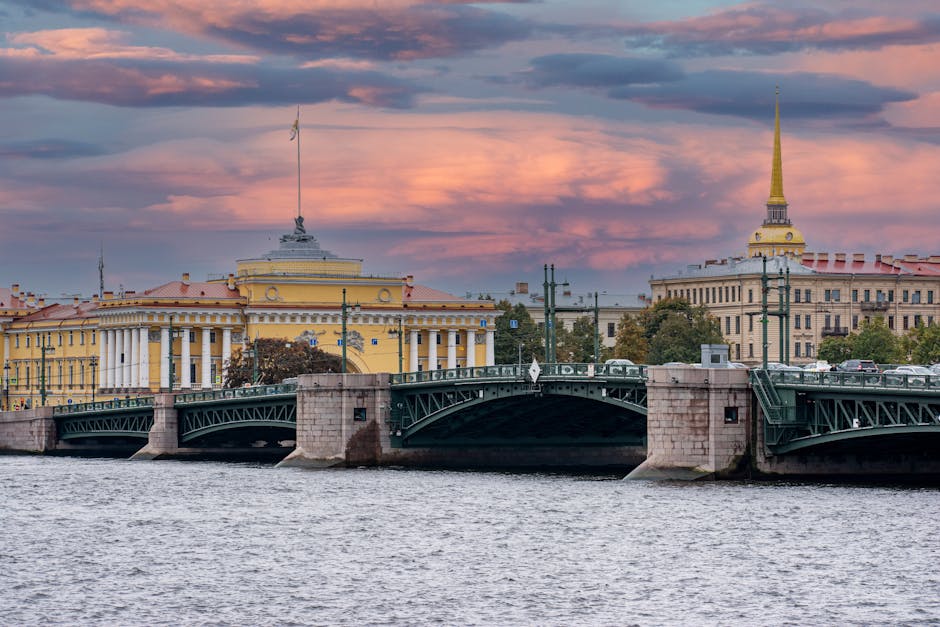






Introduction
Getting around Saint Petersburg is both practical and deeply immersive: the city strikes a remarkable balance between modern public transport and walks filled with discoveries. Between grand avenues, romantic canals and imperial façades, planning your days requires a good understanding of the options—especially if you want to combine metro, tram and walking to optimize time, cost and enjoyment. This general guide gives you a practical, detailed view to plan your movements, with exact addresses, prices in euros, indicative schedules and local tips to make every step of your visit easier.
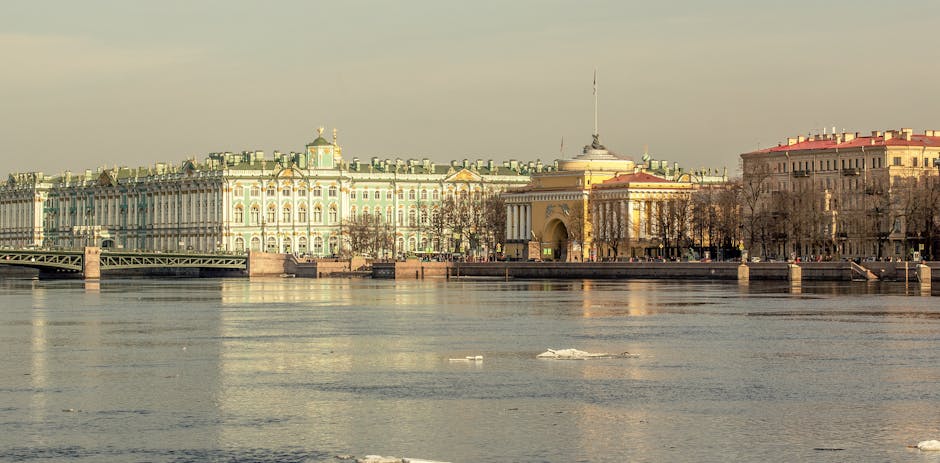
The historic core of Saint Petersburg is perfect for a mixed strategy: use the metro to cover long distances quickly, take the tram to enjoy characterful neighborhoods, and walk to capture the soul of the streets. The metro, known for its punctuality and the beauty of some stations, serves sites like the State Hermitage Museum (State Hermitage Museum, Palace Square, 2, St Petersburg, 190000) 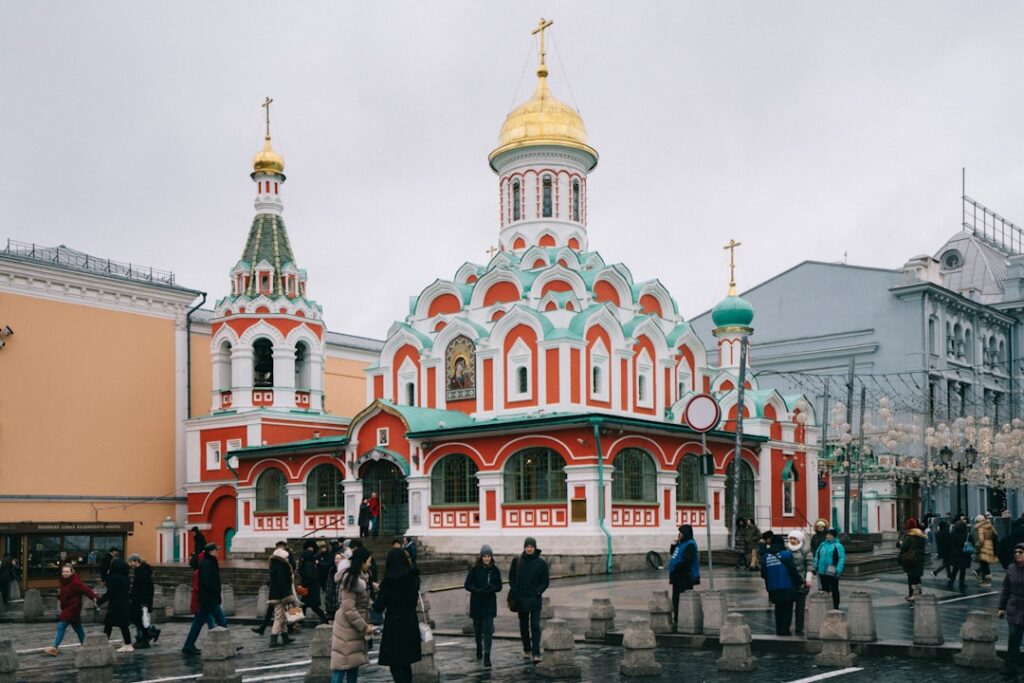 , while the tram network gives you street-level views and a chance to observe daily life. Walking lets you explore classic pedestrian routes—like the sweep of Nevsky Prospekt (Nevsky Prospekt, Saint Petersburg) down to Palace Bridge—and hidden treasures such as inner courtyards or old bookshops.
Throughout this guide you’ll find concrete information on: general schedules (for example the metro usually runs from 05:30 to 00:30), approximate costs in euros (a single metro ride is around €0.80), how to use rechargeable cards (the Podorozhnik card), recommended walking routes and safety/comfort pointers. Every tip is designed to make the metro-tram-walk combo as smooth as possible, whether you’re on a cultural weekend, a photography outing or a business trip.
This guide also includes exact addresses, notes on accessibility, tips to avoid rush hours and suggested half-day to full-day routes. Visual landmarks and photo markers help you anticipate views and prepare your camera. Pack comfortable walking shoes, your Podorozhnik card (or a few tickets bought with euros), and your curiosity: Saint Petersburg is best discovered slowly, and combining transport modes multiplies the pleasures.

Plan Your Journeys: Understanding the Network
Before you set off, it helps to understand the three scales of getting around Saint Petersburg: the metro for speed, the tram for scenic routes and walking for detailed exploration. Saint Petersburg’s metro (Санкт‑Петербургский метрополитен) has five lines and over 70 stations. Typical hours: usually from 05:30 to 00:30. Frequency: every 2–4 minutes at peak times (07:00–09:30 / 16:30–19:30), and every 5–7 minutes during the day.
Fares and payment methods: a single ride costs about 70–90 RUB, approximately €0.80–€1.05 depending on the exchange rate. To avoid buying tickets repeatedly, opt for the Podorozhnik card (Подорожник), a rechargeable card sold and topped up at station ticket offices, vending machines and kiosks. Advantage: discounted fares and direct payment for trams, buses and some ferry services. The card is available at ticket offices in major stations like Nevsky Prospekt Metro Station (Nevsky Prospekt, Saint Petersburg) and Ploshchad Vosstaniya (Ploshchad Vosstaniya, 2, St Petersburg, 191104).
The tram network complements the metro by serving neighborhoods that aren’t covered by underground lines, especially riverbanks and secondary avenues. Schedules vary by line: most run from 05:30 to 23:30, though some tourist or night lines may differ. The fare for a single tram ride is comparable to the metro (70–90 RUB ≈ €0.80–€1.05) and can be paid on board or with Podorozhnik. Note: on-board payment may sometimes require exact change or the card.
Practical planning tips:
- Use offline map apps (for example Maps.me) and the official metro app to view routes and real-time connections.
- Avoid rush hours if you have large luggage; the metro can be very crowded between 08:00–09:30 and 17:00–19:00.
- Identify several stations near your accommodation: being close to a fast line (for example Vyborgskaya or Moskovskaya) will save you time.
- Always keep a small stash of euros in cash or on a card accepted locally to buy tickets or top up your Podorozhnik if needed.
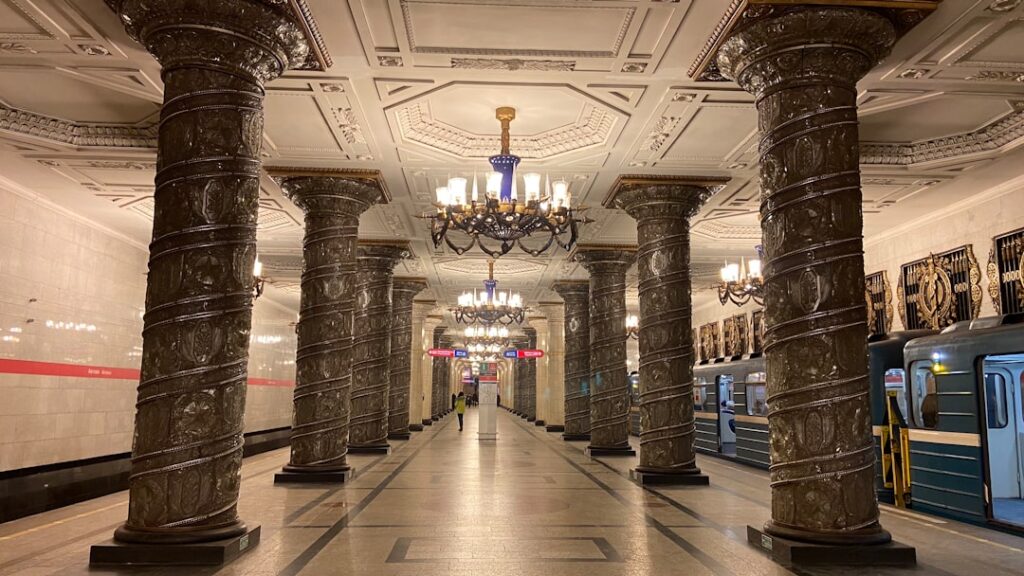
Using the Metro: Key Stations, Hours, Fares and Tips
The metro is the most efficient way to cover long distances quickly. Here are some strategic stations and what they give you to organize your trips:
- Admiralteyskaya Metro Station — located near the Hermitage and the Winter Palace (State Hermitage Museum, Palace Square, 2, St Petersburg, 190000). Ideal for starting a central visit. Metro hours: 05:30–00:30. Entrances and exits on Palace Square and Millionnaya Ulitsa.
- Nevsky Prospekt Metro Station — serving Nevsky Prospekt (Nevsky Prospekt, Saint Petersburg), close to Kazan Cathedral (Nevsky Prospekt, 25, St Petersburg, 191186). Handy for shopping, cafés and historic bookshops.
- Ploshchad Vosstaniya Metro Station — at surface level: Ploshchad Vosstaniya, 2, St Petersburg, 191104; direct access to Vitebsky Rail Terminal and Nevsky Prospekt.
- Moskovskaya Metro Station — on Moskovsky Prospekt, convenient for connections to Pulkovo Airport (Pulkovo Airport, Airport Pulkovo, St Petersburg) via shuttles and buses.
Detailed fares (approximate): single metro/tram ticket: €0.80–€1.05. Podorozhnik card: initial card cost ≈ €1.50–€3 (for the physical card) + top-up as needed. Unlimited day passes occasionally exist or are offered through tourist packages: expect prices around €5–€8 per day for unlimited passes (depending on current offers). Ticket offices at major stations (Admiralteyskaya, Nevsky Prospekt, Ploshchad Vosstaniya) sell and top up these cards; useful address: Station Nevsky Prospekt, Nevsky Prospekt, St Petersburg.
Metro tips:
- Beware of long escalators: some deep stations have descents of over a minute. Let people exit before you get on and hold your bags.
- Check escape routes and exits: many stations have exits that open onto different streets than expected, saving you unnecessary walking.
- To reach the Hermitage, exit at Admiralteyskaya and follow signs to Palace Square. Have a walking plan to make the most of the Neva waterfront.
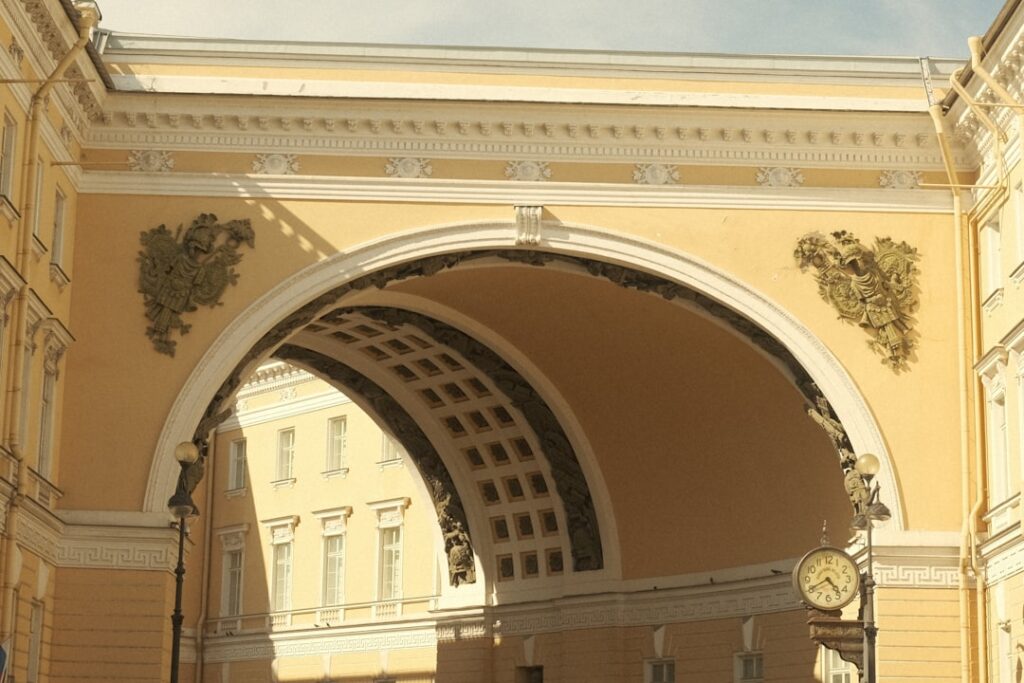
Trams and Trolleybuses: Charm, Useful Lines and Practical Advice
Trams in Saint Petersburg are a great way to see the city at a slower pace than the metro. They cut through historic districts, follow quays and offer direct views of urban life. A few notable lines connect tourist and residential areas—they’re often the best way to link points the metro doesn’t reach easily.
Useful lines and stops:
- Tram along Liteiny Prospekt and the canal: stop near Liteiny Prospekt, 16, handy for cafés and art galleries.
- Lines running near the Neva embankment: ideal for admiring bridges and façades from a seated window.
- Stops around Vitebsky Station and Moscow Rail Terminal (Ploshchad Vosstaniya, 2): provide direct links to regional trains.
Hours: most trams run from 05:30 to 23:30, with frequency varying by line and time. Some lines near tourist areas may extend service slightly into the evening. Fare: 70–90 RUB ≈ €0.80–€1.05 per trip; pay with Podorozhnik or cash to the driver (have exact change if paying cash).
Local tips:
- Board at the back, exit at the front if paying cash; show your Podorozhnik to the validator when paying electronically.
- Trams are very photogenic at sunset along the quays—sit by a side window for the best shots.
- Avoid crowded trams during school release times (around 15:00–17:00) and morning rush hours.
- For late-night trips, check for connections or take an official taxi (typical daytime fare: €3–€10 depending on distance).
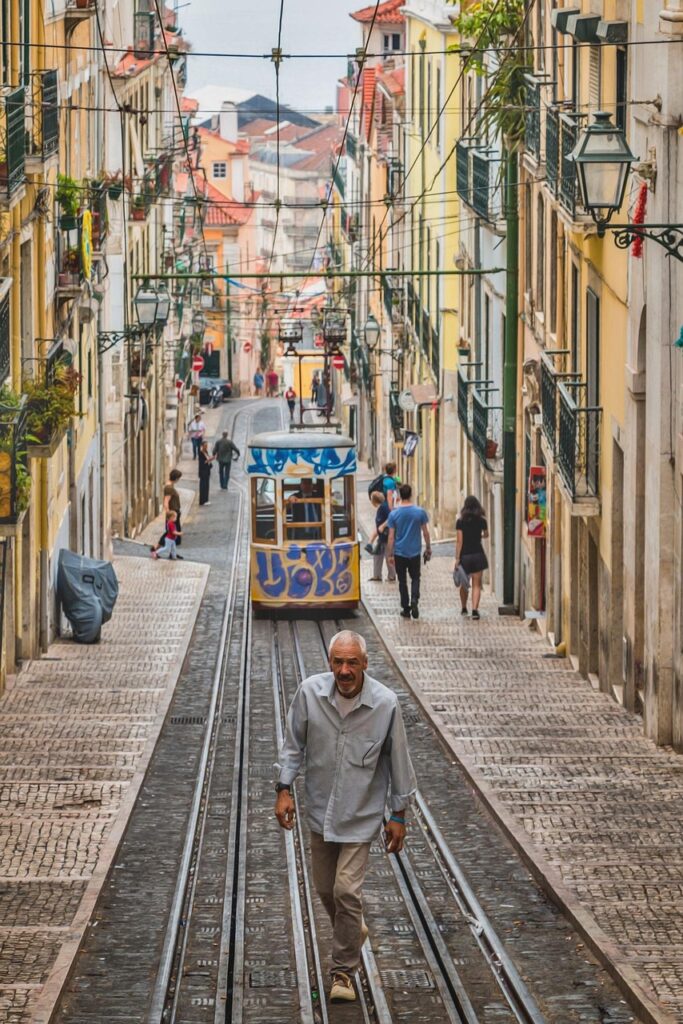
Walking in Saint Petersburg: Pedestrian Routes, Safety and Discoveries
Nothing beats walking to feel the pulse of Saint Petersburg. The city is made for exploring on foot: wide vistas, opening bridges and canals invite you to slow down. Here are several recommended walking routes and tips to approach them comfortably and safely.
Recommended routes:
- Classic route (2–4 km): From Nevsky Prospekt station (Nevsky Prospekt, Saint Petersburg) to Palace Square (Palace Square, 2) via Kazan Cathedral (Nevsky Prospekt, 25) and the Neva quays. Duration: 45–90 minutes at a leisurely pace, including stops.
- Cultural walk (3–5 km): Palace Square → Admiralty Prospect → Palace Bridge → Church of the Savior on Spilled Blood (Naberezhnaya reki Moiki, 2, St Petersburg, 191186) → Rubinstein Street for dinner.
- Alternative route to Petrogradskaya Storona: take a tram to cross the river, then walk the islands to discover more local views and small shops.
Comfort and safety tips:
- Wear appropriate shoes: cobblestones and uneven sidewalks are common. When it rains, some sections get slippery.
- Plan breaks at iconic cafés: Cafe Singer (Dom Knigi, Nevsky Prospekt, 28) or Pyshechnaya (Bolshaya Konyushennaya Ulitsa, 25) to taste local specialties.
- Avoid showing flashy valuables; pickpockets exist, especially in very busy spots.
- Use public benches and the Neva embankments for orientation: main bridges (Palace Bridge, Birzhevoy Bridge) are good landmarks to find your way back to a metro station.
For a well-paced day, combine: a morning metro ride to Admiralteyskaya to visit the Hermitage, a walk along the quays to the Church of the Savior on Spilled Blood, then use the tram to reach a more distant neighborhood. This alternation maximizes discoveries and efficiency while limiting fatigue.
Conclusion
Combining metro, tram and walking in Saint Petersburg is the best way to explore the city thoroughly: the metro to save time and cover long distances, the tram for more scenic rides, and walking to savor every architectural detail and neighborhood vibe. By planning wisely—taking into account metro hours (generally 05:30–00:30), tram coverage (05:30–23:30 depending on lines), approximate prices in euros (around €0.80–€1.05 per trip) and rechargeable options like the Podorozhnik—you’ll master your transport while discovering the city’s soul.
Favor key stations (Admiralteyskaya for the Hermitage, Nevsky Prospekt for the commercial heart, Ploshchad Vosstaniya for rail connections) and pair them with carefully chosen walking routes (Nevsky Prospekt → Palace Square → Church of the Savior on Spilled Blood). Don’t forget to adapt your itinerary to rush hours, bring an offline map or app, and use Podorozhnik to simplify payments. Above all, embrace the city’s rhythm: some discoveries happen around a corner, in an inner courtyard or by watching comings and goings from a tram.
With this mixed strategy your stay will remain flexible, economical and rich in discoveries. Saint Petersburg lends itself perfectly to this kind of organization: use the metro’s speed, the tram’s photogenic slowness and the intimacy of walking for a full, memorable experience. Have a great trip and enjoy your walks through the streets, bridges and museums of the Venice of the North.