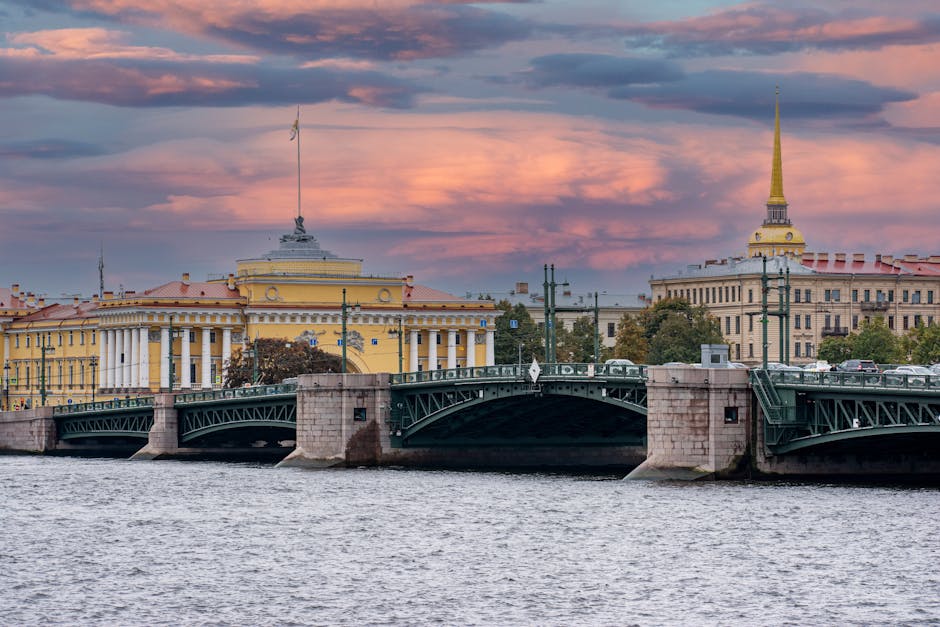






Introduction — Getting around Saint Petersburg: size up the city before you go
Saint Petersburg, often nicknamed the “Venice of the North,” stretches along the Neva with broad avenues, canals, bridges and urban islands that make getting around both fascinating and, for first-time visitors, occasionally confusing. Knowing the main transport options — the metro, trams and taxis (including ride‑hailing services) — is essential to make the most of the city’s rich cultural offerings: the State Hermitage Museum (Palace Square, 2), Saint Isaac’s Cathedral (Isaakievskiy Sobor, Isaac Square, 4) and the bustling Nevsky Prospekt. This practical guide aims to be thorough and hands‑on: addresses, opening hours, prices converted into euros, local tips and safety advice.
Saint Petersburg’s public transport network is extensive and relatively affordable compared with many European cities. The metro, famous for its deep and ornate stations, is the quickest way to cross town and avoid the frequent traffic jams on Nevsky Prospekt or Moskovsky Prospekt. Trams are slower but offer scenic rides along the embankments and through historic neighborhoods. Taxis and ride‑hailing apps (Yandex.Taxi, Gett, the local Uber) round out the options — especially early morning, late at night, or when you’re carrying luggage, for example to and from Pulkovo Airport.
This guide is written for beginners: you’ll find detailed descriptions of key lines and stations, useful addresses (stations, airports, major sights), prices shown in euros for quick budgeting, general schedules and tips to avoid common traps (fake taxis, pickpockets in crowded stations, confusing ticket validators). Prices are given in euros to make budgeting easier; note they can change with exchange rates and local fare updates. Practical recommendations (apps to download, how to top up a Podorozhnik card, safety rules at night) will help you get around confidently as soon as you arrive in Russia’s cultural capital.
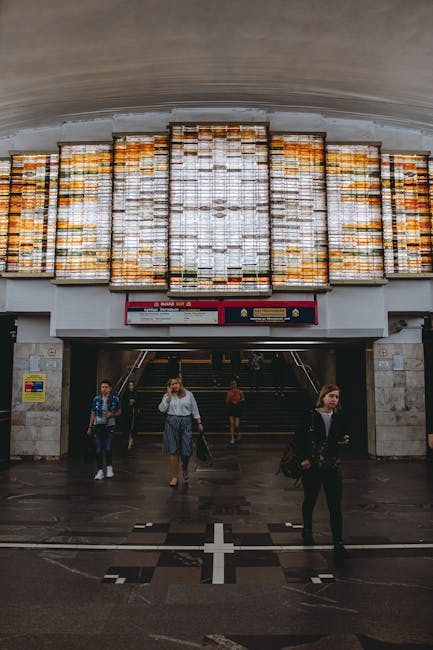
Saint Petersburg Metro: lines, must‑see stations and how it works
The Saint Petersburg metro opened in 1955 and today has five main lines serving central and outlying areas. The most useful lines for visitors are Line 1 (red), Line 2 (blue) and Line 5 (purple, partly above ground). Deep, monumentally decorated stations like Avtovo (Avtovo Station, Kirovsky District, Kievskaya Ulitsa) and Admiralteyskaya (Admiralteyskaya Station, Admiralteysky District, near Palace Square) are famous for their architecture and are worth visiting in their own right. Trains run frequently (about every 2–5 minutes during peak hours) and the metro generally operates from 05:30 to 00:30; minor schedule changes can occur on public holidays, so check the official Saint Petersburg Metro website for updates.
Fares: a single ticket (one trip) costs around 70 RUB, roughly €0.80. Rechargeable Podorozhnik cards (contactless travel cards) offer discounted fares for multiple trips: the card requires a small deposit (around 60 RUB ≈ €0.70) and you can load single trips or bundles. A pack of 10 rides can be more economical if you plan multiple journeys. Validators are at the entry turnstiles, so keep a single ticket or your card handy. Main stations to know with useful addresses:
- Moskovsky Railway Station (Витебский вокзал) — Ploshchad Vosstaniya, 1, Saint Petersburg: primary rail link with Moscow and directly connected to the Ploshchad Vosstaniya metro station.
- Nevsky Prospekt Station — Nevsky Prospekt, 32, Saint Petersburg: tourist hub, direct access to the main avenue and Kazan Cathedral.
- Admiralteyskaya Station — Admiralteysky District, near Palace Square: the closest station to the State Hermitage Museum (Palace Square, 2).
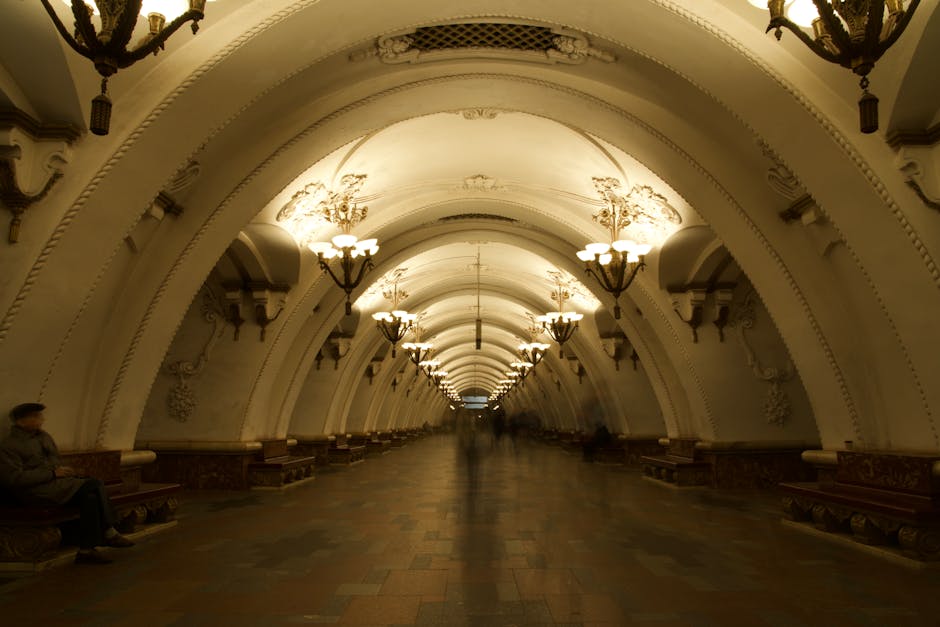
Practical tips for the metro: avoid rush hours (08:00–10:00 and 17:00–19:00) if you have luggage or dislike crowds. Keep your tickets — random checks by inspectors do happen. If you’re traveling with large bags, use entrances with elevators or escalators; Admiralteyskaya and Nevsky Prospekt have more accessible access points. Download the Yandex.Metro or Citymapper apps to plan routes in real time and find the best transfers.
Trams and surface transport: scenic routes and lines useful for tourists
Saint Petersburg’s tram network is one of the largest in Europe and is an excellent way to see local life while getting around. Historic trams run mainly along the Neva and through some central districts. They’re slower than the metro but perfect for short, pleasant journeys — for example between Petrogradskaya Prospect and Moskovsky Prospect. Many popular tourist routes run along Liteyny Prospect, Nevsky Prospekt and the Neva embankments.
Fares: boarding is usually paid with the same metro/tram ticket (≈ €0.80). Some trams require validation with the driver or on-board validators; others expect you to buy a ticket at the stop kiosk or via a mobile app. Tourist or historic tram routes may charge a slightly higher fare for visitors (around 100–150 RUB → €1.15–€1.75), especially on special routes.
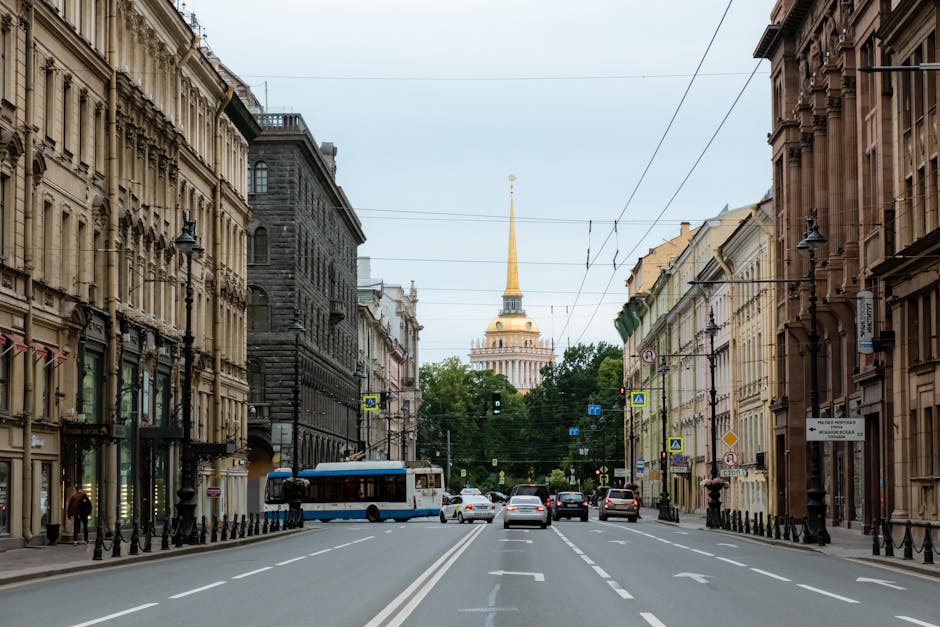
Hours: most lines run from 05:30 until midnight; a few central lines offer limited night service. As a municipally run network, frequency varies: expect 6–15 minute intervals during the day and 15–30 minutes in the evening. For a scenic ride, take the tram along Universitetsky Prospekt or between Petrogradskaya station (Petrogradsky District, Bolshaya Nevka embankment) and the area around the Hermitage.
Local tips: board at the front only if you’re buying your ticket from the driver. Inside, be considerate of elderly passengers and offer seats when needed. In rain or snow, trams can be delayed — allow extra time for important connections (trains, flights). For a memorable view, get off near Palace Embankment close to the State Hermitage Museum and stroll along the Neva at sunset.
Taxis, ride‑hailing and airport transfers: fares, addresses and best practices
Traditional taxis and ride‑hailing apps (Yandex.Taxi, Gett, the local Uber) are everywhere in Saint Petersburg. Official taxis usually display a commercial plate and often have a roof sign. To avoid scams, book through an app or use official taxi stands outside train stations and airports. Key pickup and drop‑off points:
- Pulkovo Airport (LED), Passenger Terminal — Pulkovo Airport, Saint Petersburg: to reach the city center (Nevsky Prospekt / Moskovsky Prospekt), expect between €20 and €35 depending on traffic and service level (standard vs comfort); typical trip time 30–45 minutes.
- Moskovsky Railway Station (Ploshchad Vosstaniya, 1) to the airport by taxi: similar fare, often cheaper if reserved in advance via an app (≈ €18–€30).
- Short ride within the center (e.g. Nevsky Prospekt to Palace Square): ≈ €3–€6 depending on traffic, payment method and time of day.
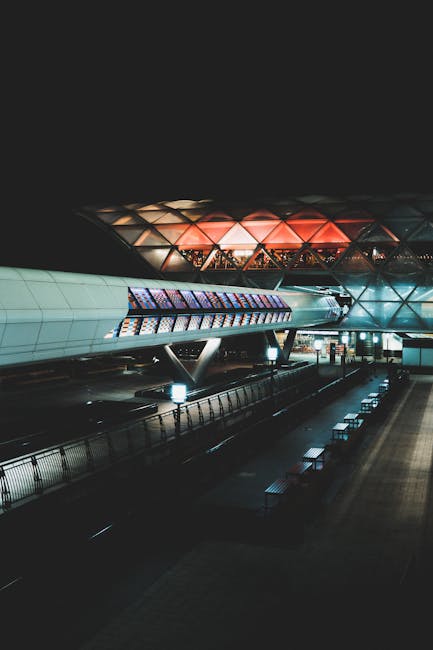

Typical fare structure (approximate in euros): base fare ≈ €1.50–€2.00, price per km ≈ €0.15–€0.30, night/traffic surcharge ≈ €2–€5. Prices vary widely by app and vehicle class (economy, comfort, business). Always check the proposed route and the estimated price in the app before confirming. If you get into a non‑booked taxi, ask the driver to turn on the meter; if they refuse, get out and order a ride via an app.
Practical tips: keep your destination written both in Latin and Cyrillic to show the driver if needed (e.g. « Palace Square, 2 — The State Hermitage Museum / Дворцовая площадь, 2 — Государственный Эрмитаж »). For night journeys, prefer ride‑hailing services with driver ratings. For longer trips to nearby attractions (e.g. Peterhof Palace, Petrodvorets, Petrodvortsovy District), compare official transfer prices with private taxi options: a private transfer to Peterhof often costs €30–€60 depending on vehicle and season.
Practical tips, safety and beginner’s tricks
Getting around efficiently in Saint Petersburg just takes a few habits: download local apps, know key addresses in Cyrillic, and always allow a little extra time for connections. Concrete recommendations:
- Must‑have apps: Yandex.Metro, Yandex.Taxi, Citymapper or Google Maps (use the transit schedules), and a translation app for Cyrillic if you don’t read it.
- Money and payment: most transport accepts cash (rubles) and cards. Keep some cash handy for trams and small taxi fares. The conversions shown here are approximate: €0.80 for a metro trip, etc.
- Safety: Saint Petersburg is generally safe, but watch out for pickpockets in crowded stations (Nevsky Prospekt, Ploshchad Vosstaniya). Avoid flashing large bills and keep important documents in an inside pocket.
- Language: main signs are often in Cyrillic only. Learn the spelling of key stations (Невский проспект = Nevsky Prospekt) and always carry your hotel address in Cyrillic on a piece of paper.
- Timing and planning: check museum and show times (Hermitage, Mariinsky Theatre) and plan journeys accordingly — the metro stops around 00:30, so for late performances book a taxi in advance.
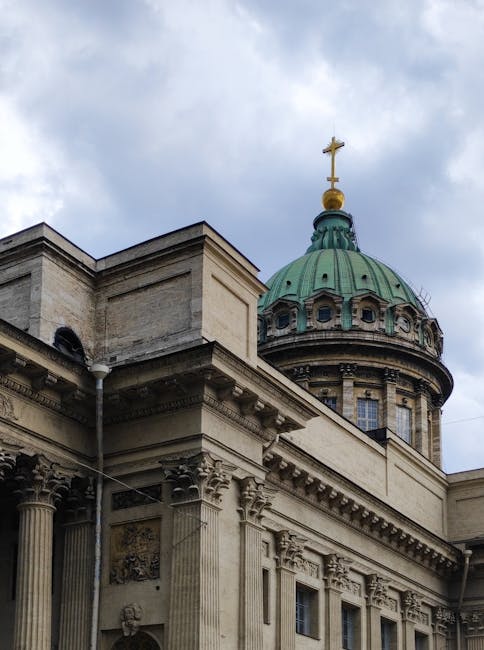
In short, use the metro for speed, the tram for charm and taxis/ride‑hailing for convenience. With a bit of prep (maps, apps and addresses in Cyrillic), you’ll find Saint Petersburg easy to explore and full of discoveries at every stop.
Conclusion — Gain confidence and enjoy the city
For a beginner, getting around Saint Petersburg mixes visual delights with hands‑on learning. The metro will quickly take you from the main thoroughfares (Nevsky Prospekt, Ploshchad Vosstaniya) to major sights (State Hermitage Museum, Palace Square, 2), while the tram sets a slower, more picturesque pace to soak up architecture and daily life. Taxis and ride‑hailing fill gaps in the public network — airport transfers, heavy luggage or late‑night returns — at a reasonable cost if you compare options and book through trusted apps.
Keep these simple rules in mind: buy or top up a Podorozhnik card for convenience, avoid peak hours where possible, use local apps for real‑time planning and always prefer app bookings for airport or train station transfers (Pulkovo Airport or Moskovsky Railway Station, Ploshchad Vosstaniya, 1). Learn the Cyrillic spelling of key addresses or keep them written down to show locally. And leave time to walk — Saint Petersburg is also meant to be discovered on foot, between Nevsky Prospekt and the Neva embankments, where every bridge and facade has a story to tell.
Armed with these practical details — full addresses, time windows, fares in euros and safety tips — you’re ready to navigate Russia’s second city with confidence. Have a great trip and enjoy the canals, palaces and museums of Saint Petersburg, Russia’s cultural capital.