





Introduction — Why Explore Saint Petersburg by Tram
Saint Petersburg is a city built to be savored slowly: its wide avenues, canals and ornate facades are best appreciated from a low, street-level viewpoint. The tram (весёлый «tram») delivers that authentic, budget-friendly experience. Unlike the deep metro or taxis, trams let you slip into everyday life, glimpse artisan workshops, richly stuccoed fronts and peaceful quays. This guide outlines essential tram routes to take in Saint Petersburg’s main urban, historic and riverside sights, with exact addresses, typical schedules, euro prices and practical local tips.
Below you’ll find routes designed for anything from a half-day wander to a full day out: loops in the historic center, rides along the Neva, detours to Petrogradsky and Vasilievsky Islands, and evening runs to see the city lit up. Each itinerary lists recommended tram lines, key stops (when official names exist) and nearby points of interest like the Hermitage Museum (Palace Square / Palace Embankment 2, Saint Petersburg 190000) or the Peter and Paul Fortress (Petropavlovskaya Krepost’, Petropavlovskaya Ulitsa 3, Saint Petersburg 197046).
We also cover practical matters: how to buy tickets, approximate single-trip cost in euros (converted for easier reading), typical tram hours, and tips to avoid rush hour or catch a Neva sunset. Each route includes local tips — where to hop off for Russian specialties, which quays are best for photos, or how to combine tram + ferry for a fuller experience.
1. Historic Center Loop: Nevsky Prospekt, Palace Square and the Canals (recommended route)
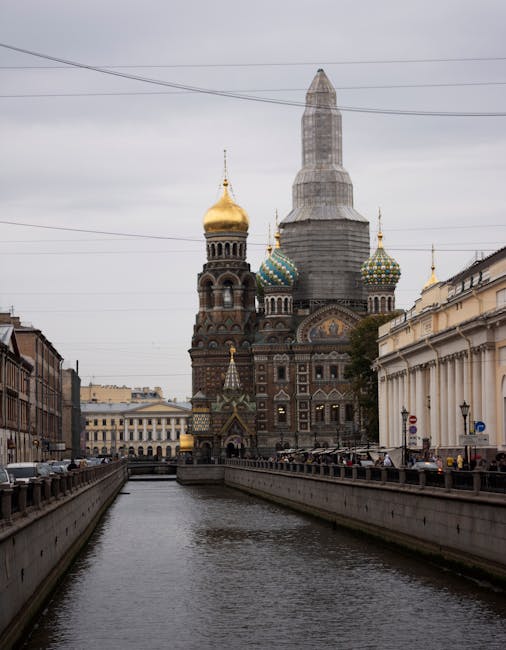
This first route plunges you into the historic heart. Start on Nevsky Prospekt, Saint Petersburg’s main drag, then follow the canals and pass iconic monuments. Recommended route: take a tram along Nevsky Prospekt or, for a more picturesque option, hop on lines that run along the canals — key stops: Nevsky Prospekt / Gostiny Dvor (Nevsky Prospekt 35, near Gostiny Dvor shopping arcade), Palace Square (Dvortsovaya Ploshchad’, Palace Embankment 2), and Griboyedov Canal (Naberezhnaya Kanala Griboyedova, stop near Church of the Savior on Spilled Blood).
Hours: most central trams run between 05:30 and 00:30. Frequency: daytime services run roughly every 7–15 minutes depending on the line. Price: a single standard trip costs about €0.80 (pay in cash on board or via a local app; conversion indicative). You can also buy a rechargeable Troika card or single-use cards at kiosks: 1-day pass (unlimited municipal transport) ≈ €4.50, 3-day pass ≈ €11.50 — check availability and be ready to top up with ID.
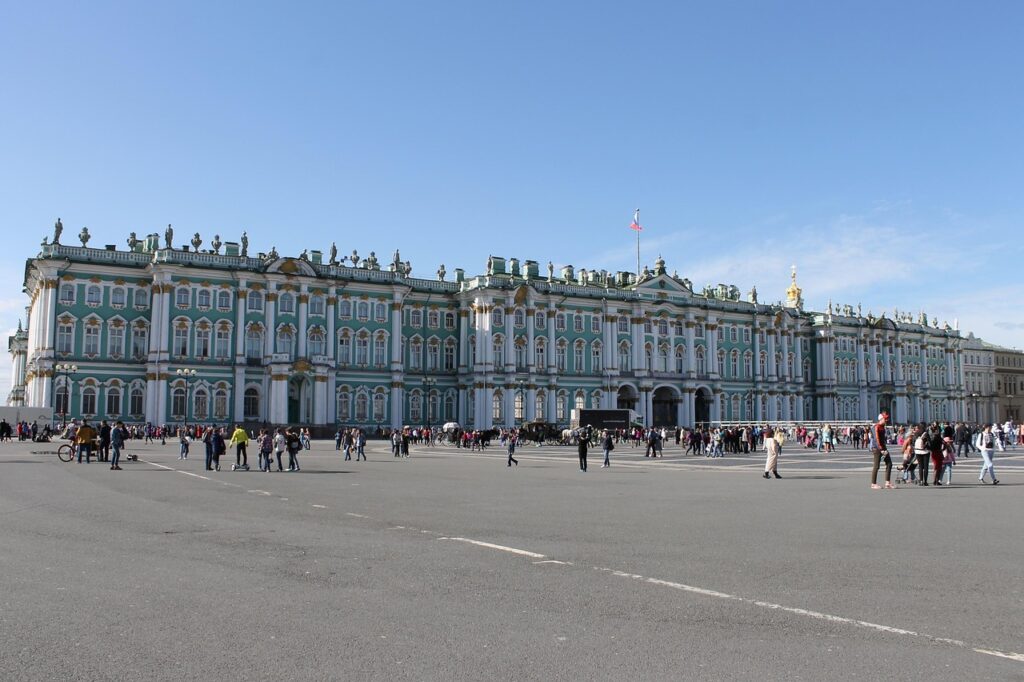
On-board vibe: from the tram you’ll spot neoclassical facades, tall lampposts and windows of traditional cafés. Get off at Palace Square (Dvortsovaya Ploshchad’, Palace Embankment 2) and you’ll be facing the pale yellow frontage of the Hermitage, vast and imposing. A few minutes’ walk away, St. Isaac’s Cathedral (Isaakievskaya Ploshchad’, St Isaac’s Square 4) offers a gilded dome that glints over the rooftops. For photos, favor morning light or sunset on Palace Square.
- Highlights: Hermitage Museum (Palace Embankment 2, museum tickets ≈ €15–20), St Isaac’s Cathedral (St Isaac’s Square 4, entry ≈ €7–10), Church of the Savior on Spilled Blood (Naberezhnaya Kanala Griboyedova 2–4, entry ≈ €6–8).
- Tip: avoid main lines during rush hours (08:00–10:00 and 17:00–19:00). If you plan to hop between museums and trams, a 24-hour ticket is often the most convenient.
- Food stop: Café « Singer » (Nevsky Prospekt 28, inside the House of Books) for a coffee and a traditional pastry.
2. Along the Neva and Petrogradsky Island: riverside views and fortifications
This route favors views of the Neva and a visit to Petrogradsky Island. Start near Sennaya Square (Sennaya Ploshchad’, Sennaya Square area) and catch a tram heading toward Blagoveshchensky Bridge and the Neva embankments. Practical stops: Spasskaya (Spasskaya Ulitsa area), Troitsky Bridge (near Troitsky Most), and Petrogradskaya Storona (Petrogradsky District, Moyka Petrogradskaya Embankment). This line delivers views of lift bridges, cruise boats and palace-lined shores.
Stops and addresses: get off at the stop closest to the Peter and Paul Fortress (Petropavlovskaya Ulitsa 3) and walk to the main entrance (Petropavlovskaya Krepost’, Peter and Paul Fortress, Petropavlovskaya Ulitsa 3, Saint Petersburg 197046). Hours: the fortress usually opens at 10:00 and closes between 18:00–19:00 depending on season; museum tickets ≈ €8–12. From the tram, follow the embankments to reach the Fortress and its Neva views.
Trip cost: a typical tram ride along the Neva costs around €0.80. Combined option: take a tram then a short ferry across to Vasilievsky Island (tourist ferries ≈ €3–6). Trams serving Petrogradsky generally run from 06:00 to 23:00 with a 10–20 minute frequency depending on the time of day.
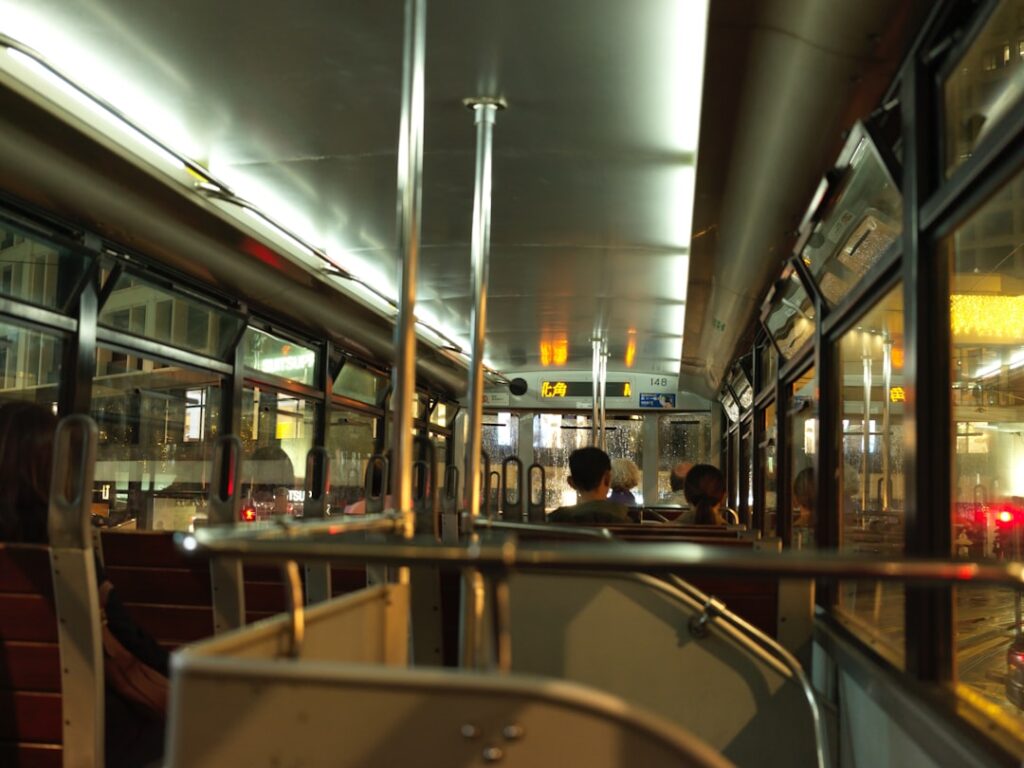
On the tram: picture the muted rumble of wheels as the fortress columns recede while you approach the riverbank. Across the way, former industrial buildings turned galleries and cafés create a striking contrast between imperial heritage and modern life. For a break, stop at café « Kompot » (near Petropavlovskaya Ulitsa) and try Russian pastries before strolling the embankments.
- Useful stops: Troitsky Most (Troitsky Bridge), Petropavlovskaya Krepost’ (Petrograd Island embankment), Peter and Paul Cathedral (Petropavlovskaya Ulitsa 3).
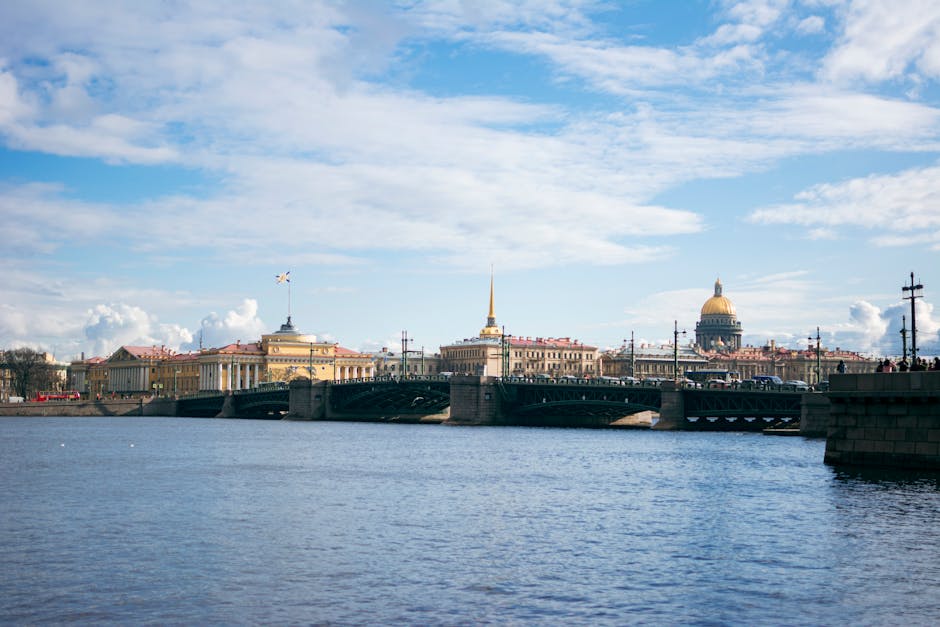
- Photo tip: Birzhevoy Bridge and the opposite bank are excellent at sunset; trams along the Neva let you sample several viewpoints without changing transport.
- Combo: tram + ferry = double panoramas. Buy ferry tickets at the booth or via a local app.
3. Vasilievsky Island and the University Embankment: museums, markets and port architecture
Vasilievsky Island (Vasilyevsky Ostrov) is perfect for a multi-stop tram outing: university facades, naval academies and old quays. Take a tram across the bridge to the island and get off near the Strelka of Vasilievsky Island (Vasilievsky Ostrov, Strelka area, near English Embankment) for sweeping Neva and city center panoramas. Useful address: Strelka Vasilievskogo Ostrova, Birzhevoy Prosp., Saint Petersburg 199034.
Museums nearby include the Hermitage’s Ceramics Museum (part of the main complex) and several small contemporary galleries. The island’s main avenue, Universitetskaya Embankment, is lined with classical buildings and antique shops. Tram hours to Vasilievsky: 06:00–23:30; frequency 10–20 minutes. Single ticket ≈ €0.80. For a longer route, combine tram + local bus to reach the port end and historic docks.
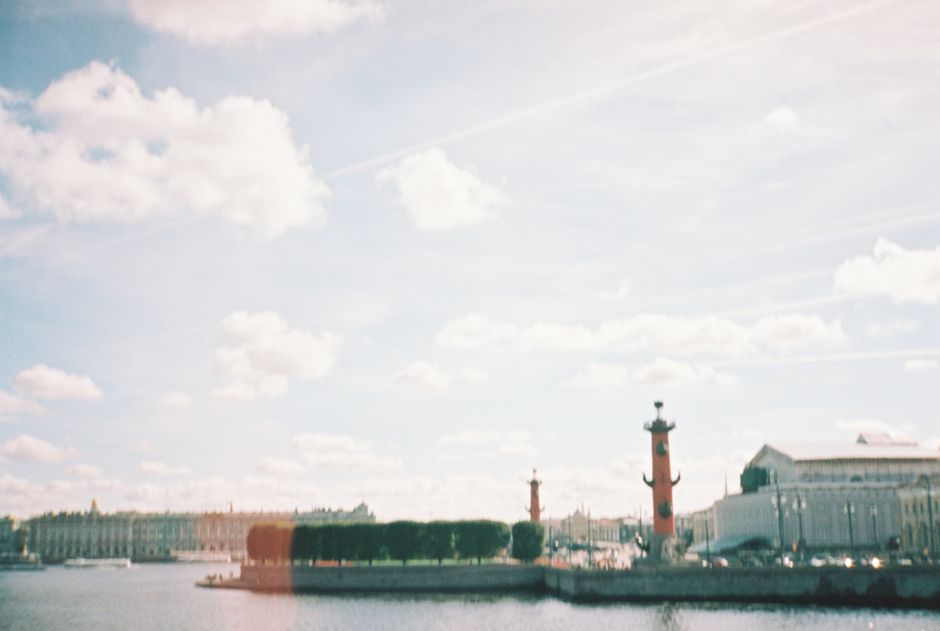
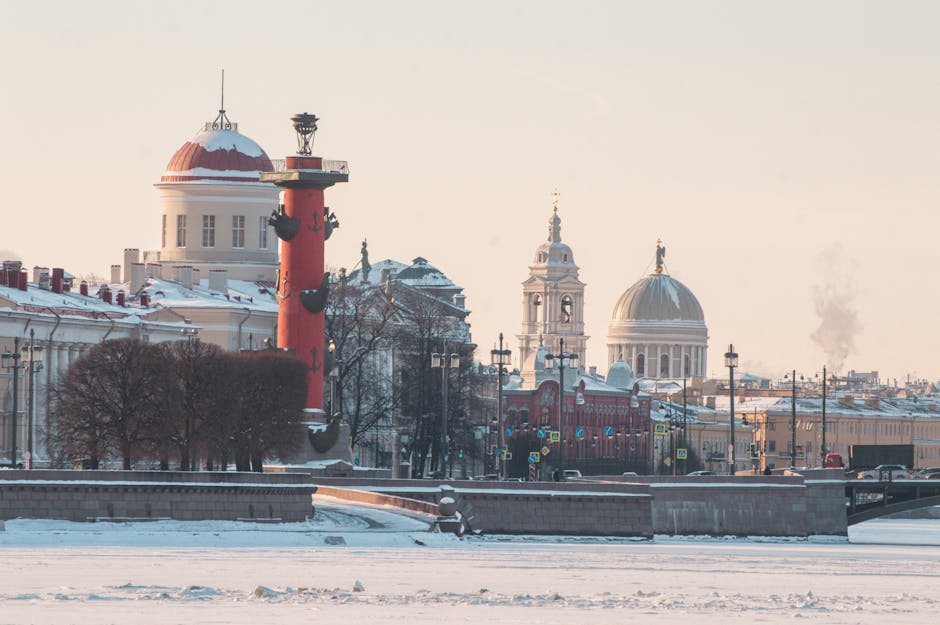
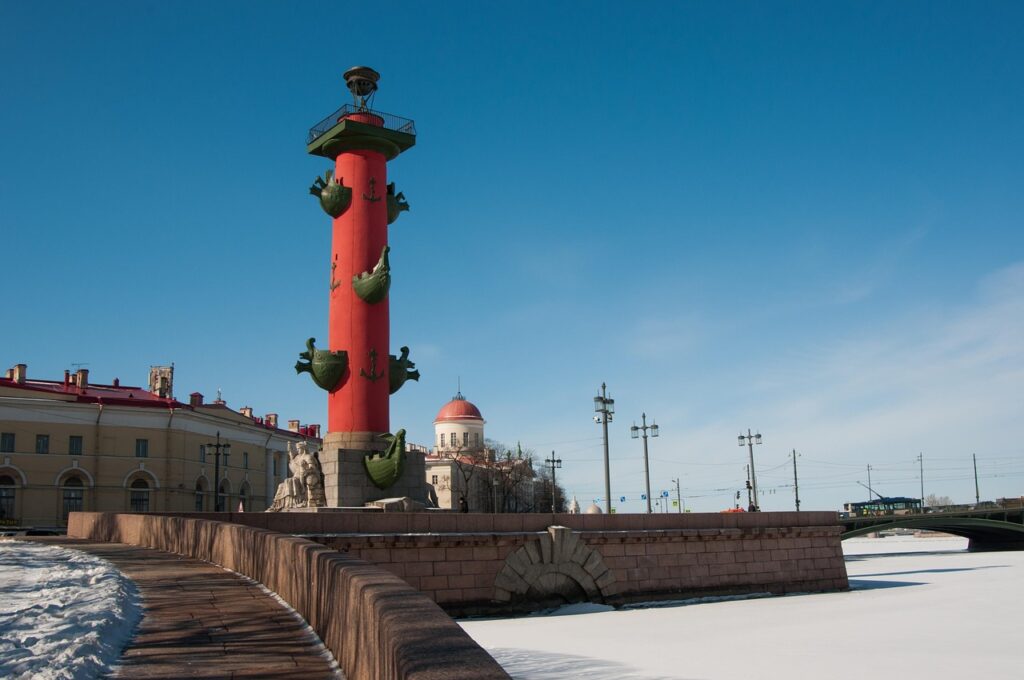
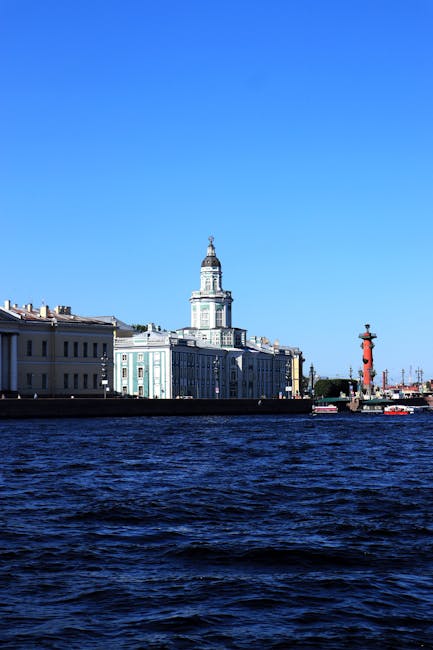
On the tram toward Vasilievsky you’ll feel like you’re stepping back into an era of explorers and scholars. Stern academic facades alternate with warehouses transformed into cafés and studios. At the Strelka, you’ll see the rostral columns — maritime symbols of the city — and can photograph the historic center across the river. For a genuine lunch, try the local market at Vasilievsky Market (around Sredny Prospekt 18, local vendors) where regional produce is sold cheaply (meals ≈ €5–12 depending on choice).
- Major sites: Strelka of Vasilievsky Island (Birzhevoy Prosp., Strelka area), Kunstkamera – Peter the Great Museum of Anthropology and Ethnography (Universitetskaya Embankment 3, entrance ≈ €4–7).
- Local tips: walk down to the quays to watch boats and avoid crowded tourist circuits; bring a jacket even in summer — the Neva wind can be chilly.
- Things to do: visit artists’ studios, sip coffee in river-facing cafés, browse antique shops on Sredny Prospekt.
4. Night Rides and Practical Advice: tickets, safety and best times
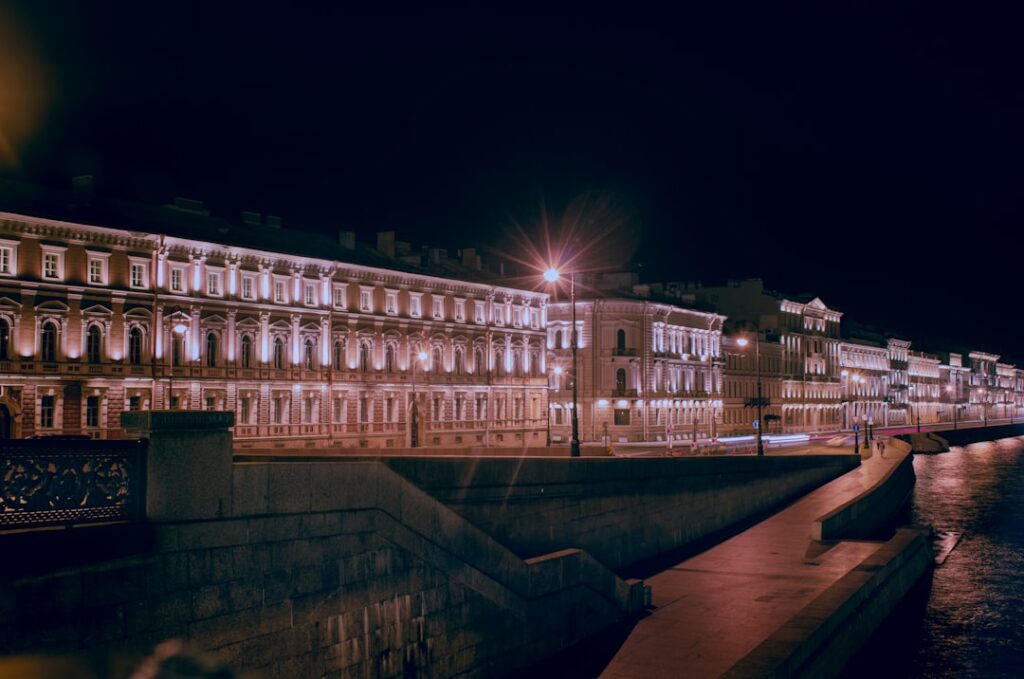
Saint Petersburg changes at night: bridges lift in the small hours, facades glow and the tram becomes a quiet way to follow the Neva. Night tram services vary by line; generally, main trams run until midnight. After that, frequencies drop and some routes stop running — at which point a licensed taxi or the metro (if nearby) is a better option. The metro normally runs from 05:30 to 00:00.
Prices and tickets: as noted, a single tram trip ≈ €0.80. Tickets can be bought on board, at certain kiosks, or via mobile app. The rechargeable Troika card is recommended if you plan multiple trips: initial purchase ≈ €1.50 + top-up (reduced per-trip fares from about €0.60 when using the card). Tourist passes (24h/72h) ≈ €4.50 / €11.50 respectively (check availability and conditions at kiosks).
Safety: trams are generally safe. Stay alert for pickpockets, especially in tourist-heavy areas (Nevsky Prospekt, Palace Square). Don’t leave belongings unattended and keep your bag in front of you. Ticket checks can happen on board; keep your ticket until the end of your ride.
Best times to travel: sunrise (05:00–08:30) for soft light on facades; late afternoon (16:00–19:30) for Neva sunsets; avoid 08:00–10:00 and 17:00–19:00 on weekdays when trams are crowded. To see the bridges open (the drawbridges), plan between midnight and 04:00 depending on the season — check local timetables as times vary with the maritime calendar (main drawbridge season: late April to late November).
- Ticket tip: buy a Troika card if you’re staying 3 days or more; it’s valid on metro, buses and some ferries.
- Nocturnal photo tip: sit on the Neva-facing side to capture the light on bridges and palaces; use a tripod on the quays — not on the tram.
- Useful numbers: official tourist information points on Nevsky Prospekt (Nevsky Prospekt 14) and the Yandex.Taxi app for night rides if needed.
Conclusion — Planning Your Tram Trip in Saint Petersburg
The tram network in Saint Petersburg is more than transport: it’s a way to read the city. Focusing on routes along Nevsky Prospekt, the Neva, and to Petrogradsky and Vasilievsky Islands will bring you imperial panoramas, maritime quarters and university districts. Plan routes that mix tram, walking and the occasional ferry to maximize viewpoints. Costs are low: a single ride ≈ €0.80 and day passes from ≈ €4.50. Check local timetables, especially if you travel at night or plan to watch the bridges open — these moments are magical but need planning.
For a first three-day trip, pair the center loop for museums and churches, a Neva crossing for the fortress and Petrogradsky, and a full day on Vasilievsky Island for architecture and the market. Bring a windproof jacket, comfortable shoes and a charger for your camera — the light changes fast and photo opportunities are everywhere. Follow local rules (valid tickets, queueing etiquette), and don’t be shy to chat — locals often enjoy swapping tips on cafés and studios to explore.
Finally, remember schedules and prices can vary seasonally and with local decisions. Before you go, verify updated info at official Saint Petersburg tourist information points (for example, offices on Nevsky Prospekt) or via the local transport app. Enjoy the gentle clack of the rails, golden facades and glossy Neva quays: the city will tell you its story at the tram’s pace.