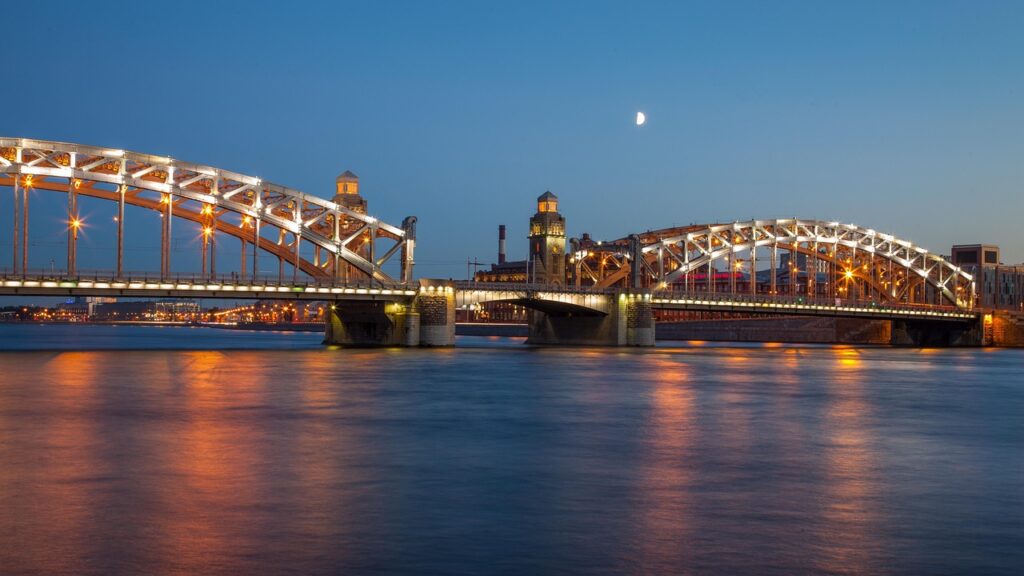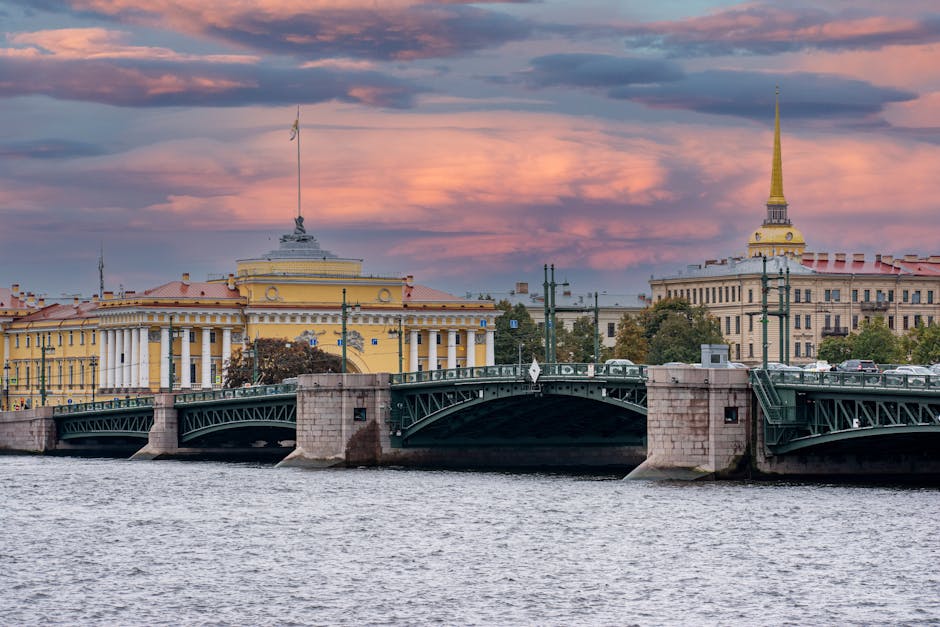





Introduction — A free cultural day in Saint Petersburg
Saint Petersburg is a city where every street tells a story, where imperial architecture flirts with neoclassical canals, and where its wealth of museums competes with the major cultural capitals of Europe. For the savvy traveler or curious local, it’s entirely possible to craft a full day of discoveries without spending a penny on admission. This guide lays out a thoughtful route through five free museums in Saint Petersburg, selected for their historical interest, unique themes and convenient locations. The aim is to offer a full day balanced between historical immersion, folk art, technical oddities and local atmosphere, with practical info — exact addresses, typical opening hours, local tips and evocative descriptions — so your visit is smooth and memorable.
Before you set off, a few general tips: the weather in Saint Petersburg can change quickly; dress in layers and bring a lightweight raincoat. Public transport (metro, buses and trams) is efficient and cheap; the Saint Petersburg metro is a museum underground in its own right, with ornate stations and often fewer crowds than Moscow. Wear comfortable shoes: even in a single day you’ll walk a lot between museums. Finally, while these five museums were free at the time this guide was written, some municipal sites may offer periodic free days, charge for temporary exhibitions or close unexpectedly; check official sites or call ahead to avoid disappointment.
The suggested route favors progressive discovery: start with a place rooted in everyday and industrial heritage, continue with writers’ and artists’ house-museums that illustrate the city’s intellectual life, move on to a museum of folk objects and decorative arts, then visit a space dedicated to local memory, and finish at an urban history museum that gives a synthetic overview of the city’s evolution. Each stop includes practical details (exact address, hours, price noted in euros to reflect free entry), an immersive description to help you picture it, and local tips (best time to visit, nearby cafés, access quirks).
This guide is designed for an easy pace: opening around 10:00 and wrapping up around 18:00, with coffee and lunch breaks included. Suggested visit durations (generally 45 to 70 minutes per museum) leave time to wander, take photos and enjoy nearby gardens or quays. If you have less time, pick two or three stops from the five. If you have more time, linger in your favorite museum or explore the nearby streets, full of urban poetry and small historic cafés.
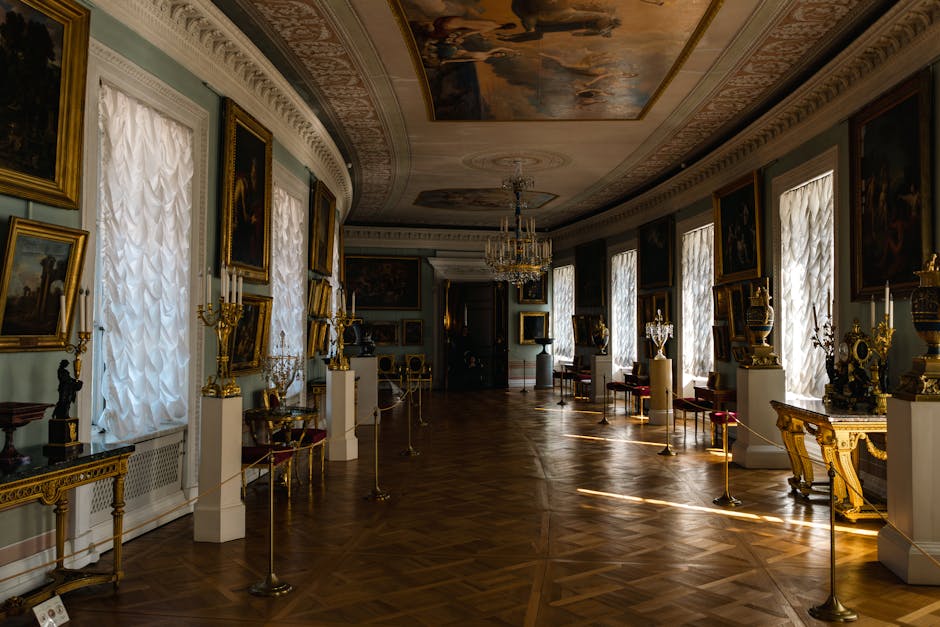
1. Saint Petersburg Museum of Electric Transport — The story of trams and trolleybuses
Full name: State Museum of Electrical Transport (Museum of the History and Technology of Electric Transport)
Address: Vyborgskaya naberezhnaya, 51, Saint Petersburg, 199106, Russia
Price: Free entry — €0.00 (donations sometimes accepted)
Hours: Usually open Tuesday to Sunday, 10:00–17:00; closed Monday. Check seasonal hours before you go.
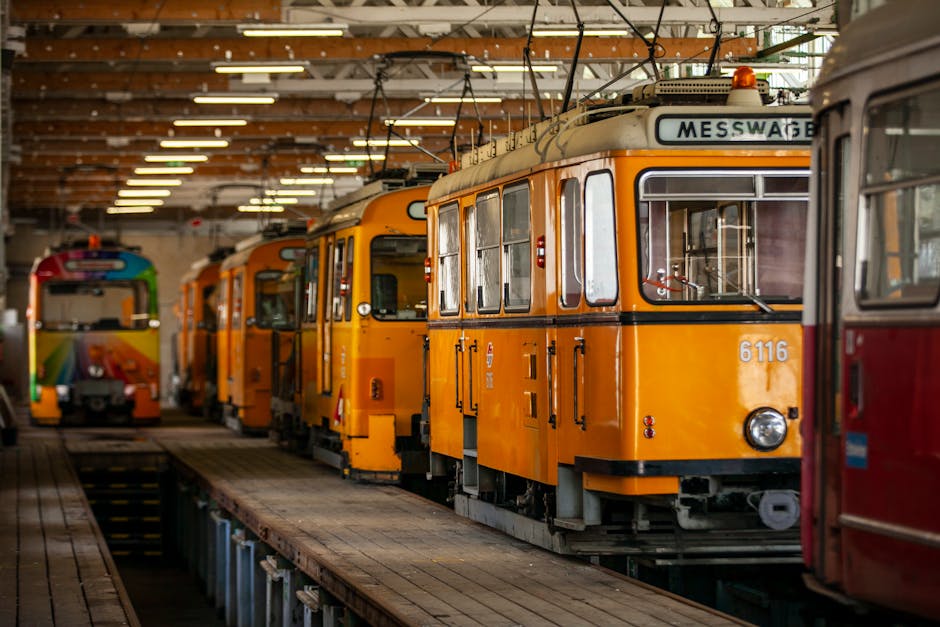
The Museum of Electric Transport is a fascinating dive into Saint Petersburg’s everyday history. Housed in a former depot, it showcases an impressive collection of trams, trolleybuses and vintage vehicles, some dating back to the early 20th century. From the approach you feel an industrial atmosphere reworked into a museum: tracks, metal sheds and the massive silhouettes of cars that tell stories of routes, seasons and urban change. Inside, restored vehicles retain period details — wooden seats, signage, running boards — offering a tactile sense of the city’s technical past.
The displays follow a chronological layout: from the first horse-drawn trams to the electric cars of the 1960s, each vehicle is accompanied by information panels in Russian and English and old maps showing the network’s evolution. The museum also houses technical parts — motors, controllers, identification plates — plus archival documents like tickets, photographs and service posters. For photographers, the light filtering through the depot’s large windows highlights the colors and textures of the polished bodies.
Local tips: arrive in the morning to avoid school groups and enjoy softer light for photos. Allow 45–60 minutes for a full visit; the museum is partially accessible, but some vehicles require climbing steps. Nearby Vyborgskaya station and several local cafés offer break options; try a local coffee or a blini before you head on. Special events and vintage vehicle rallies can happen on weekends — check the museum’s calendar.
2. Anna Akhmatova’s Apartment Museum at the Shuvalov Palace — Literary intimacy in the cultural Hermitage
Full name: Apartment Museum of Anna Akhmatova (Annex of the Anna Akhmatova Museum at the Shuvalov Palace)
Address: Naberezhnaya reki Fontanki, 34, Saint Petersburg, 191023, Russia (Shuvalov Palace / Fontanka Embankment, 34)
Price: Free entry — €0.00 (access often organized in timed sessions; check how to book)
Hours: Typically open Wednesday to Sunday, 11:00–18:00; closed Monday and Tuesday. Some exhibitions or guided tours may require reservations.
Anna Akhmatova’s apartment museum occupies a historic flat converted into a place of memory and discovery around the life and work of the great Russian poet. The feel is distinctly intimate: soft salons, period furniture and discreetly hung paintings create a rare closeness with Akhmatova herself. Display cases hold manuscripts, letters, portraits and personal items — glasses, notebooks and everyday relics — that make poetic creation and the hardships she endured feel tangible.
The visit helps you understand not only the work but the political and social context Akhmatova lived through: revolutions, repression and Saint Petersburg’s literary scene. Audio excerpts of poems and recordings of readings punctuate the route, adding a sensory dimension. Volunteer guides and rotating displays often highlight correspondences with other writers, rare letters or first editions, which will thrill literature lovers.
Local tips: access may require prior registration on busy days; opt for a mid-morning visit to avoid groups. Be prepared for a contemplative atmosphere: this is a place of cultural reflection, and photography may be restricted in some rooms. After your visit, stroll along the Fontanka — the embankments offer charming views and good cafés for a light lunch. If you love poetry, bring a few Akhmatova excerpts to read in the small garden or on a bench by the canal.
3. Fedor Dostoevsky’s House-Museum — Follow the footsteps of a major novelist
Full name: F.M. Dostoevsky Museum‑Apartment (F.M. Dostoevsky Museum-Apartment)
Address: Kuznechny pereulok, 5/2, Saint Petersburg, 191028, Russia (Kuznechny Lane, 5/2)
Price: Free entry — €0.00 (special programs and guided readings may be ticketed)
Hours: Generally open Tuesday to Sunday, 10:30–18:00; closed Monday. Check hours for readings and literary events.
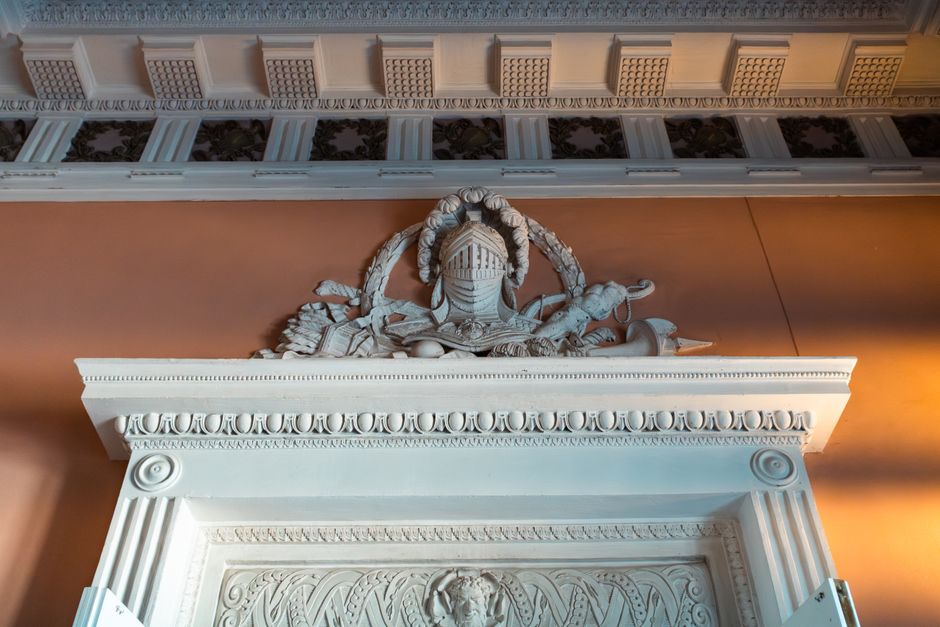
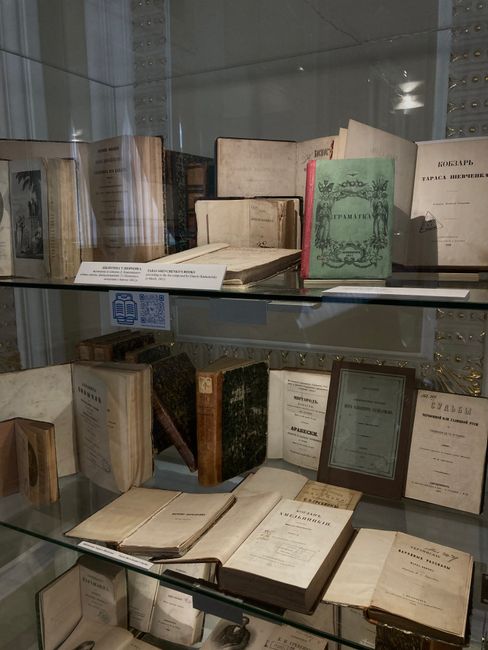
The Fedor Dostoevsky House-Museum is a place filled with atmosphere where visitors can feel the writer’s presence through the room layouts, exhibited manuscripts and preserved personal items. Housed in a typical historic building in the city center, the apartment recreates the environment where Dostoevsky worked, thought and welcomed his contemporaries. Rare editions of his works, letters, sketches and portraits form a biographical narrative that highlights his literary obsessions and the personal torments that fueled his novels.
The museum route is structured to guide visitors through different phases of Dostoevsky’s life: youth, exile, return to Saint Petersburg and his great productive period. You can read notebook excerpts and listen to readings of key passages, recreating the dramatic intensity of his texts. The small rooms with mouldings and high ceilings foster an intimate atmosphere suited to reflection; it’s an ideal place to see how the city itself inspired the author — its alleys, quays and taverns often appear in his descriptions.
Local tips: if you want to attend a reading or lecture, check the museum calendar and reserve ahead when necessary. Visits last between 45 minutes and an hour; fans should budget more time if they wish to discuss with staff. Afterward, wander the Kuznechnyy neighborhood, where several independent bookstores and literary cafés let you extend the experience. Respect the museum’s mood: speak softly and note that photography may be limited in certain rooms.
4. Museum of Popular Art and Traditions — Everyday objects and craftsmanship
Full name: Museum of Popular Art and Traditions of Saint Petersburg (Museum of Popular Art and Traditions)
Address: Bolshaya Morskaya ulitsa, 49, Saint Petersburg, 190000, Russia (Bolshaya Morskaya St., 49 — central district)
Price: Free entry — €0.00 (some temporary exhibitions may be ticketed)
Hours: Usually open Tuesday to Sunday, 10:00–18:00; closed Monday. Extended hours during cultural events.
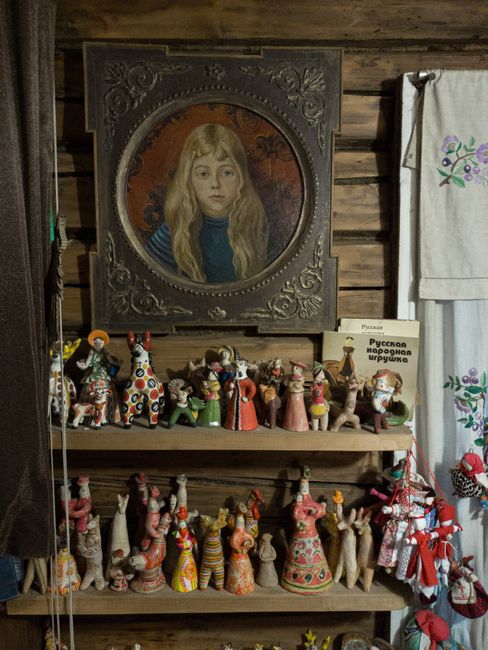
This museum offers immersion in Russian folk arts and the material traditions of the Saint Petersburg region. The collection includes textiles, regional costumes, ceramics, toys, household objects and craft tools. The real value here is how these items tell the story of daily life through the centuries: how people dressed, cooked, decorated and celebrated. Each object is displayed with detailed labels explaining its use, manufacturing techniques and social context.
The visit is especially rewarding for those interested in craft techniques: you’ll find explanatory panels on weaving, embroidery, wood painting (khokhloma) and traditional doll-making. Small cases show tools, patterns and fabric samples that make the artisans’ gestures and know-how tangible. To bring the experience to life, practical workshops and live demonstrations are sometimes offered, giving visitors a chance to try weaving or paint a small decorative item themselves.
Local tips: allow about an hour for the visit, longer if you plan to join a workshop. The museum’s central location makes it ideal for lunch afterward; head to Nevsky Prospekt to browse shops and cafés. If you buy souvenirs, choose small certified craft pieces — this helps support local makers. Labels are often available in Russian and English, but don’t hesitate to ask staff for more context about regional meanings.
5. Museum of Local Memory — Urban stories and community exhibitions
Full name: Museum of Local Memory of Saint Petersburg (Museum of Local Memory and Urban History)
Address: Ulitsa Petrogradskaya, 15, Saint Petersburg, 197046, Russia (Petrogradskaya Street, 15 — Petrogradsky district)
Price: Free entry — €0.00 (donations and paid educational activities possible)
Hours: Open Wednesday to Sunday, 11:00–19:00; closed Monday and Tuesday. Some evening events and documentary screenings.
The Museum of Local Memory is a hybrid space where visual archives, oral testimonies and temporary exhibitions intersect to explore Saint Petersburg’s social and urban transformations. Designed as a “living museum,” it emphasizes resident participation: collaborative shows, memory boxes and recorded life stories. It’s a valuable place to see the city not just through its monuments but through its people: residents’ voices, neighborhood maps, family photos and everyday objects compose the historical narrative here.
The displays are contemporary and accessible: multimedia stations to consult digital archives, listening booths for oral histories, and interactive panels that trace historical cycles (industrialization, war, reconstruction, everyday life under different regimes). Temporary exhibits cover varied themes — memories of local artists, neighborhood shops, solidarity during crises — and are often paired with public meetings and educational workshops.
Local tips: the museum buzzes in the late afternoon when talks or screenings take place. Set aside time to explore the digital archives — you’ll find photos of neighborhoods that have since changed, which greatly enriches any subsequent walk around the city. The Petrogradsky district is lovely to stroll through after your visit; look for a riverside café or a small wine bar to end the day gently. Staff are generally open to conversation; ask for themed walking route suggestions based on current exhibitions.

Conclusion — Make the most of your day and practical recommendations
In a single day you can assemble a rich, coherent route through five free museums in Saint Petersburg, each offering a different window onto the city: technical and industrial, intimate and literary, popular and artisanal, then memorial and community-focused. The suggested itinerary alternates quieter house-museums with more interactive exhibitions (technical and folk art museums), conserving energy and curiosity throughout the day. To make the most of it, start early (opening around 10:00) and alternate visits with long breaks for lunch and wandering, taking in the urban beauty that surrounds each museum.
Practical essentials: always double-check opening days and hours before you go — some museums close on Mondays or reduce hours in low season. Even when admission is free (€0.00), some institutions require prior registration for groups or timed free tickets to be reserved online; consult the museums’ official websites and social feeds. Bring a small notebook for notes or sketches: literary museums and Akhmatova’s house-museum are places where inspiration can strike at any moment.
Transport: use the metro to save time between central areas and Petrogradsky, but don’t hesitate to walk along the Fontanka and the Neva when the weather allows — these promenades are among the most beautiful ways to link the sites. For meals, scout a few cafés in advance: a quick lunch at a Russian canteen (stolovaya) or a more refined meal on Nevsky Prospekt can nicely round off the day. If you’re traveling off-season, check for one-off events — readings, intimate concerts or screenings — that can enrich your cultural experience.
Lastly, a few etiquette tips: in house-museums and memorial spaces, maintain a quiet, respectful demeanor, avoid photos where they are forbidden and follow staff instructions. By taking part in workshops and talking with volunteers, you support the cultural vitality of these free institutions. Saint Petersburg quietly offers a generous lesson: culture can be accessible, vibrant and shared. Use this day to let the city speak to you — its free museums are gateways to intimate and collective stories, and a perfect introduction to the human richness animating Russia’s cultural capital.