





Introduction — The Saint Petersburg Metro: an underground gallery at the heart of history
The Saint Petersburg Metro (Санкт‑Петербургский метрополитен) is far more than a transit network: it’s an underground art gallery, a showcase of Soviet architecture, and an essential part of daily life in Russia’s second city. Opened in 1955, the system has expanded over decades to serve both central and outlying districts, carrying millions of passengers each week. For visitors, riding the metro in Saint Petersburg is a twofold experience: efficient transport and cultural discovery — from historic mosaics to marble columns, every station tells a story.
In this detailed and practical guide I’ll take you on a full immersion: a concise history of the network, descriptions of the most remarkable stations (with addresses and landmarks), practical info on fares in euros, operating hours, and local tips to make the most of your journeys. You’ll also find curiosities and anecdotes that make this metro unique — for example, the extreme depths of some stations, their lavish décor created to celebrate national themes, and the little everyday habits of St. Petersburg’s residents.
This guide is for first-time visitors preparing their trip as well as urban transit enthusiasts who want deeper knowledge. I aim to be precise and pragmatic: exact addresses where available, fares converted to euros to help budgeting, typical schedules, and safety and etiquette tips. You’ll learn how to buy and top up a Troika card, where to find the most photographed stations like Avtovo or Admiralteyskaya, and which routes to favor for a cultural circuit (the Hermitage, Nevsky Prospekt, the Peter and Paul Fortress).
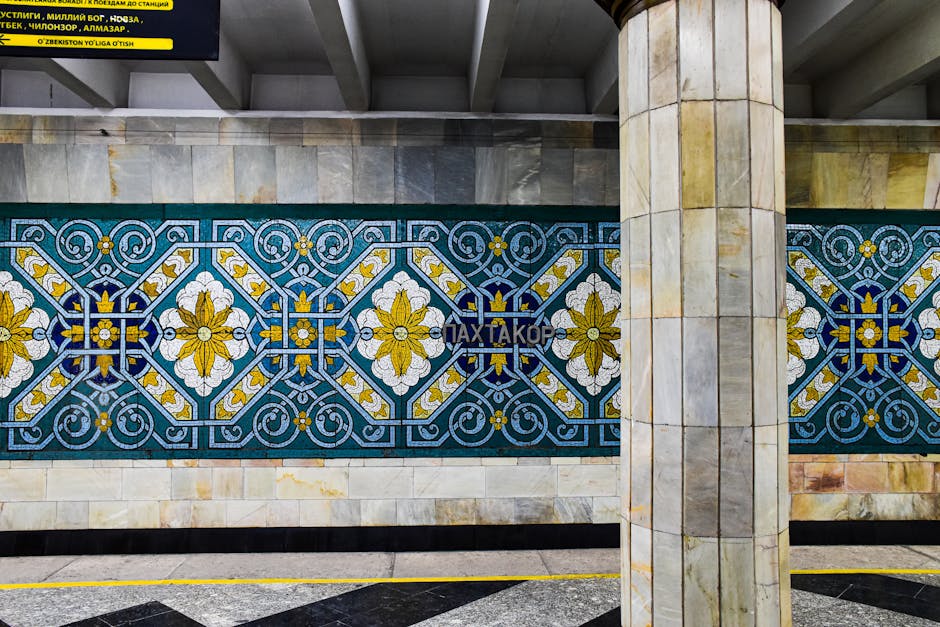
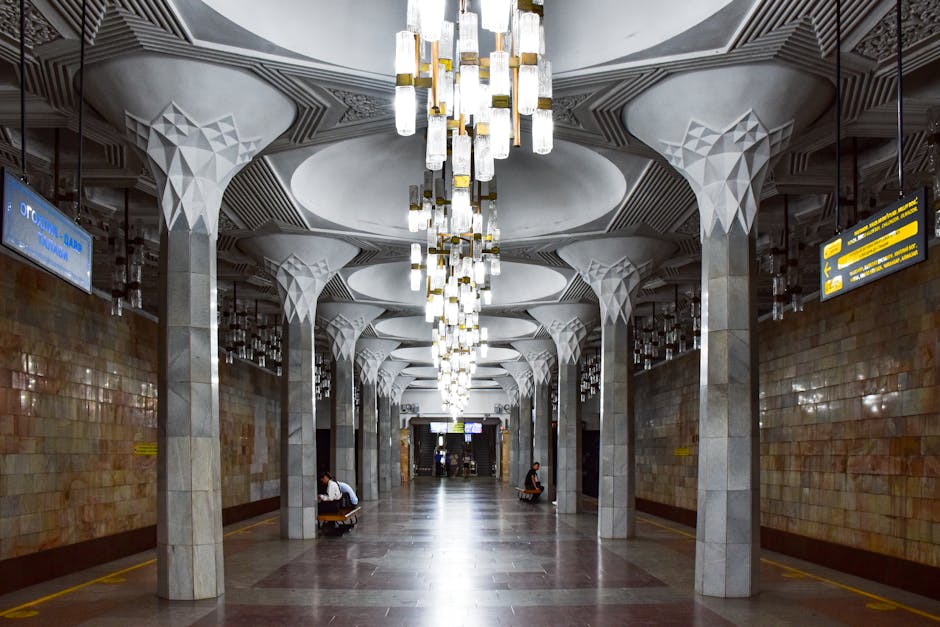
Throughout the article you’ll see image markers to help visualize the places mentioned — panoramas of richly decorated platforms to close-ups of striking mosaics and chandeliers. These visual cues will help you plan your shots and recognize the most spectacular stations. The Saint Petersburg Metro is an immersive experience: take the time to look around, walk between nearby stops when you can, and above all enjoy this dive into the city’s architectural and historical soul — a city that has always liked to show off, even underground.
History and origins of the Saint Petersburg Metro (development and context)
Construction of the Saint Petersburg Metro began amid a complex historical and technical backdrop. Early plans date back to the 1900s, but it wasn’t until after World War II that the need for a modern network became clear. The official opening took place on November 15, 1955, linking central sections and answering a growing demand for urban mobility. The initial routing prioritized connections between Soviet industrial and residential zones while providing quick access to the historic center.
The network grew in phases: first the north–south axis (Line 1 — Kirovsko–Vyborgskaya), then east–west lines and various radial and intermediate circular routes. The 1960s to 1980s saw steady expansion, with the opening of deep-level stations adapted to local geology (the Neva delta’s alluvial soil) and civil defense requirements. Some stations were designed to double as nuclear shelters, which explains their depth and structural robustness.
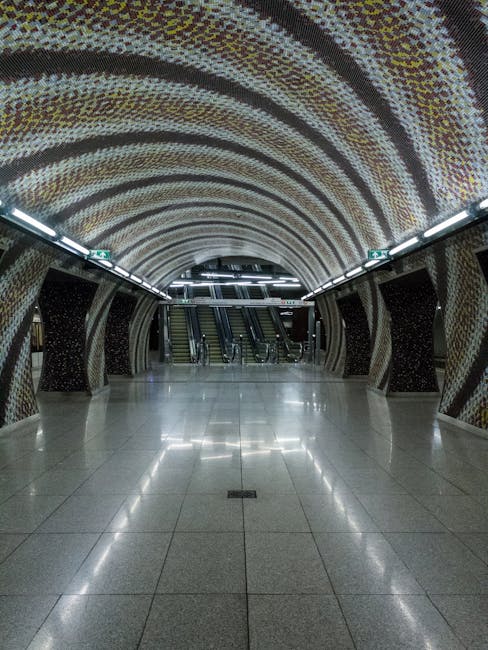
Another distinctive feature is the aesthetic. Unlike many modern metro systems, Saint Petersburg’s retains a monumental character. Architects and artists decorated numerous stations with marble, mosaics, bas-reliefs, and chandeliers, often to symbolize patriotic, industrial, or cultural themes. Station names recall the city’s and country’s history: Avtovo, Narvskaya, Ploshchad Vosstaniya (Uprising Square), and more recently Admiralteyskaya (referencing the Admiralty and ships).
The current network includes several lines (Kirovsko–Vyborgskaya — Line 1, Moskovsko–Petrogradskaya — Line 2, Nevsko–Vasileostrovskaya — Line 3, Pravoberezhnaya — Line 4, Frunzensko–Primorskaya — Line 5, plus ongoing extensions and new branches). The total length exceeds 125 kilometers and the fleet serves over a hundred stations. Modernization continues: extensions to suburbs, renovation of older stations, introduction of contactless payment systems and multilingual information screens.
Understanding this history helps visitors appreciate the network’s richness: every station is a page of history, a fragment of the city’s story. Guided metro tours are available and let you explore this underground architecture. These tours often include Avtovo (famous for its glass columns), Moskovskaya and Admiralteyskaya (for their proximity to the Admiralty and the Hermitage), as well as lesser-known stations with surprising artistic details.
Remarkable stations: addresses, descriptions and photography tips
Several Saint Petersburg metro stations deserve a dedicated visit. Here’s a detailed selection with approximate addresses (main entrance or landmark), immersive descriptions, and practical photography tips.
-
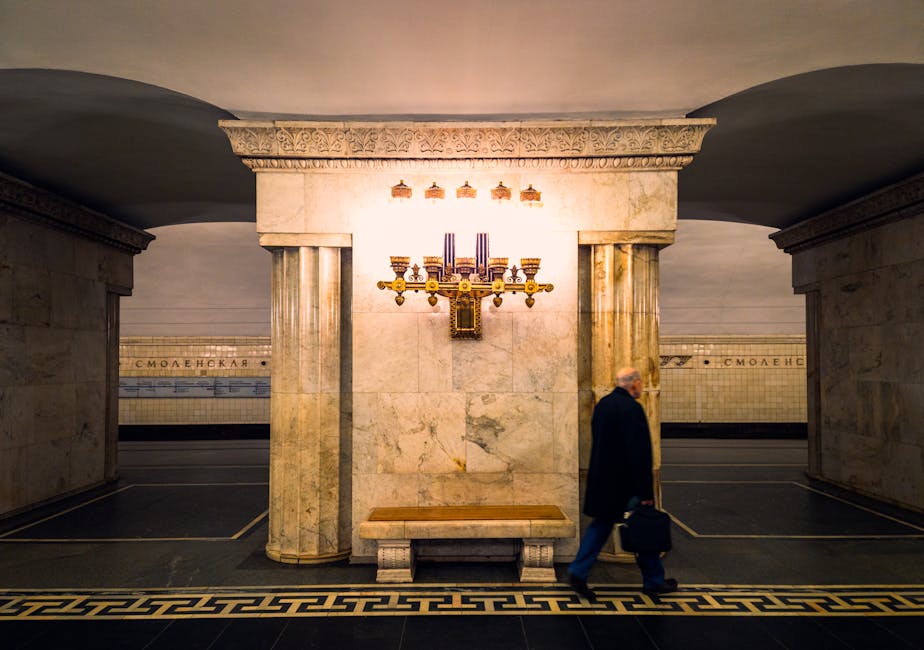
Avtovo (Автово) — Address: Avtovsky Prospekt, 18, Kirovsky District, Saint Petersburg, 190015, Russia. Description: famous for its laminated glass columns and palace-like style. The wide platforms and soft lighting create an almost theatrical atmosphere. Photography: late morning is best to avoid peak crowds.
-
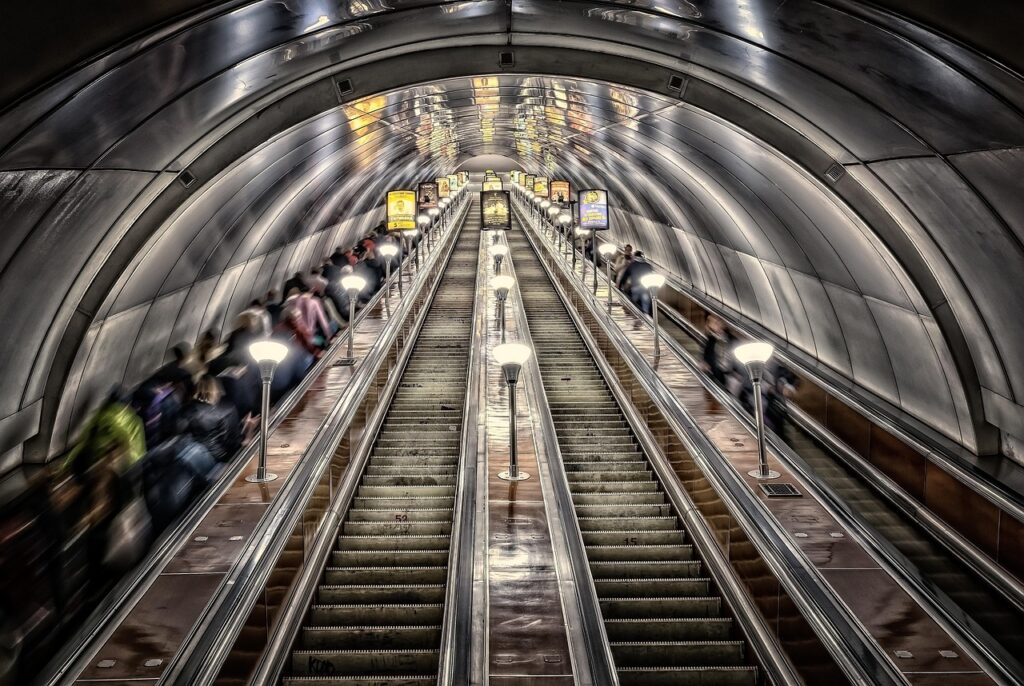
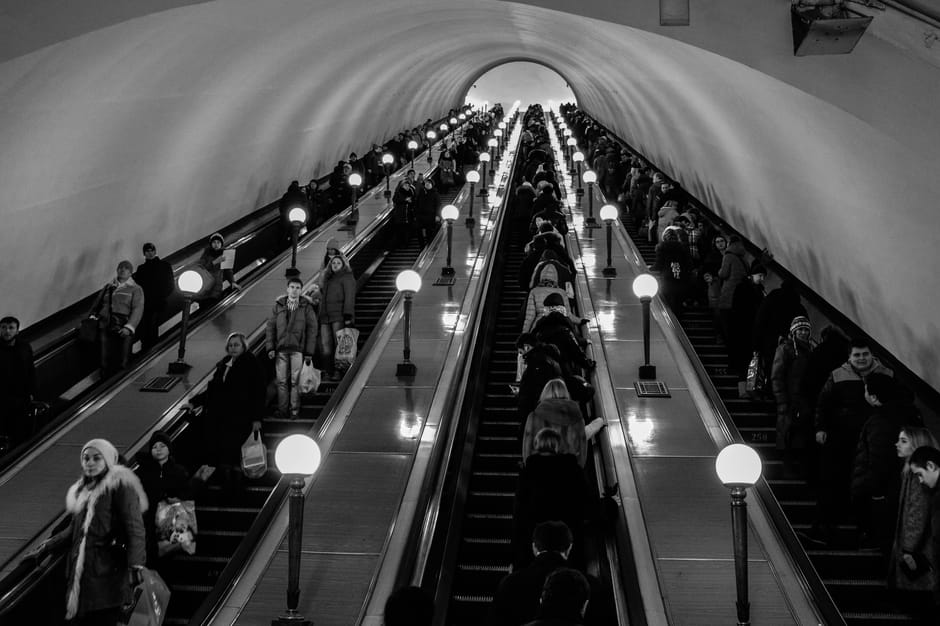
Admiralteyskaya (Адмиралтейская) — Address: Near Admiralteysky Prospekt, Admiralteysky District, Saint Petersburg, 191186, Russia. Description: one of the deepest stations in the network, with access close to Palace Square and the State Hermitage Museum (The State Hermitage Museum, Palace Square, 190000). The ceilings and bas-reliefs evoke the Russian navy. Photography: capture the perspective from the bottom of the long escalators for a dramatic effect.
-
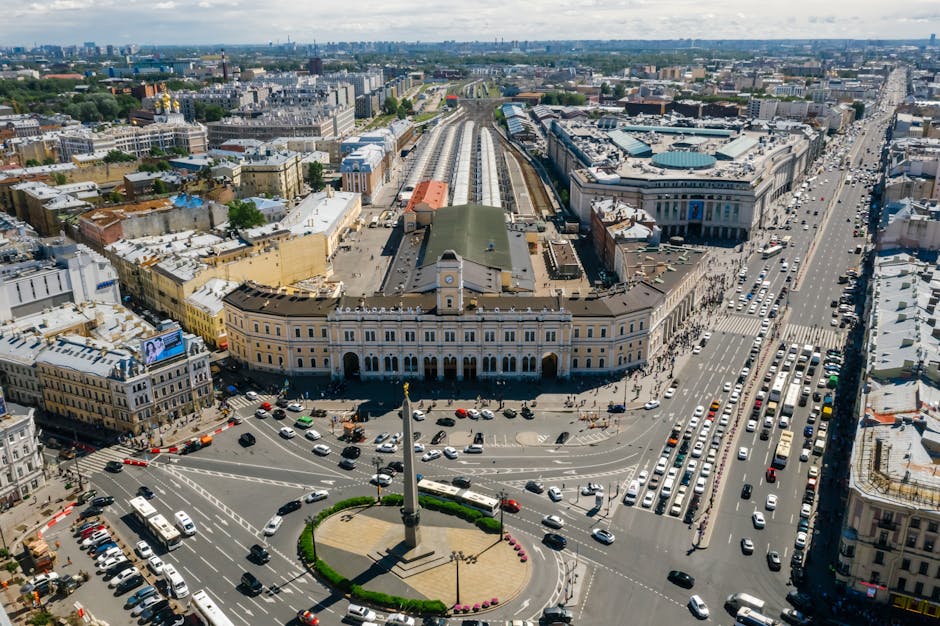
Ploshchad Vosstaniya (Площадь Восстания) — Address: Intersection of Nevsky Prospekt and Ligovsky Prospekt, Tsentralny District, Saint Petersburg, 191025, Russia. Description: a central hub and intermodal node (connection to the Moskovsky Railway Terminal). Bustling atmosphere, ideal for watching city flow.
-
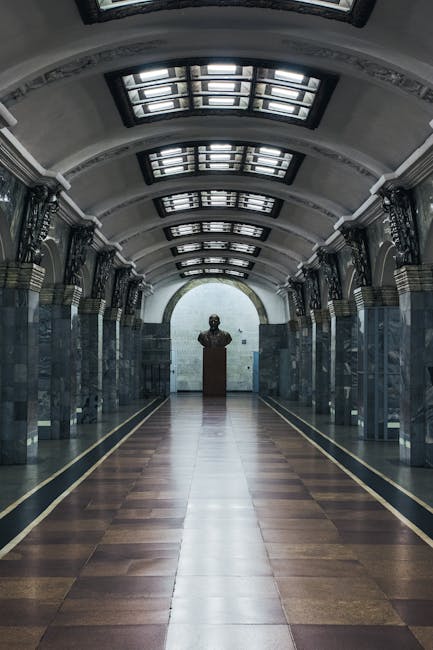
Kirovsky Zavod (Кировский завод) — Address: Prospekt Stachek 89, Kirovsky District, Saint Petersburg, 198015, Russia (industrial area/landmark). Description: station with an industrial décor, mosaics themed around workers and technology. Tips: shoot close-ups of the mosaics and any vintage signage.
-
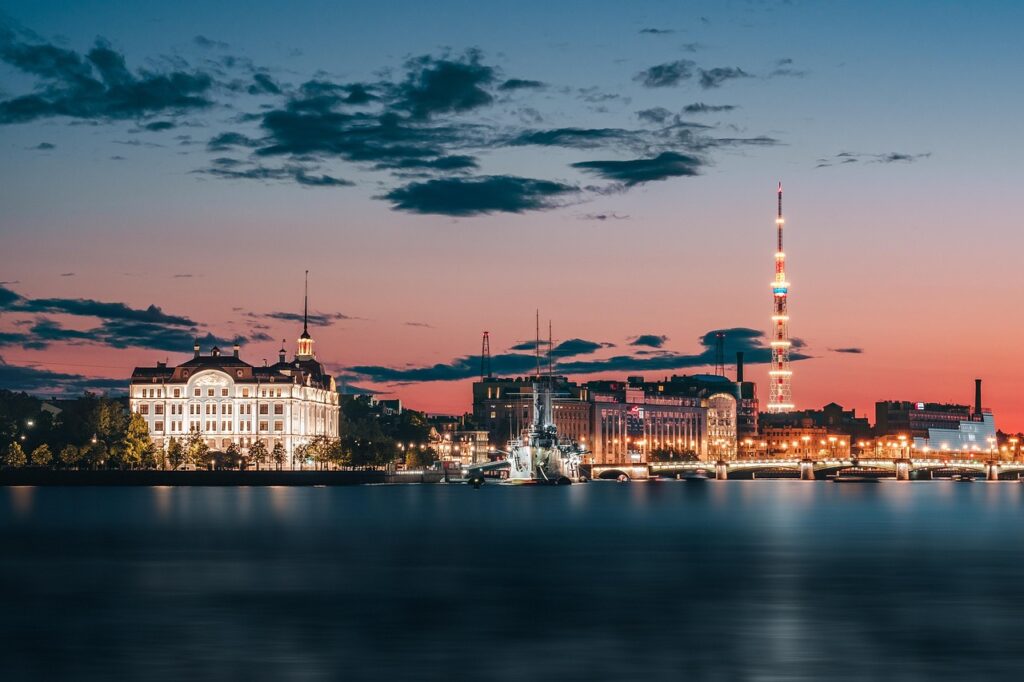
Sportivnaya (Спортивная) — Address: Petrogradskaya Embankment near Bolshoy Prospekt, Petrogradsky District, Saint Petersburg, 197046, Russia. Description: close to the sports complex and the Neva embankment, great in the early evening for shots of illuminated platforms and river views.
For each station, follow local rules: flash photography is banned in some areas, and avoid blocking escalators or exits. If you want photos without people, try early morning or between 11:00 and 15:00 on weekdays. Deep stations often produce remarkable light effects for portraits or architectural shots, so bring a wide-angle lens and adjust ISO accordingly.
Fares, tickets, hours and practical logistics
Getting around on the Saint Petersburg metro is cheap and fairly straightforward for tourists. Here are the essential practical details, expressed in euros to make comparisons easier.
Fares (approximate; conversions subject to exchange rate fluctuations):
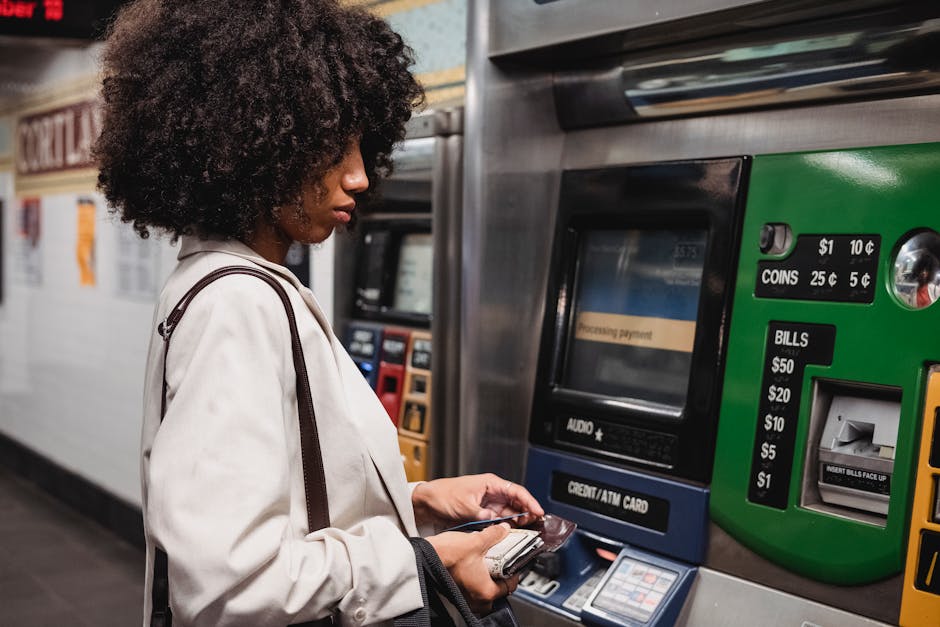
- Single journey: around €0.70 (standard single fare — roughly 55 to 60 RUB depending on the rate). Purchase at the turnstile or ticket machine.
- Troika card: a rechargeable card is recommended (initial deposit approximately €0.70 plus top-ups). Benefits: lower per-ride cost and convenient, often avoiding queues. You can top it up at ticket offices, machines and official kiosks.
- Passes: there isn’t a widely used unlimited tourist pass like in some cities, but 10-ride cards or prepaid credit bundles exist (prices vary; expect €6–8 for multiple trips). Check ticket office rates for exact prices in euros or rubles.
Hours:
- Operating hours: generally from 05:30 to 00:30. Times may vary slightly by line and on holidays. Escalators in very deep stations run continuously during operating hours.
- Frequency: during peak hours (07:00–09:30, 16:30–19:00) trains run every 2–3 minutes on main axes; off-peak every 5 to 8 minutes.
Buying and validating tickets:
- Single tickets and top-ups are available from multilingual machines and ticket offices. Machines accept cash (roubles) and international bank cards; if paying in euros, it’s recommended to exchange to rubles first to avoid conversion fees.
- Tap to validate at the turnstiles. Keep your ticket until exit in case of spot checks.
Accessibility and transfers:
Some stations have lifts and facilities for passengers with reduced mobility, but accessibility remains limited in older and deep stations. Transfers between lines are signed in English and Russian; look for the signage marked « Выход » (Exit) to find specific surface addresses.
Curiosities, local tips and safety — Experience the metro like a local
The Saint Petersburg Metro is packed with small details that make it a unique experience. Here are curiosities and local tips to get the most out of your journeys.
- Station depth: stations like Admiralteyskaya are among the deepest in Europe (over 86 meters), which means very long escalators. Allow extra time if you have an appointment.
- Décor and themes: mosaics, bas-reliefs and historical portraits — read the explanatory panels and commemorative plaques to understand each station’s theme.
- Etiquette: locals are discreet on the metro — don’t raise your voice, give up seats to the elderly, and respect queues. Drinking alcohol and eating on carriages is generally frowned upon.
- Safety: keep your belongings close as you would in any big city. Emergency intercoms are available on platforms. Random checks are rare but possible — keep your ticket handy.
- Useful apps: download planning apps like Yandex.Metro or Google Maps (transit mode) for routes and live schedules. Many apps offer offline options to save data costs.
Practical tips for photographers and architecture lovers:
- Best light: photograph stations around midday for more even lighting.
- Respect: avoid shots that block traffic flow and ask permission if you’re photographing people up close.
- Gear: a small travel tripod helps with long exposures, but check local restrictions in certain stations. A wide-angle lens and a camera that handles high ISO are recommended.
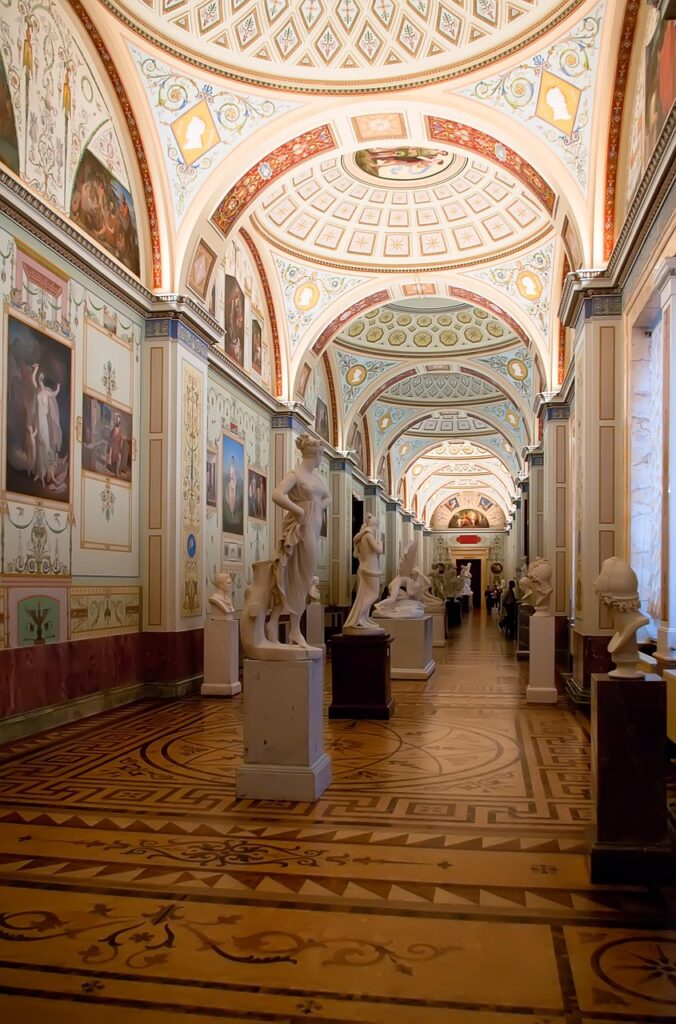
Finally, don’t hesitate to combine a metro visit with nearby attractions: for example, get off at Admiralteyskaya to visit the State Hermitage Museum (The State Hermitage Museum, Palace Square, 190000), or take the line to Ploshchad Vosstaniya to stroll up Nevsky Prospekt and explore its cafés and shops. The metro is not only a quick way to get around but a cultural route in its own right.
Conclusion — Practical and awe-inspiring
The Saint Petersburg Metro is both a highly practical mobility tool and a collective work of art. Its history, spanning imperial, revolutionary and Soviet eras, is written in the stone, marble and mosaics of its stations. For visitors it’s an invitation to slow down and look: every stop can become a discovery point, a small museum you can access as part of daily life. By sharing approximate addresses, usual hours (05:30–00:30) and fares converted to euros (single ride around €0.70), I wanted to give you concrete benchmarks to plan your trips and budget.
Functional and photogenic, the metro will take you to Saint Petersburg’s major sites (Palace Square, The State Hermitage Museum, Nevsky Prospekt) while offering unexpected architectural surprises off the beaten path. Attentive travelers will appreciate the artistic themes, station depths and local customs, while respecting everyday users. To make the most of your visit: get a Troika card, plan journeys with an app, and avoid rush hours if you’re after crowd-free photos.
In short, exploring the Saint Petersburg Metro will enrich your stay: it complements palace and museum visits by offering another perspective on the city’s history and identity. Continue your discovery by hopping off at a random station — sometimes the greatest treasures are the ones you didn’t plan to find.