




Introduction — Siberian freeze or mild chill? Why getting St. Petersburg winters right matters
St. Petersburg, often called the “Venice of the North,” is a city of dramatic beauty and rich cultural heritage. Built across islands and along the Neva River, the imperial city experiences winters that can vary wildly from year to year: some winters feel like true Siberian cold with temperatures well below freezing, biting winds and drifts, while others are relatively mild with temperatures hovering around 0 °C, freezing rain and a patchy snow cover. Understanding this variability is essential for travelers visiting St. Petersburg in winter so you can enjoy museums, palaces and canal strolls without being taken off guard by the cold or moisture.
This guide breaks down what “Siberian winter” versus “mild winter” means in St. Petersburg, explains the practical consequences for getting around, clothing choices, outdoor activities and cultural visits, and offers concrete tips on what to pack and where to buy or rent gear. We’ll also cover key landmarks — the Hermitage, Peter and Paul Fortress, Church of the Savior on Spilled Blood, options for Neva cruises — and recommend places to rent or buy warm equipment with addresses, opening hours and approximate prices in euros so you can plan with confidence.
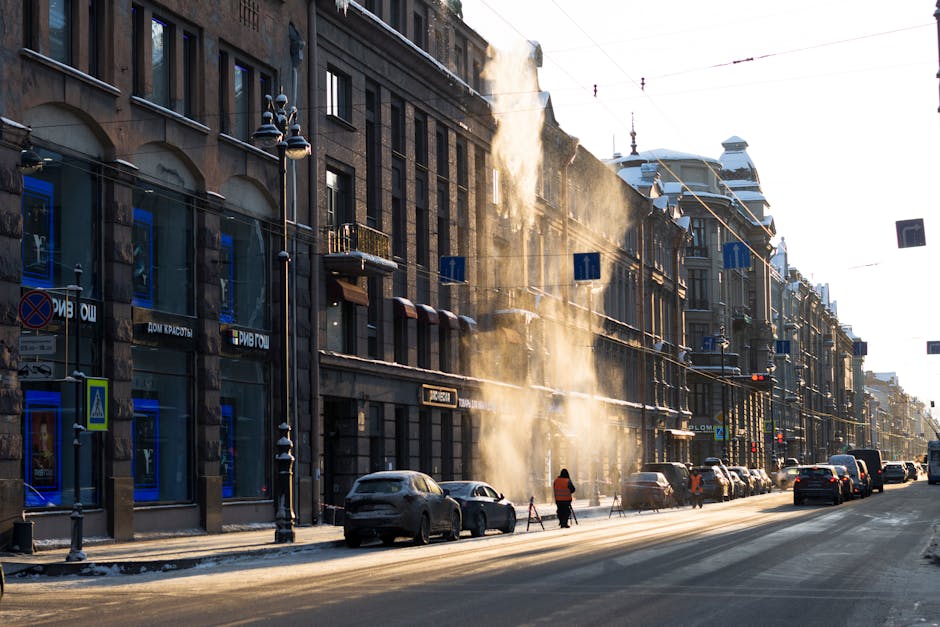
A “Siberian” winter in St. Petersburg typically means nighttime temperatures regularly dropping below -10 °C, often driven by winds from the Baltic Sea that intensify the wind chill. Sidewalks can be icy and packed with snow; frequent snowfall builds drifts around buildings and along the embankments. By contrast, a “mild” winter brings alternating spells of freezing rain, slightly positive temperatures and thawing snow that turns the city into a damp, muddy landscape more than a picture-perfect snowy scene. Each scenario calls for different gear: insulating layers and crampon-ready boots for cold, dry conditions; waterproof layers and non-slip soles for wet, mild winters.
This guide is aimed at independent travelers, photographers, families and business visitors. We’ll explain how to read forecasts, which items to assemble a functional winter wardrobe (base layers, insulation, shell, footwear, accessories), where to rent or buy gear in St. Petersburg with addresses and typical hours, and how to plan your visits to minimize discomfort. Finally, local tips will help you make the most of the city’s winter cultural life: concerts at the Philharmonia, evening visits to the Hermitage, cozy cafés like Singer Café on Nevsky Prospekt, and photogenic Neva sunrise routes.
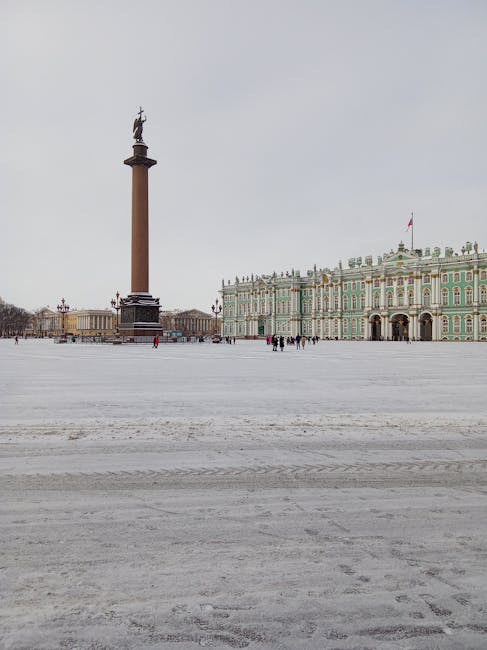
Understanding St. Petersburg’s winter climate: data, feel and variability
St. Petersburg sits where the Baltic Sea meets the vast Russian plains, producing a humid continental climate with maritime influences. Winters usually run from November through March, but their severity varies widely. On average, January — the coldest month — sees temperatures between -5 °C and -10 °C, but occasional cold snaps can push readings below -20 °C. Conversely, milder periods can lift temperatures to around 0 °C, often accompanied by freezing rain and fog.
Key point for preparing: the “felt” temperature can be very different from the official reading — wind off the Neva increases the sense of cold and makes walks along the quays tougher. Humidity quickly makes you feel cold even at moderate temperatures; thus 0 °C with wind and rain can feel harsher than a dry -5 °C. Winter precipitation alternates between powder snow, heavy wet snow and freezing rain; each presents different challenges: accumulation and insulating snow in the first case, slipperiness and dampness in the latter.
On a practical level, plan for these three scenarios:
- “Cold dry (Siberian) winter” scenario: insulating base layers (merino wool, down), a long waterproof-breathable coat, fur-lined or insulated boots, leather or lined gloves, an ear-covering hat, and a windproof scarf. Camera batteries drain faster in cold weather; bring power banks.
- “Mild wet winter” scenario: a waterproof shell with a membrane (Gore-Tex or equivalent), anti-slip soles, lightweight gaiters, and quick-drying synthetic base layers. Waterproof shoes and removable ice grips or anti-slip insoles are handy for icy sidewalks.
- “Mixed” scenario: layer insulating garments with a waterproof windproof shell, use a dry bag for camera gear, and carry spare gloves and socks if you plan to be out all day.
Weather tip: check reliable local sources every morning such as Roshydromet or international apps (MeteoBlue, Windy, Yandex.Weather) to anticipate gusts, freezing rain risks and snowfall. If you have outdoor plans (walks along the embankments, a boat trip on the Neva, viewpoints from St. Isaac’s), favor mornings without precipitation and adapt your clothing to wind direction (northwest-exposed quays are often colder).
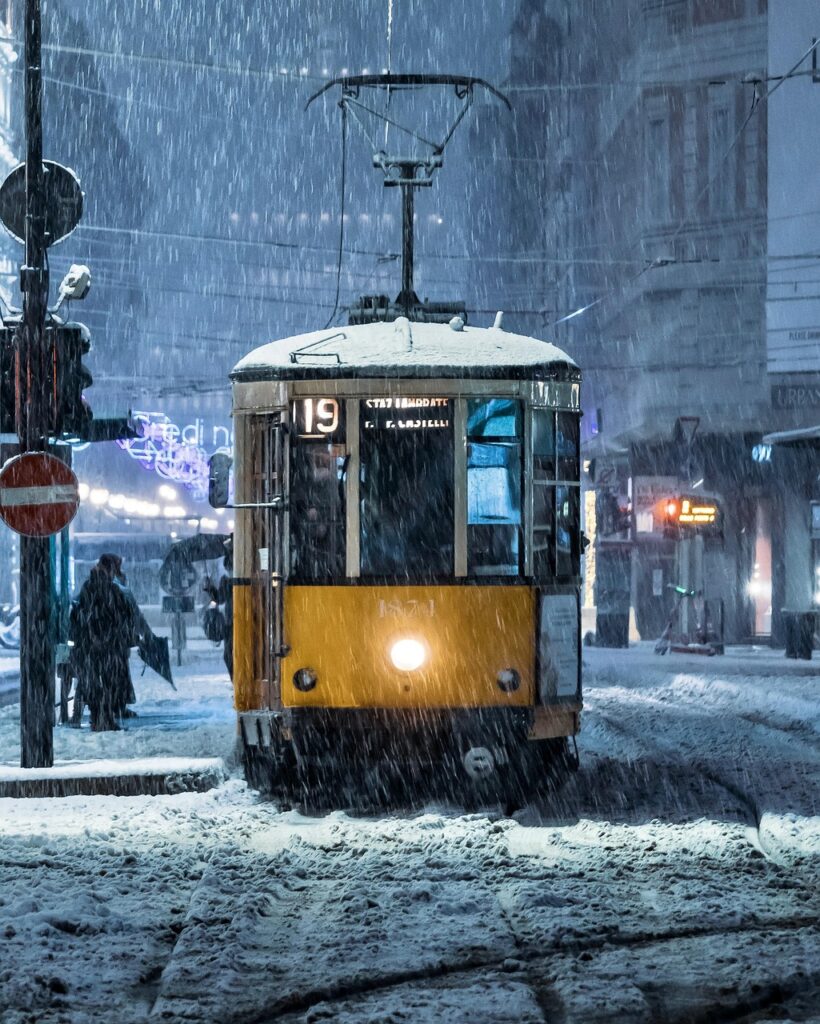
Dress like a local: detailed gear for every type of winter
Dressing properly in St. Petersburg means mastering the layering principle and choosing good-quality materials. Below is a detailed list of recommended items, how to combine them and examples of products you can find in the city. Prices are given in euros as a budgeting guide.
1) Base layers (next-to-skin): favor thermal underwear in merino wool or technical synthetic fibers. Examples: long-sleeve merino crew (around €40–80), thermal leggings (€30–60). These layers wick moisture and keep skin dry.
2) Insulation: a mid layer (fleece or lightweight down jacket) to retain heat. A compressible down jacket that’s light but warm costs between €80 and €250 depending on the brand and fill power. For Siberian-style winters, look for down with at least 600 fill power.
3) Shell / waterproof layer: a long waterproof-breathable parka (Gore-Tex or equivalent) is recommended for snow and freezing rain. Indicative price: €150–400. Watch the length: a parka that covers the thighs protects better from wind along the embankments.
4) Footwear: waterproof winter boots with insulation (Taiga-friendly). For very cold winters, fur-lined boots with insulated soles and strong grip cost €80–200. For milder winters, waterproof hiking shoes with Vibram anti-slip soles (€80–150) plus heated insoles or add-on anti-slip plates (€15–30) work well.
5) Accessories: ear-covering hat (€10–30), insulated gloves (€25–80) with a waterproof spare pair, windproof neck gaiter or scarf (€10–40), removable ice grips for boots (€10–25) depending on the season. Don’t forget wool or technical socks (€12–25 a pair) and a small urban survival kit (mini headlamp, disposable warmer packs €1–3 a pair, plasters).
Where to buy these items in St. Petersburg (addresses and typical opening hours):
- Sportmaster, Nevsky Prospekt 46, 191025 Saint Petersburg — a large Russian sporting goods chain. Hours: 10:00–21:00. Price range: jackets from ~€60, winter boots from ~€70.
- Decathlon Saint Petersburg (Tsentralny Mall), Ligovsky Prospekt 30, 191040 Saint Petersburg — affordable outdoor gear. Hours: 10:00–22:00. Prices: waterproof jackets from €40, anti-slip insoles €10–20.
- O’Planeta (outdoor store), Bolshaya Konyushennaya ulitsa 12, 191186 Saint Petersburg — technical selection for trekkers and photographers. Hours: 11:00–20:00. Prices: mid-to-high range technical gear, down jackets €120–300.
Practical tip: if you’re staying for a short time and don’t want to invest in gear, renting is a great option — many sports shops and rental services (search for “skirent” and “gear rental”) offer jackets, boots and snowshoes for €10–30 per day depending on the equipment.
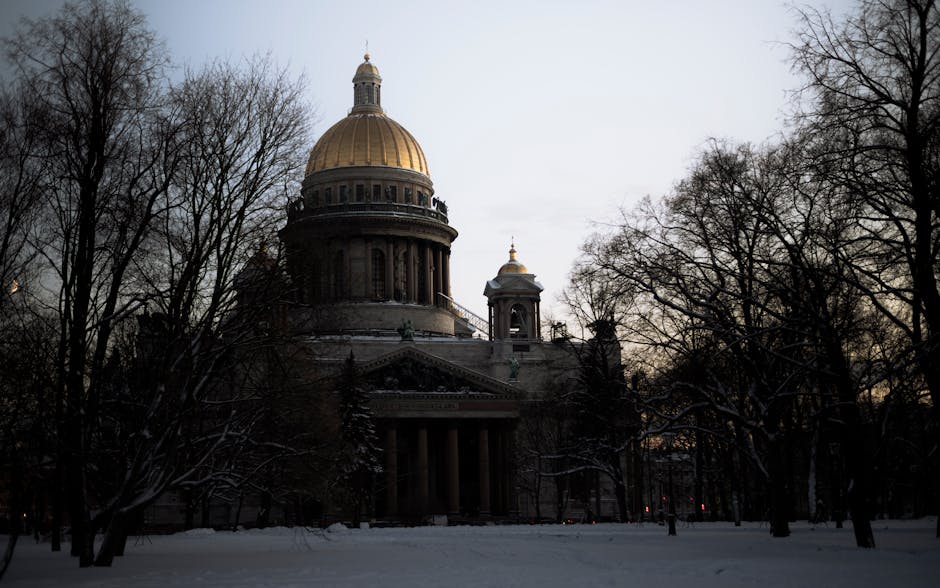
Visiting in winter: schedules, prices and itineraries adapted for the season
Visiting St. Petersburg in winter means adjusting your schedule to take advantage of heated museums, avoid the coldest hours and maximize photo opportunities. Below are major sites with addresses, typical hours and indicative prices in euros, plus suggested day-by-day routes.
1) State Hermitage Museum — Palace Square, 2, 190000 Saint Petersburg. Hours: closed Mondays, Tue–Sun 10:30–18:00 (some exhibitions open late on Thursdays until 21:00). Indicative price: standard ticket about €15–18; temporary exhibitions €5–10 extra. Buy online to avoid long queues. Tip: visit right at opening for quieter rooms and better indoor lighting for photography.
2) Peter and Paul Fortress — Petrovskaya Naberezhnaya, 3, 197046 Saint Petersburg. Hours: 10:00–18:00, closed the last Tuesday of the month. Indicative price: entry €7–10. The complex includes the cathedral, the city history museum and panoramic views of the Neva — ideal late afternoon when low winter light skims the quays.
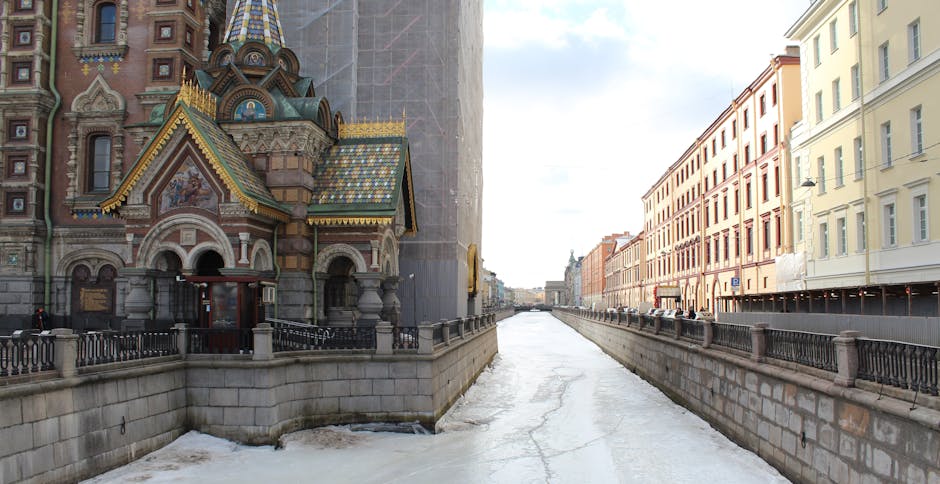
3) Church of the Savior on Spilled Blood — Griboyedov Canal Embankment, 2b, 191186 Saint Petersburg. Hours: 10:30–18:00, check before you go. Indicative price: €7–10. It’s highly photogenic even in the snow; arrive early to avoid crowds inside the colorful nave.
4) St. Isaac’s Cathedral — Isaakiyevskaya Square, 4, 190000 Saint Petersburg. Hours: 10:30–18:00; indicative price: €6–10 for the cathedral, extra for access to the colonnade viewpoint (around €8–12). From the colonnade, the winter view over the Neva and snow-covered roofs is spectacular at sunrise.
Suggested itinerary for a winter day of “culture + panoramas”:
- Morning: visit the Hermitage right at opening (Palace Square, 2). Grab a quick coffee at Café Gamayun (inside or nearby) before exploring.
- Lunch: stop at “Palkin” (Bolshaya Konyushennaya ul., 47, 191186) — refined Russian cuisine, mains €15–30; hours 12:00–23:00. Reservation recommended.
- Afternoon: walk to St. Isaac’s Cathedral (Isaakiyevskaya Square, 4), go up to the colonnade for low-angle winter light; then cross over to Peter and Paul Fortress for views of the Neva.
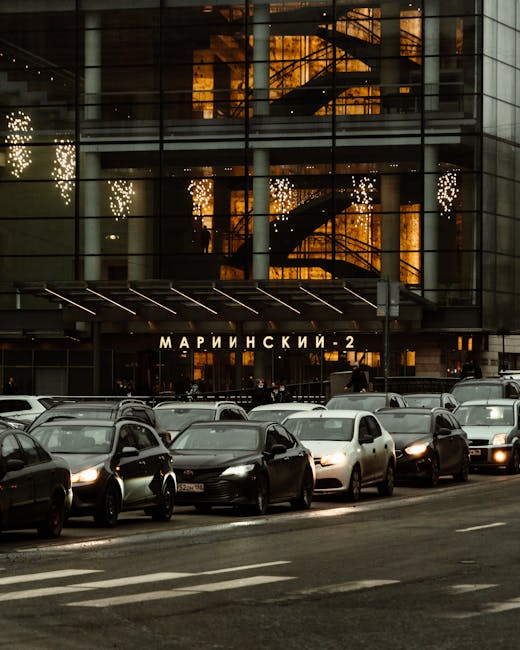
- Evening: take in a concert or performance at the Mariinsky Theatre (Teatralnaya Ploshchad, 1, 190000) — tickets range from €10 to several hundred depending on seating. Check the program in advance.
Logistics tip: allow extra time between visits because walking on icy sidewalks slows you down. Official taxis (Yandex.Taxi, Gett) are reliable; expect €5–15 for central journeys depending on distance and traffic. The metro is heated and very convenient: central stations like Admiralteyskaya (near Palace Square) are close to main sites; single metro tickets cost about €0.80–1.20 per trip depending on purchase method.
Where to gear up and warm up: cafés, spas, outdoor shops and practical services
After a chilly morning on the embankments or a long museum line, you’ll want heated places and services to fix, replace or top up your gear. Here’s a reliable selection with exact addresses, opening hours and useful notes.
Stores to complete or replace your equipment:
- Sportmaster, Nevsky Prospekt 46, 191025 Saint Petersburg — hours 10:00–21:00. Big store for warm clothing, gloves, hats and winter boots. Prices: entry-level items from €20–60.
- Decathlon, Ligovsky Prospekt 30, 191040 Saint Petersburg (Galeria Mall) — hours 10:00–22:00. Good for anti-slip insoles, gaiters and affordable waterproof jackets. Prices: insoles €10–25, jackets €40–120.
- O’Planeta Outdoor, Bolshaya Konyushennaya ulitsa 12, 191186 — hours 11:00–20:00. Technical gear for hikers and pro photographers: crampons, high-performance down jackets, dry backpacks. Prices: quality gear €80–300.
Cafés and restaurants to warm up:
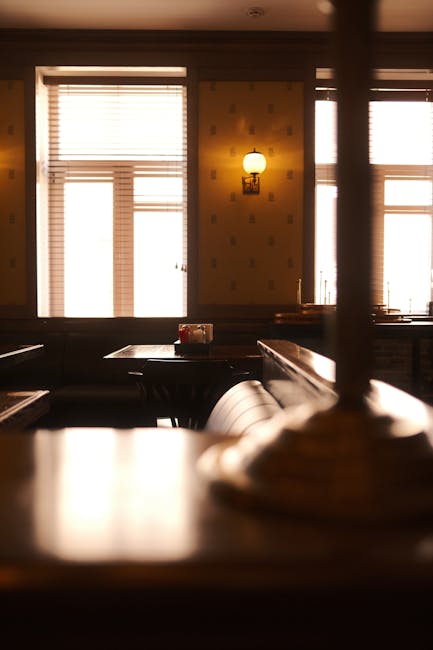
- Singer Café (Singer Café), Nevsky Prospekt 28, 191011 Saint Petersburg — located above the State Bookstore with a view over Nevsky Prospekt. Hours: 08:00–23:00. Hot drinks €2–6, light meals €6–15.
- Coffeemania, Bolshaya Morskaya 18, 190000 Saint Petersburg — a quality coffee shop to warm up between visits. Hours: 08:00–22:00. Cappuccino €3–5.
- Teplo (restaurant), Konnogvardeyskiy Bulvar 7, 191186 — cozy spot serving hearty Russian and international comfort food. Hours: 12:00–23:00. Mains €10–25.
Spas and baths to warm up after a cold day:
- Spa “Sanduny” (chain variants) — traditional bathhouse experiences are available across the city; one reference is Karlova Bath House, Kirochnaya Ulitsa 5, 191025 Saint Petersburg. Hours: vary (typically 10:00–22:00). Prices: public baths €10–30, private packages €30–100 depending on duration and services. A wonderful way to circulate warmth after a freezing day.
Practical services:
- Power and battery charges: look for “Svyaznoy” and “M.Video” electronics stores for power banks (around €15–50).
- Quick repairs (gloves, zippers): alteration workshops (“Atelier Remont Odezhdy”) are available in shopping centers like Galeria or Nevsky Centre. Cost: alterations €5–30 depending on complexity.
Local tip: many cafés offer strong heating and power outlets — perfect for recharging cameras and phones. In winter, always carry a dry bag and an insulated inner pouch for batteries; cold temperatures noticeably reduce battery life.
Practical local tips to enjoy winter: safety, photography and unique experiences
St. Petersburg residents have learned how to live with winter’s quirks. Here are concrete local tips to travel smart, stay safe and make the most of the winter atmosphere, including experiences not to miss.
Safety and mobility:
- Walk carefully: wear removable anti-slip soles (€10–25) or shoes with good traction. Avoid uncleared sidewalks and favor cleared roads and protected crossings.
- Transport: prefer the metro to buses when there’s ice — it’s heated and reliable. Single metro ticket: ~€0.80–1.20 (rates vary based on digital or paper purchase).
- Taxis: use official apps (Yandex.Taxi, Gett). Don’t get into unmarked cars. Expect €5–15 for central trips.
Photography in winter:
- Gear: bring spare batteries (cold reduces battery life), a microfiber cloth and a waterproof camera bag. Batteries cost around €15–30 each.
- Best light: sunrise and late afternoon give low, warm hues; the winter “blue hour” (between sunset and nightfall) is especially photogenic on the Neva and canals.
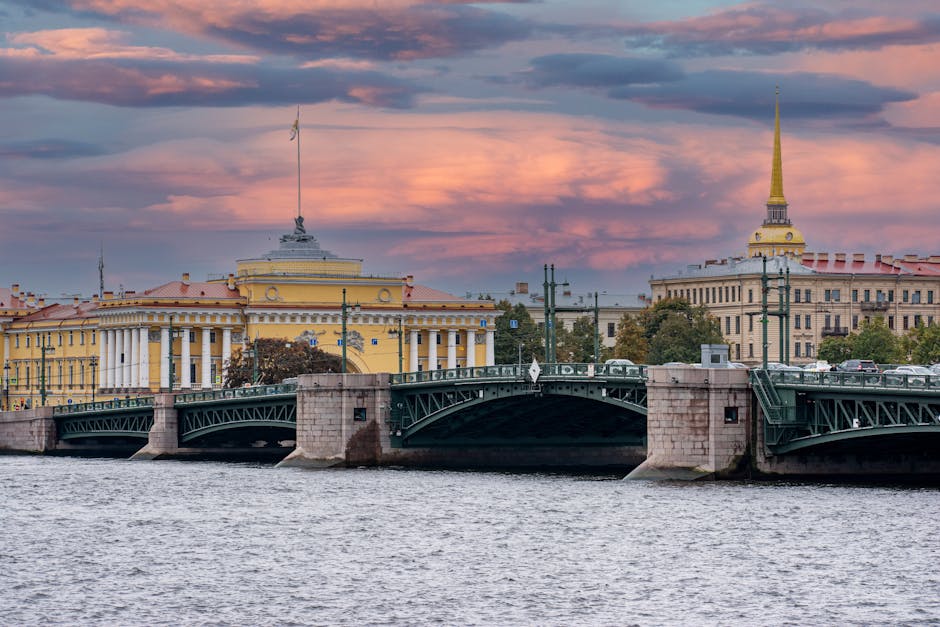
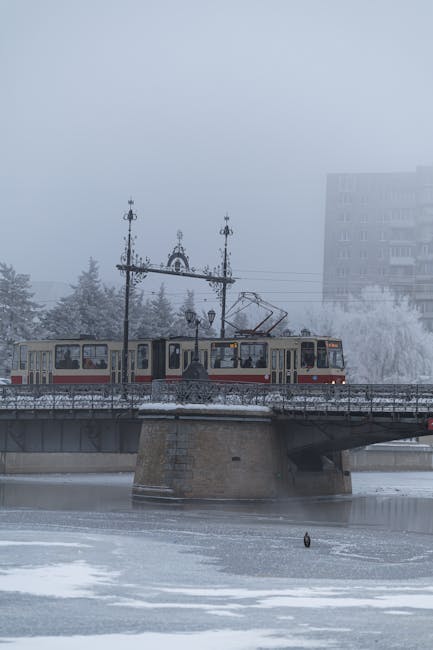
- Recommended spots: Palace Embankment for the Hermitage, St. Isaac’s colonnade for panoramas, Anichkov Bridge for statues and trams on Nevsky Prospekt.
Local experiences to try:
- Classical concert or ballet at the Mariinsky Theatre — Teatralnaya Ploshchad, 1, 190000 Saint Petersburg — to soak up the city’s heated cultural atmosphere; tickets from €10 and up depending on seat.
- Winter boat trip (if conditions allow) or a short heated cruise on the Neva — departures often near the Winter Palace; prices €10–30 depending on duration and comfort.
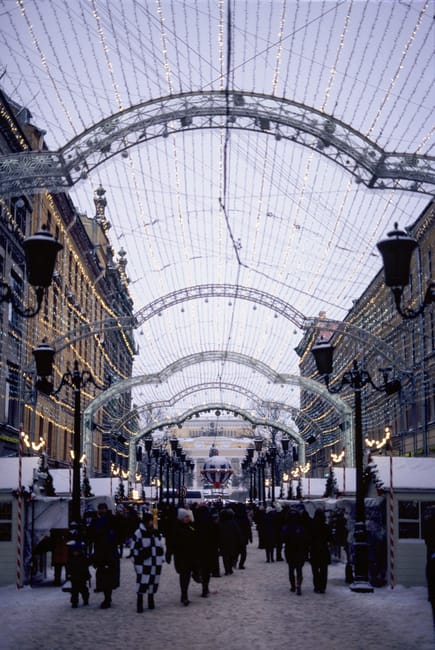
- Winter markets and festivals: depending on timing, you’ll find artisan stalls and mulled wine (Glühwein) near Nevsky Prospekt and Palace Square; hot drinks €2–6.
Local custom tip: if you’re invited to someone’s home, wait for the host to offer removing your shoes — many apartments provide house slippers. Bring a spare pair of socks for these moments.
Practical planning: budgets, timing and pre-departure checklist
Preparing a winter trip to St. Petersburg takes a bit of planning. Here’s a practical summary including an indicative budget, recommended schedule and a comprehensive checklist to leave with peace of mind.
Indicative budget for 5 days in winter (per person, excluding flights):
- Accommodation: 3*–4* hotel (central): €70–150 / night — €350–750 for 5 nights.
- Meals: €25–45 / day — €125–225 for 5 days.
- Local transport: metro and a few taxis: ~€30–50.
- Museum and show admissions: €50–150 depending on program (Hermitage, Mariinsky, etc.).
- Equipment and contingencies (purchase/rental): €40–200 depending on needs.
- Total estimate: €595–1375 for 5 days.
Recommended timing:
- Book Hermitage and Mariinsky tickets several weeks in advance during peak winter season (December, New Year period in January).
- Plan outdoor activities in the morning (light and temperatures are often steadier) and reserve afternoons for heated museum visits.
- Avoid scheduling very tight transfers between distant sites — give yourself 45–60 minutes to move around in winter.
Pre-departure checklist:
- Documents: passport, visa if required, photocopies and digital backups.
- Clothing: thermal layers, down jacket, waterproof parka, waterproof shoes, anti-slip insoles, hats, lined gloves, scarf.
- Electronics: two power banks, chargers, plug adapter (EU standard), waterproof camera cover.
- Misc: disposable hand warmers, personal medication, lip and skin protection cream, tissues, waterproof pouch for documents.
Be flexible. Winter in St. Petersburg can offer pristine snowy days and evenings when the drawbridges, lit globes and gilded façades feel even more magical. By preparing your gear, paying attention to the weather and following a few local habits, you’ll turn even the harshest winter days into an opportunity to discover a city of deep and unique charm.
Conclusion — Between Siberian cold and maritime mildness: gear up to fully enjoy the city
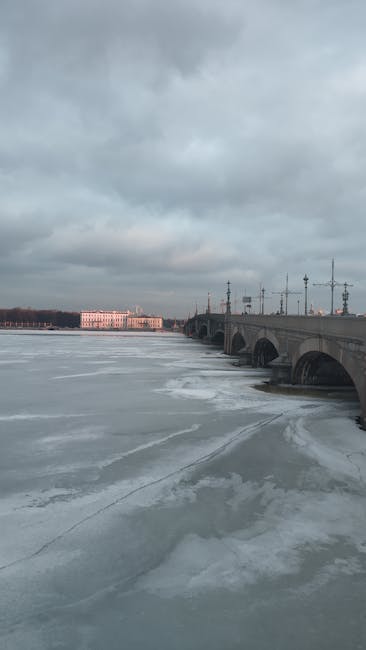
St. Petersburg in winter is a study in contrasts between imposing architecture and sometimes-unexpected climatic harshness. Whether you encounter a Siberian snap with biting temperatures or a milder, wetter season, the key is preparation: layered clothing, waterproof gear, anti-slip footwear and a visiting plan that favors heated spots (museums, cafés, concerts) when the thermometer bites. Northern cities are used to their climate; by adopting a few local habits — walking carefully, using the metro, stopping often to warm up — you’ll blend more easily into St. Petersburg’s rhythm.
This guide has given you practical information on major sites (Hermitage, Peter and Paul Fortress, Church of the Savior on Spilled Blood, St. Isaac’s), with addresses and typical opening hours, equipment suggestions with indicative prices in euros, and local spots to buy or rent gear. You now know where to find a cozy café — like Singer Café on Nevsky Prospekt — and stores like Sportmaster or Decathlon to top up your winter wardrobe. Traditional spas and baths offer an authentic Russian way to warm up after a cold day.
In short: anticipate, adapt and enjoy. Check the weather daily, bring spare batteries for your devices, book major visits in advance and don’t underestimate small accessories (extra socks, spare gloves, hand warmers). Above all, let yourself be surprised by St. Petersburg’s winter magic — gilded façades under snow, frozen canals, illuminated bridges and the hushed atmosphere of cafés and theaters make every winter visit unforgettable. Safe travels — may you stay warm when you need to, and be amazed when the city reveals itself under its winter mantle.