





Introduction — Spring in Saint Petersburg: vibe, weather challenges and how to prepare
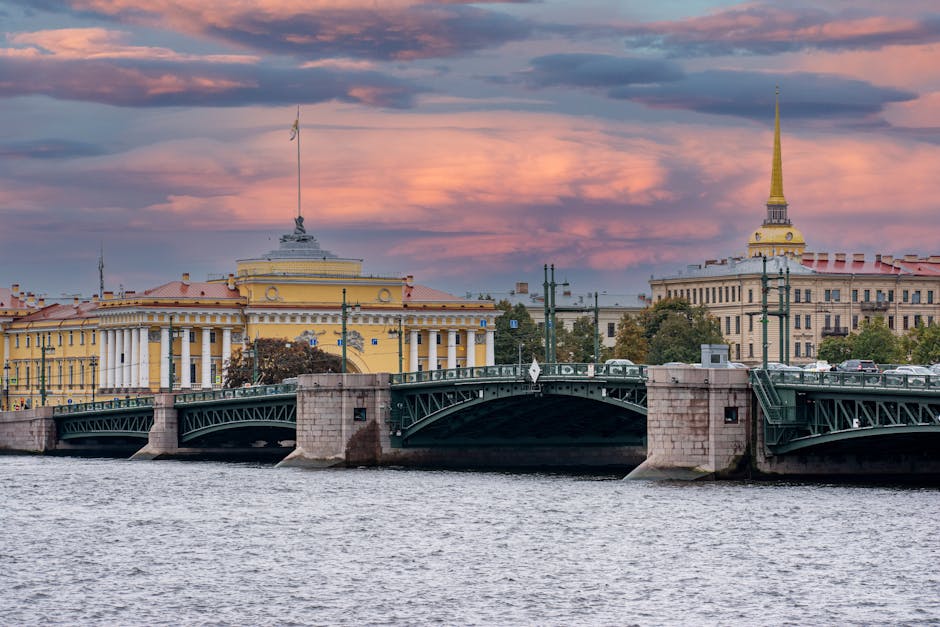
Spring in Saint Petersburg is a striking season of transition, when the city seems to awaken after long winter months. As the snow melts and frees the Neva’s quays, as daylight stretches slowly and the first timid leaves appear, you get a unique mix of moods: cool mornings, mild afternoons and evenings when the wind off the Gulf of Finland is a reminder that the Baltic is never far away. For travelers, understanding spring’s specific weather patterns and packing accordingly is essential to fully enjoy the cultural and architectural riches of the Venice of the North.
Saint Petersburg is a city of contrasts. Historic palaces and cathedrals, like the State Hermitage Museum and Saint Isaac’s Cathedral, still carry winter’s traces on their façades, while cafés and terraces reopen to welcome locals and tourists eager for the first sun. Spring is far from uniform: some days feel almost summery, while late cold snaps and even snow can return. Precipitation is generally more frequent in spring than in summer, often as light rain or drizzle, which makes the quays and cobbled historic streets slippery and glossy in the light.
This practical guide aims to be hands-on: it lays out average temperatures and typical precipitation, details the most useful clothing and accessories, and gives exact addresses, opening hours and indicative prices in euros for major sites. Local tips include advice on getting around, choosing accommodation by wind exposure, and avoiding queues at main attractions. Whether you’re planning a cultural weekend or a longer stay, how you pack will heavily influence your day‑to‑day comfort. At the end of the article you’ll find a recommended itinerary and practical tips to make the most of the overlapping seasons of late winter and early spring.
The sections that follow go into detail about temperature patterns and their springtime variations, the impact of rain on your visits, a precise packing list tailored to typical activities (Neva cruises, walks along Nevsky Prospekt, visits to Peterhof gardens), plus practical recommendations including addresses, opening hours and prices in euros for key sites. This guide is aimed at independent travelers, families and business visitors who want to explore the city outside the height of summer heat.
Spring climate and temperatures: trends, averages and daily swings
Spring in Saint Petersburg roughly runs from March to May and breaks down into three distinct sub‑periods that strongly affect what you should pack:
- Early spring (March): temperatures are still low. Days often range from about -5 °C in the morning to around 3 °C in the afternoon. Snow is common in early March and can linger in patches. Cold winds from the Gulf of Finland make it feel even chillier.
- Mid spring (April): a clear transition. Average temperatures move closer to 2–10 °C. Days can be pleasant but unpredictable: morning frost and afternoon rain are common.
- Late spring (May): usually the mildest period, with averages of 7–15 °C. Vegetation really starts to return—parks like the Summer Garden come back to life and terraces reopen.
Temperatures vary a lot by time of day and exposure: a stroll along the Neva will feel cooler than a visit inside the State Hermitage Museum (Palace Square, 2, Saint Petersburg 190000). Locals know the weather can change multiple times in one day, so layering is recommended to stay comfortable. A windproof, waterproof jacket, a warm sweater and a scarf are spring essentials.
Also factor in morning fog and drizzle, especially in March–April: humidity increases the feeling of cold. In museums and theaters the heating is often still on, so interiors can feel very warm after a chilly walk outside. Nights remain cool until mid‑May, and it’s not uncommon to need a lightweight down jacket or a wool coat for late‑night outings.
As for activity planning, the spring climate determines the gradual opening of outdoor sites. For example, the Peterhof complex (Peterhof State Museum‑Reserve, Petrodvortsovy District, Petergof, Saint Petersburg 198516) usually starts its main fountain season at the end of April or early May depending on the weather—this is often the most photogenic but also the busiest period. It’s useful to follow local weather bulletins and official site pages to adjust your visits.
Precipitation, hazards and how rain affects your visits
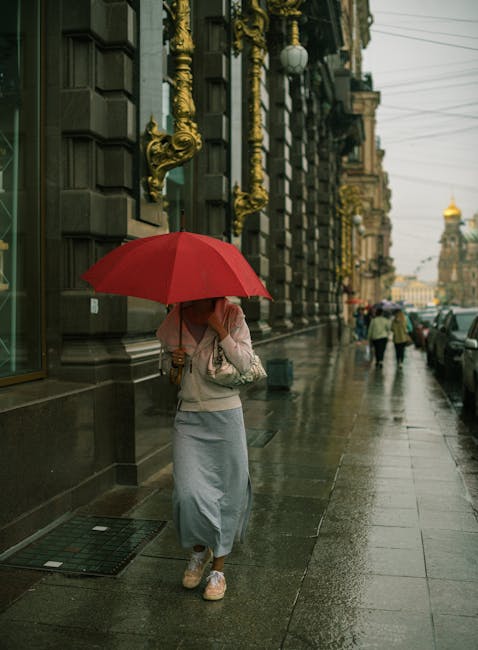
In spring, Saint Petersburg receives moderate but regular precipitation, often as light rain, drizzle or quick showers. March can still bring melting snow; April and May see more rain than the summer season. Rain is particularly problematic for exploring cobbled historic streets, visiting gardens or taking boat trips.
Places to consider when it rains:
- Museums: The State Hermitage Museum (Palace Square, 2 — tickets from €15 for standard entry, indicative opening hours: Tuesday, Thursday, Saturday, Sunday 10:30–18:00; Wednesday and Friday 10:30–21:00; closed Monday) is an excellent place to shelter for several hours. Its vast heated rooms and indoor cafés offer comfortable refuge.
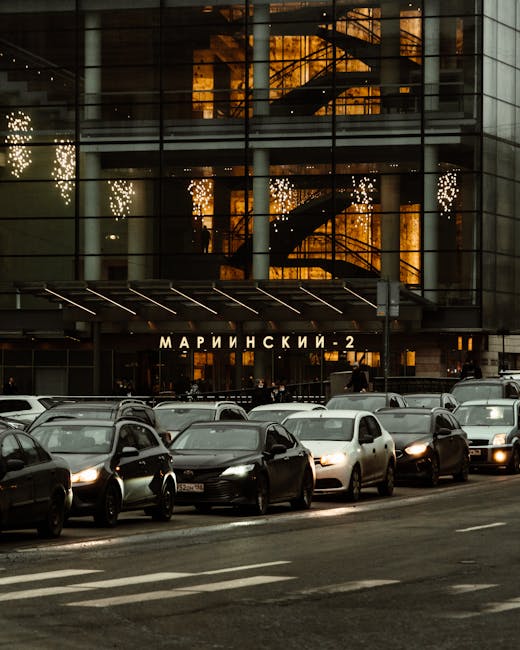
- Theaters: The Mariinsky Theatre (Theatre Square, 1, Saint Petersburg 190000) offers ballet and opera; seats start around €10 for the more distant places, and performances are an elegant way to spend a rainy evening. The box office opens according to season and program—check the official site for schedules.
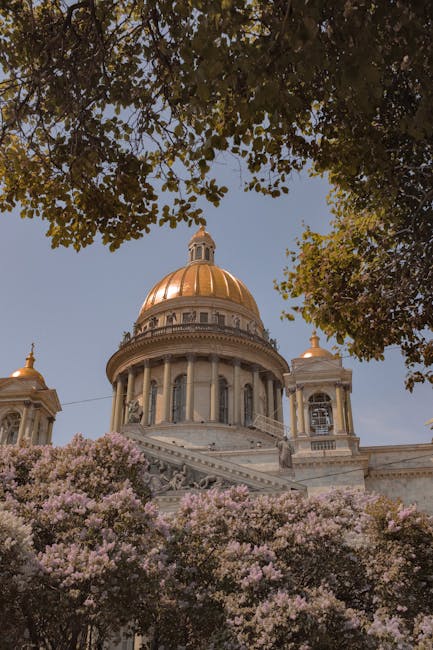
- Churches and cathedrals: Saint Isaac’s Cathedral (Saint Isaac’s Square, 4) and the Church of the Savior on Spilled Blood (Griboedov Canal Embankment, 2B) have richly decorated, heated interiors, perfect for sheltering from a spring downpour.
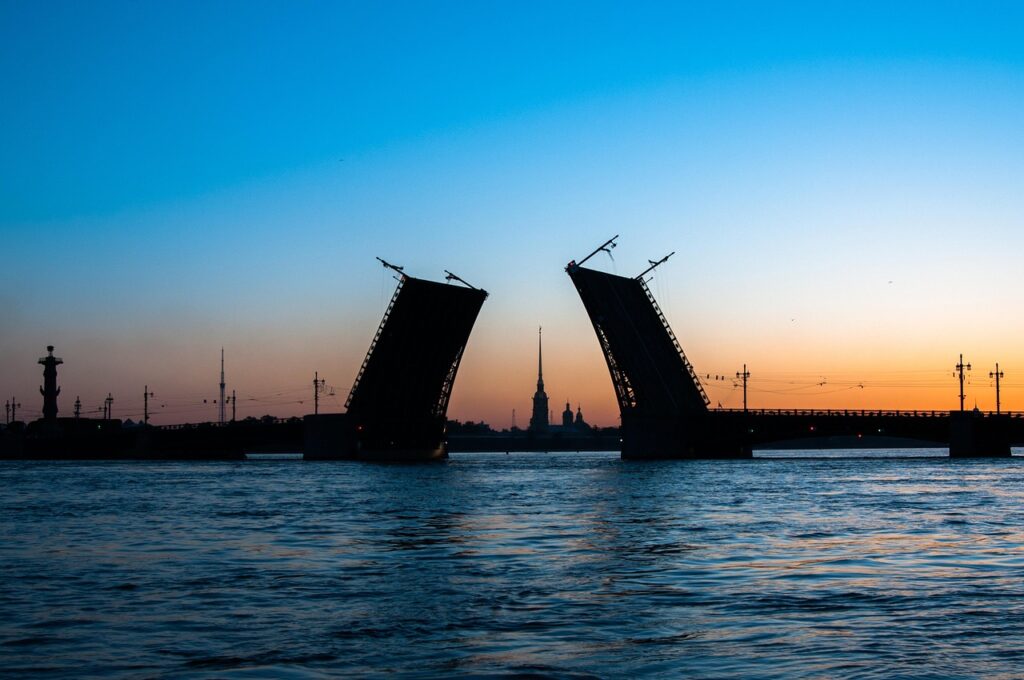
For a Neva boat tour, keep in mind that many companies start regular services in April but trips can be canceled in very windy or rainy conditions. One- to two-hour cruises typically cost between €10 and €30 depending on the company and route (drawbridges, panorama cruises, etc.). Many operators offer covered boats or cabins on main lines, so you can enjoy the views while staying dry.
Outdoors, favor waterproof shoes with non-slip soles: wet cobbles get slippery and sidewalks can be uneven. A compact umbrella is handy, but gusty winds can invert it—so a waterproof poncho or a windproof hooded jacket is often more practical. Also bring a dry bag or protective cover for your camera and documents if you plan to photograph bridges and the Neva’s banks.
What to pack: clothing, accessories and recommended gear
Packing for spring in Saint Petersburg requires strategy. The safest approach is to pack layers you can add or remove as temperatures and humidity change. Here’s a detailed, reasoned list of items to bring:
- Base layers: long‑ and short‑sleeve T‑shirts in cotton or breathable fabrics (2–4 pieces). These serve as a base and help avoid overheating in heated museums.
- Mid layers: lightweight sweaters in merino wool or fleece (1–2 items). They insulate without taking up much space and dry quickly if slightly damp.
- Outer jacket: a windproof, waterproof shell with a hood. Essential against light rain and river wind.
- Warm coat: for cold mornings and evenings in March–April, a lightweight down jacket or wool coat is recommended.
- Footwear: a pair of waterproof walking shoes with non‑slip soles for cobbles, plus a more comfortable closed pair for evenings and museum visits.
- Accessories: scarf, thin beanie, light gloves (useful in early/late spring), compact umbrella or rain poncho, and a dry bag for electronics.
- Photo and electronic gear: waterproof cover, spare batteries (cold reduces battery life), type C/F adapter (European plug), and a power bank.
- Comfort items: moisturizer (wind and heating dry the skin), lip balm, basic meds (pain reliever, antidiarrheal), tissues and wet wipes.
- Documents: photocopies of your passport, printed itineraries, and a Troika card for transport (expect about €1 to buy the card + €1–1.5 per ride depending on local fares, top‑ups available at stations).
For specific visits, note these extra suggestions: at the State Hermitage Museum (Palace Square, 2), cloakrooms (free or paid) are available—handy for stashing bulky coats and umbrellas. For a day at Peterhof (Peterhof State Museum‑Reserve, Petergof), pack a spare pair of shoes if you plan to walk in wet gardens and photograph cascades and fountains. For a Mariinsky Theatre performance (Theatre Square, 1), smart‑casual is acceptable; for gala performances, consider a jacket or dressier outfit.
Seasonal adjustments: in March emphasize warm layers and gloves; in May favor lighter layers and a waterproof jacket. To save space, use compression packing and bring multifunctional items (a scarf that can double as a light blanket on a train or boat).

Practical tips, suggested itineraries and useful addresses
To make the most of spring, follow an itinerary that mixes indoor and outdoor activities, taking opening hours and weather into account. Here’s a flexible three‑day suggestion with addresses, opening hours and indicative prices in euros:
Day 1 — Historic center and museums
- Morning: visit the State Hermitage Museum (Palace Square, 2, Saint Petersburg 190000). Hours: Tuesday, Thursday, Saturday, Sunday 10:30–18:00; Wednesday and Friday 10:30–21:00; closed Monday. Indicative price: €15–20 for a standard ticket, guided tours from €30.
- Lunch: museum café or restaurants on Nevsky Prospekt (Nevsky Prospect, main thoroughfare). Budget: €10–25 per person depending on choice.
- Afternoon: Saint Isaac’s Cathedral (Saint Isaac’s Square, 4). Hours: generally 10:30–18:00, fee: €5–8 for entry, with an additional €3–5 for the panoramic dome.
Day 2 — Strolls and performances
- Morning: walk along Nevsky Prospekt to the Griboyedov Canal and visit the Church of the Savior on Spilled Blood (Griboedov Canal Embankment, 2B). Hours: 10:30–18:00, fee: €4–7.
- Evening: performance at the Mariinsky Theatre (Theatre Square, 1). Tickets: from €10 for distant seats; reservations recommended via the official site or local box offices.
Day 3 — Outdoor excursion
- Day: day trip to Peterhof (Petrodvortsovy District, Petergof). Garden hours: vary by season; major fountain openings occur in April/May. Combined palace + gardens fee: €20–30 depending on circuit. Take the hydrofoil or train from the Neva quay for a scenic trip.
- Alternative: indoor visit to Catherine Palace in Tsarskoe Selo (Pushkin) — address: 7 Sadovaya Street, Pushkin, Saint Petersburg — hours and prices vary, tickets around €10–15.
Useful addresses and transport:
- State Hermitage Museum — Palace Square, 2, Saint Petersburg 190000 — fees: €15–20 — hours: see above.
- Mariinsky Theatre — Theatre Square, 1, Saint Petersburg 190000 — tickets: €10–100 depending on performance — box office online and on site.
- Peterhof (Peterhof State Museum‑Reserve) — Petrodvortsovy District, Petergof, Saint Petersburg 198516 — gardens + palace fees: €20–30 — hours vary in spring.
- Saint Isaac’s Cathedral — Saint Isaac’s Square, 4 — entry: €5–8.
- Church of the Savior on Spilled Blood — Griboedov Canal Embankment, 2B — entry: €4–7.
- Troika card (public transport) — available at metro stations — card cost: ~€1; single ride: ~€1–1.5; offers savings and convenience.
Local tips:
- Shoot photos in the mornings to catch façades in the sun and avoid afternoon drizzle.
- Buy tickets online for the Hermitage and Mariinsky performances when possible to skip lines.
- Carry some cash as well as a bank card: some small cafés accept cash only.
- Respect dress codes in certain religious sites (shoulders covered, no shorts for church entry).
Conclusion — Make the most of your spring stay in Saint Petersburg
Spring in Saint Petersburg is an ideal time for travelers who want to discover the city without the summer crowds while enjoying a lively, changeable atmosphere. Between March and May you’ll experience a series of micro‑seasons: the last shivers of winter, the slow return of greenery and eventually truly springlike days. This variability requires a bit of preparation—pack layers, waterproof clothing and shoes suitable for wet cobbles—but it pays off with unique views, less crowded museums and the gradual awakening of gardens and fountains.
Practically speaking, always check opening hours and prices before visiting: sites like the State Hermitage Museum (Palace Square, 2), the Mariinsky Theatre (Theatre Square, 1), Peterhof (Petrodvortsovy District, Petergof) and Saint Isaac’s Cathedral (Saint Isaac’s Square, 4) sometimes adjust openings for events or weather. Prefer online purchases when possible, and consider a Troika card to make getting around easier. Finally, include indoor options (museums, theaters, cafés) in your plan in case of showers, and reserve time for walks along the canals and in parks when the sun is out.
Spring in Saint Petersburg rewards observation and flexibility: accept a few showers, bring the right gear, and you’ll be rewarded with photogenic scenes, glistening wet alleys and rich cultural spaces. Whether you come for art, architecture, music or simply the atmosphere, packing well and planning your itinerary will maximize comfort and enjoyment. Have a great trip and enjoy Russia’s cultural capital at the dawn of the beautiful season.