





Introduction — Understanding St. Petersburg’s climate and packing smart
St. Petersburg, perched on the Baltic Sea, is a city where the weather shapes as much of the travel experience as the architecture and daily life. Founded by Peter the Great on a delta, the city endures long, cold winters, mild but sometimes unpredictable summers, and stretches of dramatic light like the White Nights in June. Visiting here requires more than glancing at the forecast: you need to understand month-by-month trends to pick the right activities, book indoor or outdoor tours accordingly, and—most importantly—decide what to pack.
In this detailed guide, we’ll walk through St. Petersburg’s weather month by month and give precise recommendations on clothing, gear and accessories for each period. We’ll also include practical, immersive information about key sights—their exact addresses, opening hours and entry fees in euros—to help you plan your days around the weather. Whether you want to explore the State Hermitage Museum, stroll along Nevsky Prospekt, admire the fountains at Peterhof or photograph the Church of the Savior on Spilled Blood, this guide will help you balance comfort and sightseeing.
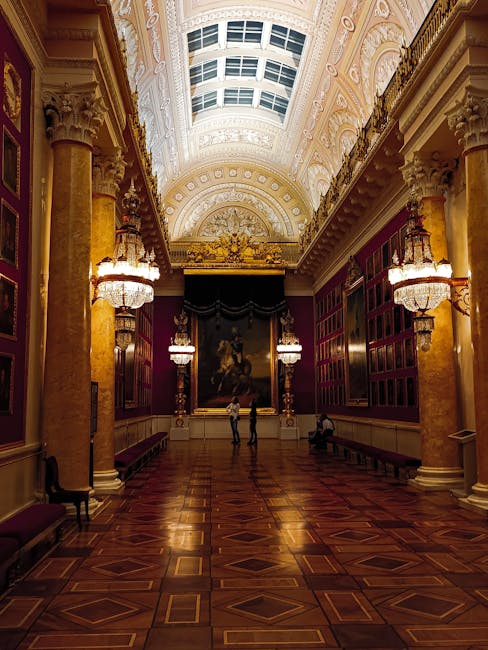
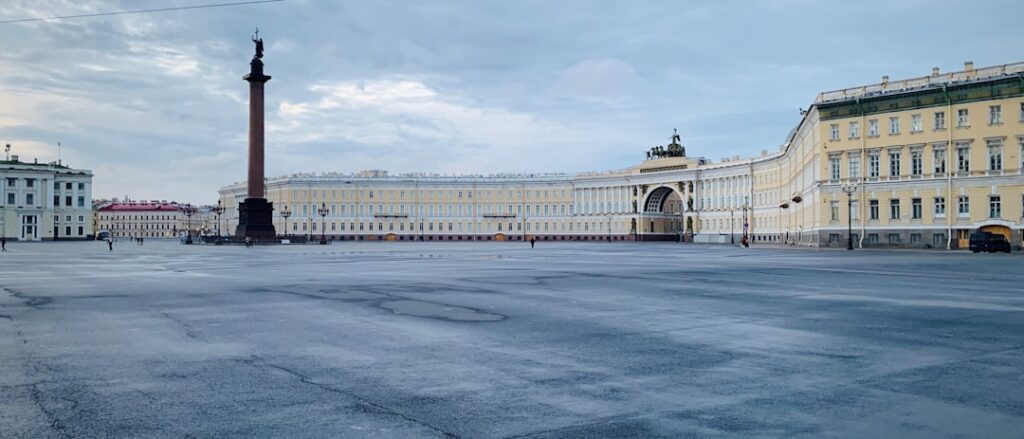
St. Petersburg is also a city of magnificent interiors: palaces, museums and cathedrals offer warm refuges when rain or wind roll in. For example, the State Hermitage Museum — Palace Square 2, St. Petersburg 190000 — is open from 10:30 to 18:00 Tuesday through Sunday (late opening on Wednesday until 21:00, closed Monday); adult tickets are around €15 (indicative). These reference points will let you alternate indoor visits and outdoor walks depending on the day’s mood.
Throughout the article you’ll also find local tips: where to buy a waterproof hat, how to pick shoes for Nevsky Prospekt’s wet cobbles, and how to take advantage of long daylight hours or protect yourself from polar cold. We’ll list exact addresses, approximate prices in euros for entry fees and common services, and practical advice to optimize comfort and budget. Follow this month-by-month guide to pack appropriately and avoid weather-related surprises in St. Petersburg.
Month by month: January, February, March — Deep winter and must-have gear
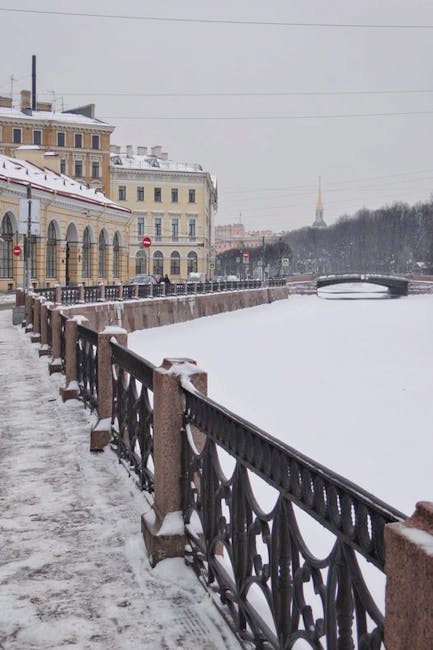
January and February are St. Petersburg’s coldest months. Average temperatures often range from -7 °C to -1 °C, with occasional dips during Arctic cold snaps. Streets are snow-covered and the Neva can steam in the early morning—a dramatic sight that requires preparation. In March temperatures slowly begin to climb, but snow and frozen ground remain common, sometimes with a biting wind from the Baltic Sea.
Weather and atmosphere
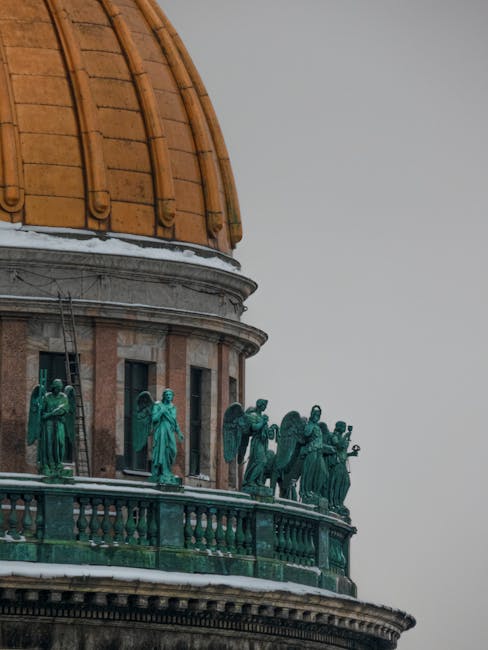
Mornings are freezing, humidity amplifies the cold, and daylight hours increase gradually (in January there are only about 7–8 hours of light). Indoor attractions are favored: the State Hermitage Museum (Palace Square, 2 — ticket ≈ €15, see hours above), St. Isaac’s Cathedral (St Isaac’s Square, 4, 190000 — access to the cathedral and colonnade ≈ €10; typical hours 10:30–18:00, variable), and the Church of the Savior on Spilled Blood (Griboyedov Canal Embankment, 2b — ticket ≈ €10, 10:30–18:00).
What to pack
- Heavy winter coat: down jacket or insulated parka (down or synthetic) — essential for spending extended time outdoors.
- Thermal base layers: thermal tops and bottoms for the coldest days.
- Hat, lined gloves and scarf: choose waterproof, lined gloves so you can handle your camera or phone in freezing conditions.
- Waterproof, non-slip footwear: boots with grippy soles to avoid slipping on ice and wet cobbles.
- Moisturizer and lip balm: dry, cold air dehydrates skin.
- Luggage straps or protective covers: useful if you plan hikes outside the city (rare for most visitors).
Local tips: prefer public transport (St. Petersburg metro — main stations: Admiralteyskaya, Nevsky Prospekt) to avoid long walks on icy sidewalks. Covered markets like Kuznechny Market (Kuznechny Pereulok 17) are good for buying gloves or hats at reasonable prices (€5–€20 depending on quality).
Month by month: April, May — Spring transition and changeable weather
April and May are the transition from winter to summer. April can be very variable: a few warm, sunny days but also returns of snow or cold rain. May gradually warms up, with averages between about 6 °C and 15 °C. Parks begin to green up, Neva river cruises resume, and Peterhof’s fountains are readied for the season.
Weather and atmosphere
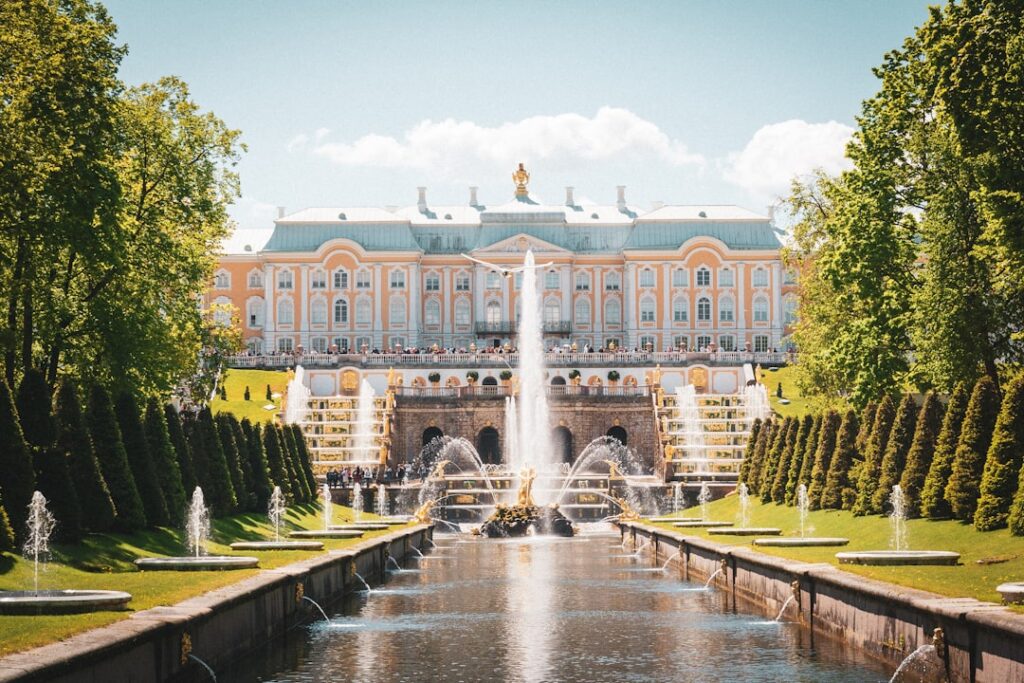
In April the city is often muddy from melting snow. Evenings stay cool. In May vegetation returns, terrace cafés reopen, and the light gets softer. May days are often pleasant for long walks and garden visits: Peterhof State Museum-Reserve (Petrodvorets, Petrodvortsovaya Street, generally listed as Peterhof, 198516 — Grand Palace tickets ≈ €20, parks are free but museum access is paid; hours vary by season, generally 9:30–18:00) starts receiving larger numbers of visitors.
What to pack
- Waterproof, windproof jacket: useful for April showers and winds near the sea.
- Layering pieces: T-shirts, lightweight sweaters and a cardigan — for adjusting to changing temperatures.
- Closed but breathable shoes: good for mud and early terrace outings.
- Compact umbrella: for quick showers, especially in April.
- Adapters and a power bank: you’ll likely spend more time out and about, and a small external battery is handy.
Local tips: in May enjoy strolls along Nevsky Prospekt (Nevsky Prospekt, central artery) and stop by Kuznechny Market or the Eliseyev Emporium (Nevsky Prospekt, 56 — historic indoor market, hours 09:00–23:00 depending on the shops) to sample local products before heading indoors. Boat tour prices on the Neva generally range from €8 to €20 depending on duration (1–3 hours); book ahead for weekends.
Month by month: June, July, August — Summer, long days and Baltic whims
Summer months in St. Petersburg are famous for incredible light, especially during the White Nights (roughly late May to mid-July), when the sun barely sets. June, July and August have pleasant average temperatures, from about 15 °C to 25 °C, though there can be hotter or stormy days. This is peak tourist season: museums and landmarks like the Hermitage (State Hermitage Museum — Palace Square, 2 — ticket ≈ €15, extended opening hours in high season) often have long queues.
Weather and atmosphere
Days are long, encouraging late visits: many museums offer evening openings, and nightlife under the White Nights’ glow is special. Parks and embankments are busy, Neva cruises run frequently, and the gardens at Peterhof and Tsarskoye Selo (Pushkin, 7 Sadovaya Street, Tsarskoye Selo — palace tickets ≈ €12–20 depending on the monument) are at their best.
What to pack
- Lightweight clothing: T-shirts, shorts or light trousers for warm days.
- Light jacket or sweater: for cool evenings and windy boat trips.
- Comfortable walking shoes: breathable, closed shoes suitable for museums and city walking.
- Sunscreen, sunglasses and a hat: the sun reflecting off the water can be intense during long days.
- Book tickets in advance: consider online tickets for the Hermitage (≈ €15) and Peterhof (≈ €20 for the Grand Palace) to skip long lines.
Local tips: avoid scheduling outdoor visits during afternoon thunderstorms; start early to catch the best morning light. Cafés along Nevsky Prospekt and the Fontanka embankment are popular: an espresso costs about €2–3, a simple lunch €8–15. If you want to experience the White Nights, book accommodation well in advance—prices surge in June–July.

Month by month: September, October, November — Autumn, rain and golden hues
Autumn in St. Petersburg is charming but wet. September still offers mild days (15–18 °C) and good sunshine; October brings cool evenings and golden foliage, while November often turns gray, rainy and windy, signaling winter’s approach. It’s a great season for photographers but it calls for a versatile wardrobe.
Weather and atmosphere
September is often dry and bright—perfect for visiting Catherine Park and its gardens at Tsarskoye Selo (Pushkin) or cycling along the canals. In October, rain increases and winds pick up along the embankments, and daylight hours shorten quickly. November can be gloomy, but museums get less crowded, making it a perfect time for quiet visits to the Hermitage or the Russian Museum (Russian Museum, Inzhenernaya Street 4, tickets ≈ €8–12, hours 10:00–18:00, closed Wednesdays—check before you go).
What to pack
- Waterproof windbreaker: essential for October and November showers.
- Warm layers: sweaters and vests for building outfits according to daily changes.
- Water-resistant shoes: mud and puddles are common underfoot.
- Sturdy umbrella: better than a flimsy raincoat when winds are strong.
- Thick scarf: useful against wind on the embankments and ferry crossings.
Local tips: take advantage of lower prices outside peak season and quieter museums. Cafés like Cafe Singer (Nevsky Prospekt, 28 — popular for its view over the avenue, coffee ≈ €2–4) are cozy stopovers between showers. If you plan to visit Peterhof in September, check the fountain schedules (they have seasonal opening/closing dates and varying ticket prices, ≈ €20 for full access during the season).

Year-round packing tips and local practicalities
Beyond the season-specific lists, a few essentials apply any time of year for a smooth stay in St. Petersburg:
- European power adapter (Type C/F): outlets are standard in Russia—bring an adapter for any device.
- Metro cards and transit apps: download a local app or Google Maps to plan journeys; a metro trip costs about €0.70–1.00.
- Money advice: many places accept cards, but keep cash for markets and small purchases (exchanging euros/roubles is possible at official exchange offices).
- Travel insurance: health and baggage coverage is strongly recommended given variable weather and potential transport delays.
- Waterproof bags for camera gear: very useful in case of sudden rain or melting snow.
Local tip: for quick shopping of clothing and accessories, head to the Galeria shopping mall (Nevsky Prospekt 71) or the local Gostiny Dvor (Nevsky Prospekt, 35 — large shopping arcade) where you’ll find a wide range of coats, boots and umbrellas. Prices vary widely: a decent umbrella costs €10–25, lined gloves €8–30, and a basic down jacket €60–200 depending on the brand.

Conclusion — Pack by the month and enjoy to the fullest
St. Petersburg is a city with many faces, shaped by distinct weather from month to month. Winter offers a frosty wonderland and warm indoor havens in palaces and museums; spring is unpredictable but promises blooming days; summer brings long days and unforgettable White Nights; autumn delivers stunning colors and a cozier atmosphere. Each season requires different packing: a heavy coat, non-slip shoes and moisturizers for winter; versatile layers, a waterproof jacket and an umbrella for the shoulder seasons; light clothes, sun protection and advance bookings for summer; and a windproof jacket plus water-resistant shoes for autumn.
Always plan for layers, waterproof accessories and comfortable shoes—those are the three constants for handling St. Petersburg’s weather comfortably. Also think about scheduling and visit planning: in winter favor museums in the morning and short afternoon walks; in summer buy skip-the-line tickets for the Hermitage (Palace Square, 2 — ≈ €15) and Peterhof (Petrodvorets — Grand Palace ≈ €20) and enjoy long evenings by the embankments.
Finally, follow local tips: buy warm accessories at central markets, use the metro to avoid icy sidewalks, and tailor activities to the day’s weather. St. Petersburg rewards flexibility: whatever the month, the city offers memorable experiences—from the gilded interiors of the Hermitage to the canal reflections under the White Nights. Pack according to the recommendations above, and you’ll be ready to savor every season of this cultural capital on the Baltic.